Rwanda’s Minister of National Unity and Civic Engagement, Dr Jean Damascène Bizimana, has urged inmates convicted of crimes related to the 1994 Genocide against the Tutsi to embrace unity, reject genocide ideology and avoid reoffending as they prepare to return to their communities.
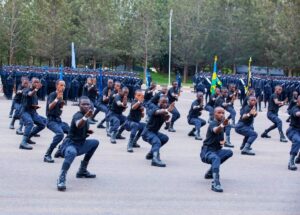
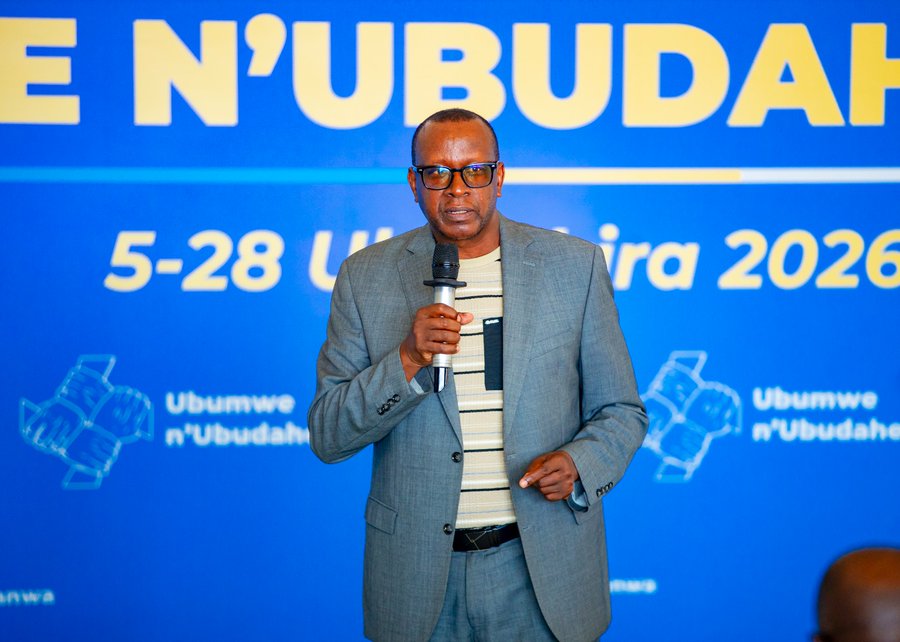
He made the remarks on October 28, 2026, while closing the 10th cohort of unity and resilience training at Nyamasheke Correctional Facility, attended by 533 inmates expected to complete their sentences by December 31, 2026.
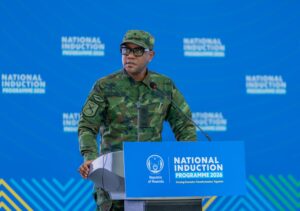
Addressing the inmates, Bizimana reflected on the history of the Genocide against the Tutsi and the devastating consequences of the crimes committed. He also highlighted the role of leadership in guiding a country towards peace and development.
“If you had not committed genocide, the word ‘genocide’ would not have been used in Rwanda. If you had had leadership like the one we have today, you would not have plunged into mass killings,” he said.
He urged the inmates to rebuild their relationships with fellow Rwandans, abandon ethnic discrimination and adopt behaviour that would help them reintegrate into society.
“Go and live peacefully with other Rwandans. Do not carry shame with you, as we used to see before these training programmes were introduced. Promote unity and resilience, reject discrimination, and let none of you be found reoffending,” he said.
The training programme is designed to help inmates rebuild their place in society, develop positive relationships, strengthen their commitment to the country and contribute to national unity and resilience while rejecting genocide ideology and repeat offending.
Family members, including wives and children of inmates, also attended the event to prepare for the return of their relatives and support their reintegration into family and community life after imprisonment.
Mugiraneza Théophile, speaking on behalf of children whose fathers were preparing for release, said they were ready to welcome them home and help them adjust to family life, which had changed during their imprisonment.
He said the children hoped their fathers would return as genuinely changed people, free from genocide ideology and willing to avoid excessive alcohol consumption and other behaviours that could harm family relationships.
Following the training, some inmates were released after completing their sentences.