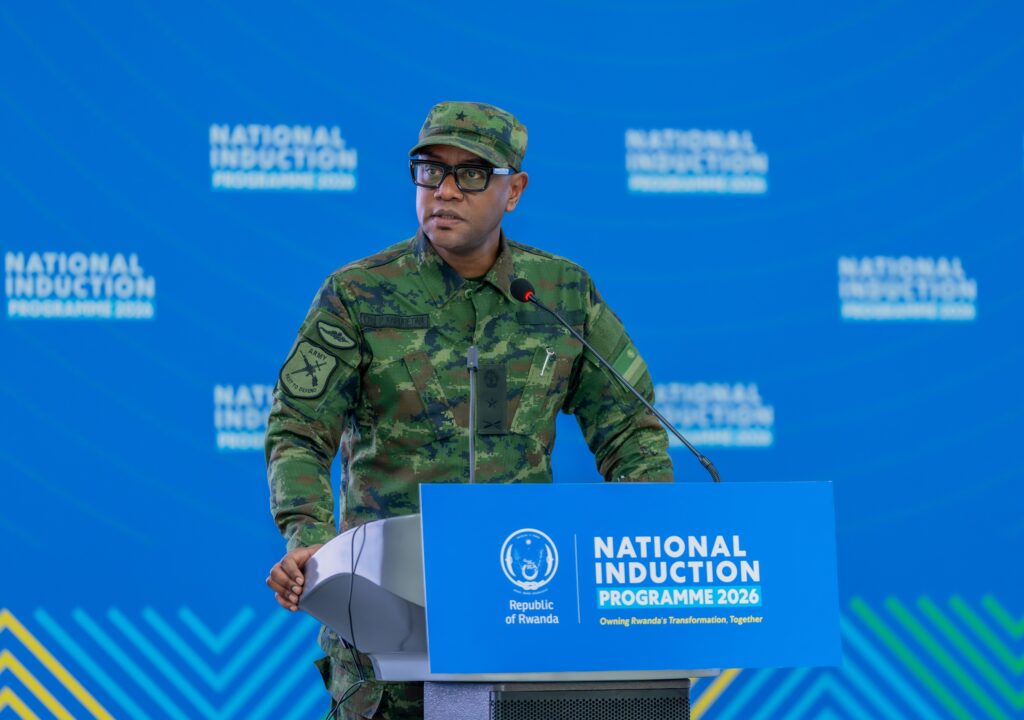
Brig Gen Patrick Karuretwa has urged Rwanda’s public servants to align their daily responsibilities with national development priorities and ensure their work translates into tangible improvements in citizens’ lives.
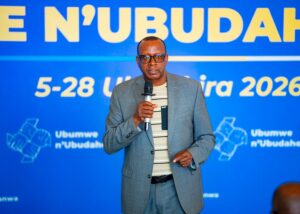
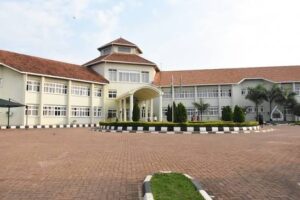
Karuretwa, spokesperson for the Rwanda Defence Force (RDF) and Director General for International Military Cooperation at the Ministry of Defence, made the call on October 28, 2026, during the National Induction Programme at the Gabiro Military Training Centre in Gatsibo District.
The programme aims to strengthen coordination among public servants, promote accountability and improve service delivery by putting citizens at the centre of government operations.
Speaking to participants in the first cohort, Karuretwa emphasised that government institutions play a critical role in turning Rwanda’s long-term development ambitions into practical results.
“Government institutions are the means through which a vision is turned into reality. Without them, Vision 2050 would be a beautiful document kept in a cupboard,” he said.
His presentation, titled “From National Vision to Responsibility for Citizens’ Development,” focused on how public servants can translate national priorities into concrete actions that improve public services and support sustainable development.
Karuretwa explained that Rwanda’s Vision 2050 goes beyond increasing citizens’ incomes, placing equal emphasis on their overall well-being.
“Its second objective is for every Rwandan to enjoy a better quality of life, live longer and healthier lives, access decent jobs, live in modern housing, enjoy security and receive quality services without having to struggle to find them,” he said.
He used the Rwanda Defence Force as an example of how public institutions can contribute to national development, noting that the Second National Strategy for Transformation (NST2) recognises peace and security as essential foundations for improving citizens’ welfare.
Karuretwa said the military understands that its responsibilities extend beyond protecting the country, highlighting its contribution to community development through cooperation with other public institutions.
Under the annual Security Organs’ Development Activities Programme, military personnel, medical professionals and construction specialists work with local authorities on initiatives designed to improve living conditions in communities.
These activities contribute to addressing community needs and supporting the country’s broader development objectives, he said.
Karuretwa challenged public servants to assess whether their daily duties contribute meaningfully to national priorities and identify ways to make their work more responsive to citizens’ needs.
He stressed that achieving Vision 2050 requires public institutions to move beyond policy commitments and ensure their decisions and services produce visible benefits for the population.
The National Induction Programme will run for one month, bringing together four cohorts of approximately 200 participants each from different government institutions.
The training will cover key national development frameworks, including Vision 2050 and the Second National Strategy for Transformation (NST2), to help participants understand their roles in implementing the country’s development agenda.