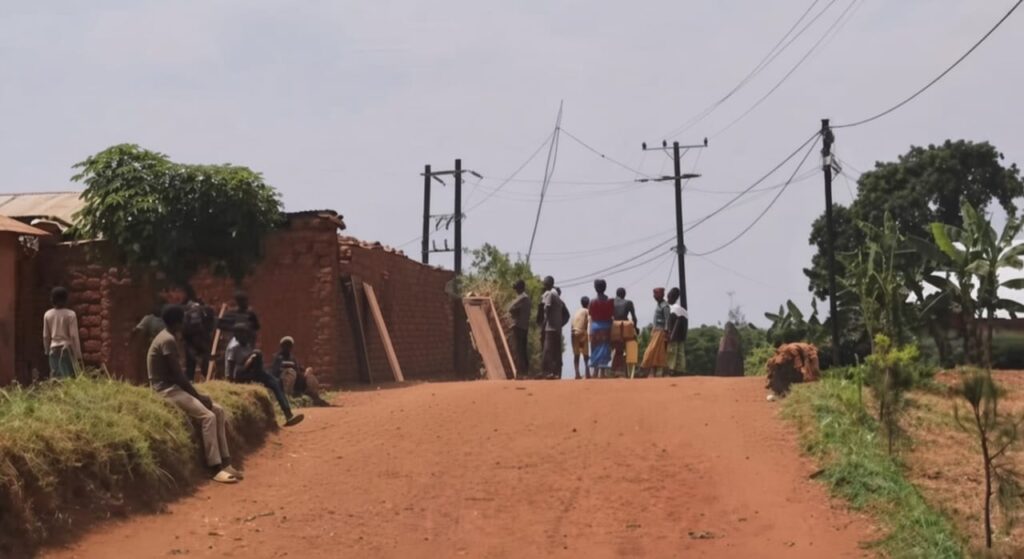
Residents of Gicumbi District are calling on the government to introduce quality-testing mechanisms for traditional alcoholic beverages rather than restricting their production and sale, warning that tighter controls could drive consumers towards illicit alcohol.
The residents want traditional drinks such as ikigage, urwagwa and ubushera to be tested for safety and quality before they are sold or consumed.
They argue that such an approach would allow authorities to identify unsafe products while enabling communities to continue producing traditional beverages under regulated conditions.
The concerns are particularly pronounced in sectors close to Rwanda’s border, where residents say some people have increasingly turned to illicitly imported alcohol following tighter controls on traditional brews.
According to residents, Kanyanga and Waragi are among the alcoholic beverages allegedly being smuggled into Rwanda from neighbouring countries by people locally known as abarembetsi.
They claim that the illicit alcohol is often transported at night, with some consumers crossing the border to drink while others reportedly consume it in secluded areas.
One resident said authorities should consider the difference between regulating traditional brews and banning them outright.
“Late at night, around 7 p.m. or 9 p.m., the smugglers are running around, and you find residents drinking the alcohol across the border, while authorities know about it. But when they see someone who has brewed traditional beer and is taking it to a ceremony, they order it to be poured out.”
Residents from several sectors of Gicumbi say the issue requires a broader solution, arguing that continued restrictions could push more consumers towards unregulated alcohol.
Residents propose testing system
The residents are proposing a system similar to milk-quality testing at collection centres.
They say traditional beverages could be tested to determine whether they meet safety standards and whether harmful or inappropriate substances have been added.
The approach, they argue, would enable authorities to distinguish between traditionally produced beverages that meet hygiene requirements and those that pose health risks.
Gicumbi District Mayor Emmanuel Nzabonimpa said, however, that traditional beverages have not been banned.
“I’m talking about ikigage, urwagwa, ubushera and umusururu; they have not been banned. However, those who produce them for commercial purposes are required to meet certain requirements in accordance with the law,” Nzabonimpa told Radio 1.
He said the requirements are intended to ensure that commercially produced traditional beverages meet applicable hygiene and safety standards.
The mayor also said residents preparing traditional beverages for private events can notify their village authorities so that the activity can be carried out in compliance with hygiene requirements.
The debate comes amid growing concerns among residents over the availability of illicit alcohol in border communities.
For residents, the proposed testing system would provide a middle ground—protecting consumers from unsafe products while preserving traditional brewing practices and reducing incentives to turn to illicit alcohol.
Authorities, meanwhile, maintain that traditional beverages remain permissible, provided producers comply with the requirements governing their preparation, sale and consumption.