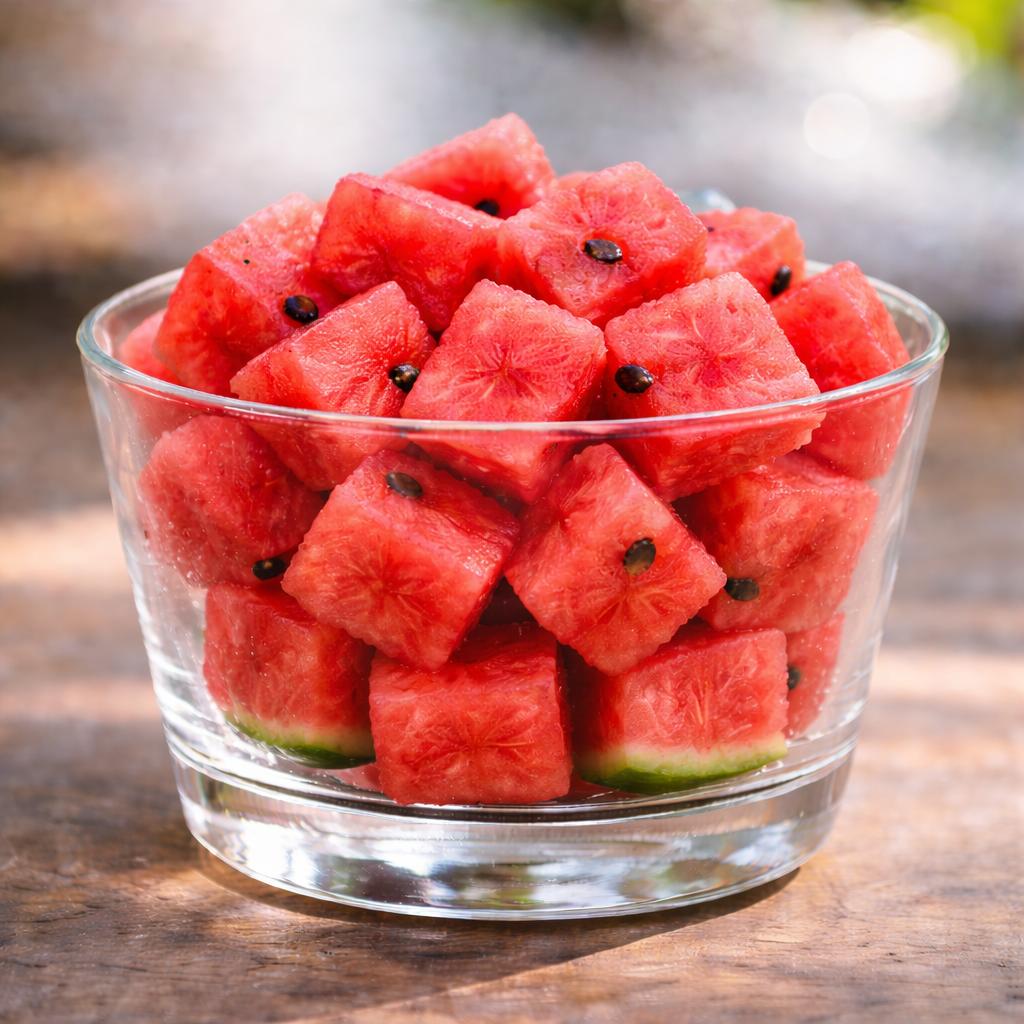
Watermelon is more than a refreshing fruit for hot days. Rich in water, vitamins and antioxidants, it can help maintain hydration, support heart health and provide nutrients essential for the body’s normal functioning.
The fruit contains lycopene, an antioxidant responsible for its red colour that helps protect cells against damage. Research has also linked lycopene consumption to a reduced risk of certain diseases, although further studies are needed to establish its protective effects.
According to the United States Department of Agriculture (USDA), 100 grams of watermelon contains approximately 91 grams of water, 30 calories, 8.1 milligrams of vitamin C and 112 milligrams of potassium. It also provides lycopene and other beneficial plant compounds.
With water making up about 92% of its content, watermelon can contribute to daily fluid intake, particularly during hot weather and after physical activity.
Adequate hydration helps regulate body temperature, transport nutrients and enable the kidneys to remove waste products. Eating water-rich fruits such as watermelon can therefore help replenish fluids lost through sweating, although it should not replace drinking water.
Watermelon may also benefit people who exercise. Some sports medicine research suggests that drinking watermelon juice before physical activity could help reduce muscle soreness in the hours following exercise. However, the evidence remains limited, and results may vary.
The fruit is also a source of vitamins A and C, which support immune function. Vitamin C is particularly important for collagen production, helping maintain healthy skin and other tissues while supporting wound healing.
Another potential benefit comes from L-citrulline, an amino acid found in watermelon. The body can use it to produce L-arginine, which contributes to the production of nitric oxide. This molecule helps blood vessels relax and widen, a process that supports healthy blood flow.
Researchers have investigated whether these compounds could help improve blood pressure and cardiovascular health, although watermelon should not be considered a substitute for prescribed treatment.
Watermelon is also relatively low in calories. A 150-gram serving provides approximately 46 calories, making it a suitable option for people seeking to maintain a balanced diet.
Although studies have examined possible links between lycopene and a lower risk of certain cancers, including prostate and colorectal cancer, eating watermelon alone cannot prevent or treat cancer.
Incorporating watermelon into a varied, balanced diet is one way to increase fluid intake and obtain essential nutrients while enjoying a naturally sweet fruit.