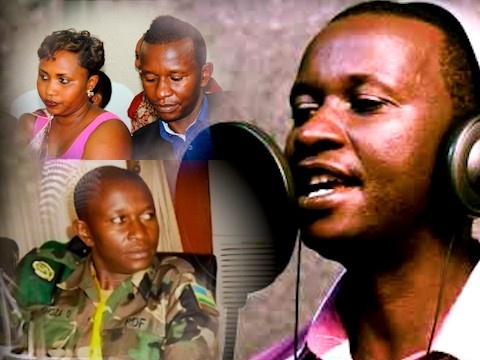
Dieudonné Munyanshoza, popularly known as “Mibirizi,” has emerged as one of Rwanda’s most influential cultural figures, using music as a powerful tool for healing and remembrance in the aftermath of the 1994 Genocide against the Tutsi.
Blending artistry with lived experience, Munyanshoza’s work has helped shape Rwanda’s “isanamitima” (healing) music genre, offering solace to survivors while preserving the memory of those lost.
From humble beginnings to national impact
Born on September 25, 1975, in Mibilizi, Rusizi District, Munyanshoza’s early life was marked by limited access to education, ending his formal schooling at primary level. He later trained in carpentry before joining the former RPF-Inkotanyi forces in 1993 at the age of 18 during the liberation struggle.
His early exposure to music saw him perform songs by renowned Rwandan artists including Sebanani Andereya and Philemon Niyomugabo, before launching his own career.
Music as memory and message
Munyanshoza began recording his own songs in the 1990s, but it was in the post-genocide period that his music took on deeper significance. His compositions became a medium for remembrance, reflection, and national healing.
His 1997 debut album introduced tracks such as Umwari, Amazi si ya yandi, and Amahoro Meza. Two years later, he released a landmark commemorative album dedicated to victims of the Genocide against the Tutsi, featuring widely recognized songs like Mibilizi, Nyanza ya Butare, and Twarabakundaga.
He went on to produce dozens of remembrance songs, solidifying his reputation as a leading figure in Rwanda’s healing music landscape.
Expanding artistic range
Beyond remembrance, Munyanshoza later diversified his music. In 2010, he released an album focusing on love and family life, with songs such as Mubaye umwe and Nibaguhigamire, reflecting broader social themes.
He also collaborated with other artists on national remembrance projects, including the widely known track Nturi wenyine.
Recognition and service
Throughout his career, Munyanshoza has earned national recognition for both his artistic contribution and social impact. In 2011, he placed second in the “Hanga Umurimo” competition organized by the Ministry of Trade and Industry, behind Danny Vumbi.
In 2024, he received a Lifetime Achievement Award at the Isango na Muzika Awards, honoring his enduring influence on Rwanda’s music industry.
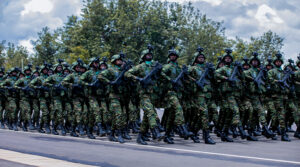
Parallel to his music career, Munyanshoza served in the Rwanda Defence Force for 23 years, retiring in 2016 with the rank of Sergeant.
A legacy of healing
Today, Mibirizi’s music remains deeply embedded in Rwanda’s collective memory—bridging past and present through sound. His work continues to stand as a testament to the role of art in healing, unity, and the preservation of history.