President Paul Kagame has called for sweeping changes in Rwanda’s football, criticising indiscipline, internal conflicts and superstition that he said continue to hold back the sport’s development.
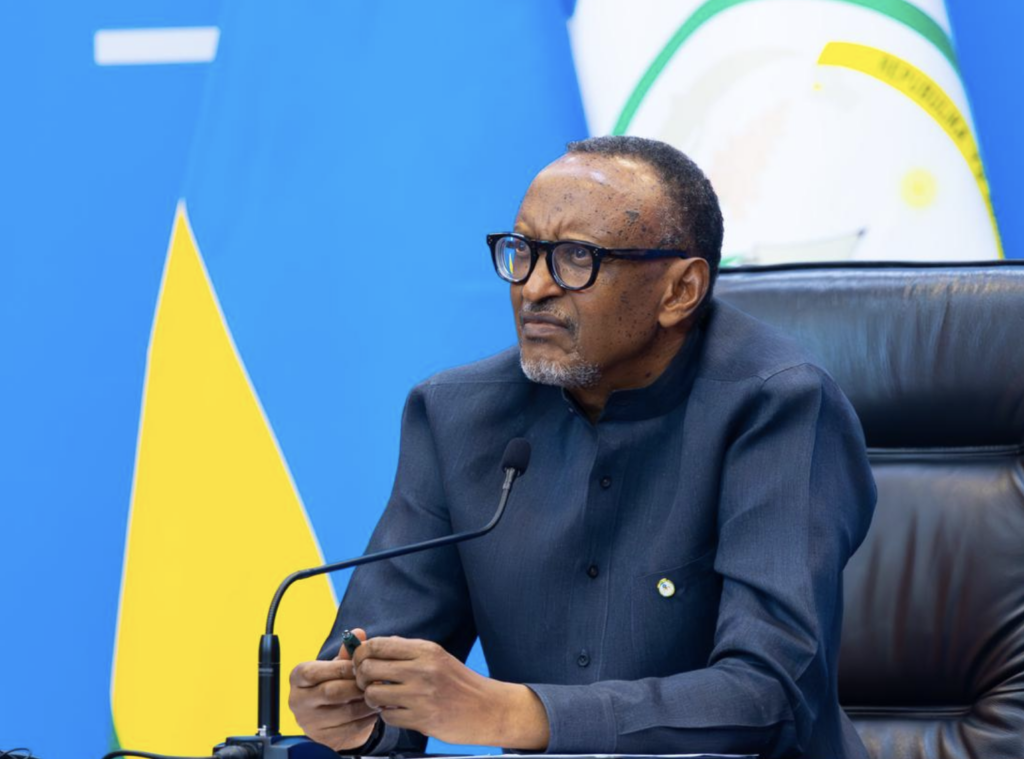
Speaking at a press conference on Monday, August 24, 2026, Kagame rejected the suggestion that Rwanda’s football teams were currently performing well, saying their progress remained below expectations despite the support provided to the sport.
“No. No. I was about to say that I disagree with you about performing well. Performing well is still at a low level,” Kagame said.
Kagame said he had repeatedly supported football, including providing financial assistance when necessary, but questioned whether continued funding was justified if underlying problems within the sport remained unresolved.
“I have tried everything I could. I have helped and pushed, but I do not know what else I can do,” he said.
He said he had at times borrowed money to support football when public resources were insufficient, only to see conflicts and rivalries persist among people involved in the sport.
Kagame said disagreements within clubs and between teams were among the factors undermining progress, adding that football could produce better results if those problems were addressed.
He said his commitment to football remained strong but acknowledged that he sometimes chose to step back when he felt the situation had become too difficult.
“My support and love for football are certainly there, but sometimes I feel it has gone beyond me, so I step back and focus on other things,” he said.
The President also called for Rwanda to build its football system from the grassroots by identifying and developing young talent and making youth development a sustained national priority.
He said changing attitudes among players and other stakeholders was equally important, arguing that football development required more than financial investment.
Kagame criticised what he described as poor conduct among some players, pointing to issues including indiscipline, superstition, theft and other practices that undermine professionalism.
He suggested that addressing these problems and establishing stronger systems for developing young players would help Rwanda build a more competitive football sector.