Rwandan lawmakers have called for the history of the 1994 Genocide against the Tutsi to be taught to children and young people through age-appropriate approaches, stressing the need for learning materials tailored to their level of understanding.
The call was made on Friday, July 31, 2026, during a consultative meeting organized by the Parliamentarians’ Forum Against Genocide Ideology and Genocide Denial (AGPF) to examine the challenges parents and teachers face when explaining the history of the Genocide against the Tutsi to younger generations.
The meeting brought together Members of Parliament, senators, historians, teachers and authors to discuss effective ways of helping children and youth understand one of the darkest chapters in Rwanda’s history.
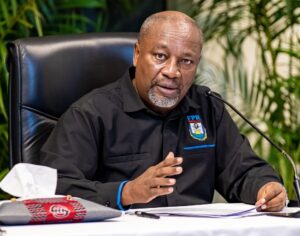
AGPF President, Senator Jean Pierre Dusingizemungu, said providing children and young people with an accurate understanding of the Genocide against the Tutsi is critical to preventing genocide ideology, denial and historical distortion.
“One of the most effective ways to prevent genocide and combat its denial or trivialization is to educate both adults and young people about how it was planned and carried out,” he said.
Dusingizemungu noted that genocide history is taught through research, books, public discussions and school curricula, but acknowledged that challenges remain in presenting the subject in ways that are appropriate and understandable for children.
He said AGPF’s visits to teacher training colleges and universities offering history education revealed several concerns, including teachers who avoid teaching the Genocide against the Tutsi altogether because they fear addressing the topic, while others teach it only superficially.
According to Dusingizemungu, some educators are reluctant to discuss the subject because members of their families were involved in the genocide, while others continue to struggle with trauma stemming from the 1994 atrocities. Some also lack the knowledge and confidence needed to teach the subject effectively.
He warned that when teachers and parents are unable to explain the history accurately, young people become more vulnerable to misinformation and genocide ideology.
“This creates a gap that can be exploited by genocide deniers and those who seek to distort history. People must learn to speak the truth, even when it is difficult,” he said.
He added that children who understand the factual history of the Genocide against the Tutsi are better equipped to preserve that history and resist false narratives.
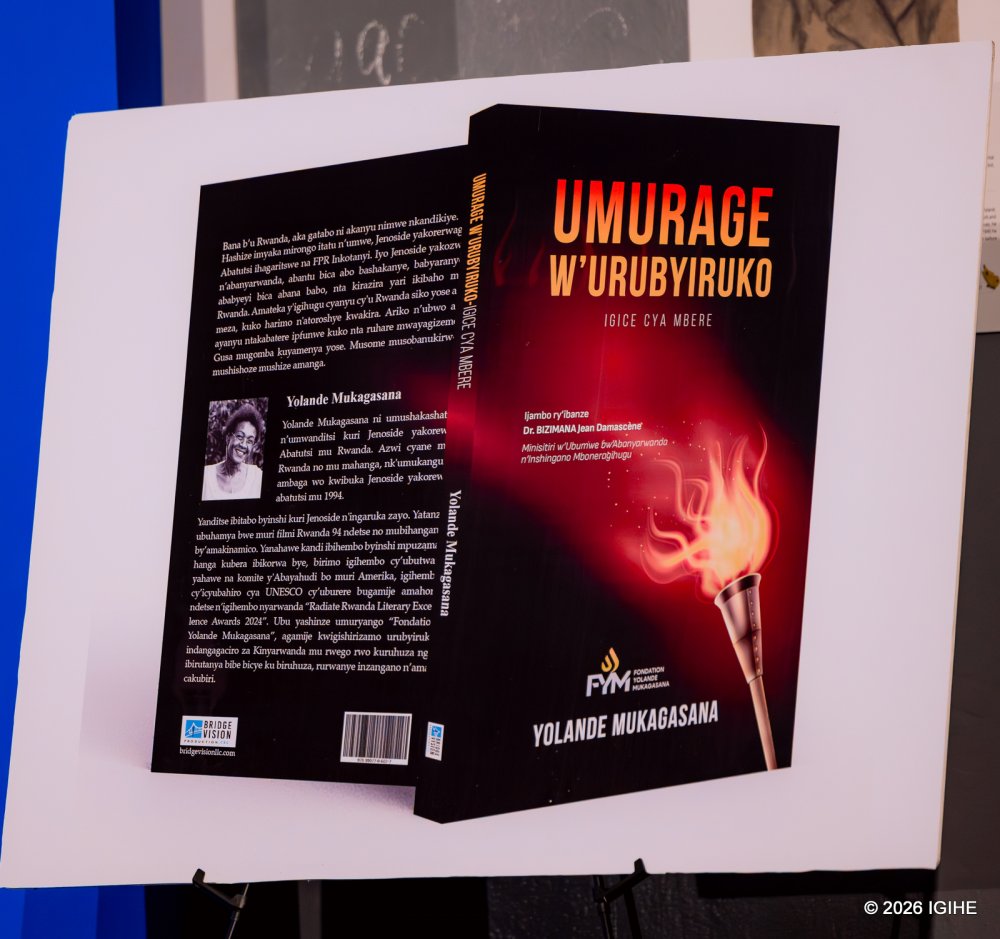
Participants also highlighted the role of authors in developing educational resources that present genocide history in engaging and age-appropriate ways.
Author Jean Marie Vianney Rurangwa, who recently published a children’s play about the Genocide against the Tutsi, said he chose the drama format because it allows children to engage more easily with the story and its message.
The book follows the family of a genocide survivor, with parents explaining the history of the Genocide against the Tutsi to their children during visits to genocide memorials.
Rurangwa said visiting memorial sites helps children better understand the history by allowing them to see tangible evidence of what happened.
“Some people believe children should be shielded from these painful events, but seeing real evidence helps them understand the truth and strengthens their commitment to ensuring genocide never happens again,” he said.
MP Jennifer Wibabara said visits to genocide memorials should be accompanied by well-prepared discussions that help children reflect on what they have seen and understand the lessons they should draw from those experiences.
Lawmakers agreed that methods of teaching genocide history must evolve to reflect the learning styles and perspectives of today’s children and young people.
Senator Hadija Ndangiza Murangwa said authors have an important responsibility to produce children’s books, plays, cartoons and other educational materials that make the history of the Genocide against the Tutsi easier to understand.
She noted that some children still hold misconceptions about the shooting down of former President Juvénal Habyarimana’s plane because parents and teachers have not adequately discussed the issue with them.
“We need more books and plays that help children understand the truth,” she said.
MP Sylvie Muyango Mukayiranga called for stronger collaboration between Parliament, teachers and authors to produce concise, engaging educational materials instead of relying primarily on lengthy texts that many children are reluctant to read.
She also urged continued documentation and preservation of testimonies from survivors to ensure that the history of the Genocide against the Tutsi is taught from a broad and comprehensive perspective.
Concluding the discussions, Dusingizemungu stressed that effective educational materials must not only present factual information but also communicate it in ways that children can easily understand.
Although many books have been written about the Genocide against the Tutsi, he said, they are often underused by teachers and students because they are not designed with children’s developmental needs in mind.
He called on AGPF to strengthen collaboration with authors in developing practical teaching resources and recommended that these books and other educational materials also be made available at Rwanda’s embassies abroad to support Rwandan families living in the diaspora.