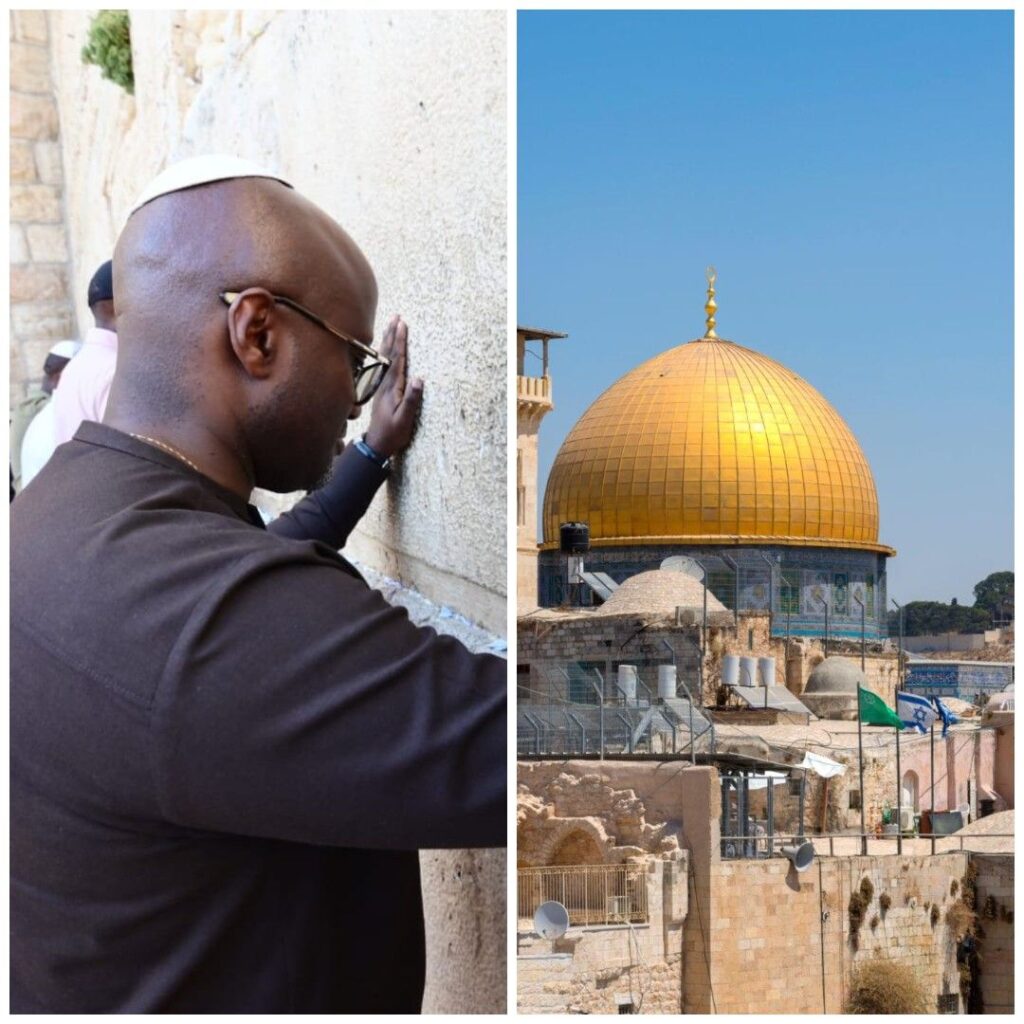
During an official visit to Israel, Rwanda’s Minister of Foreign Affairs and International Cooperation, Olivier Jean Patrick Nduhungirehe, visited the Old City of Jerusalem and the Western Wall, one of the most significant religious and historical sites in the world.
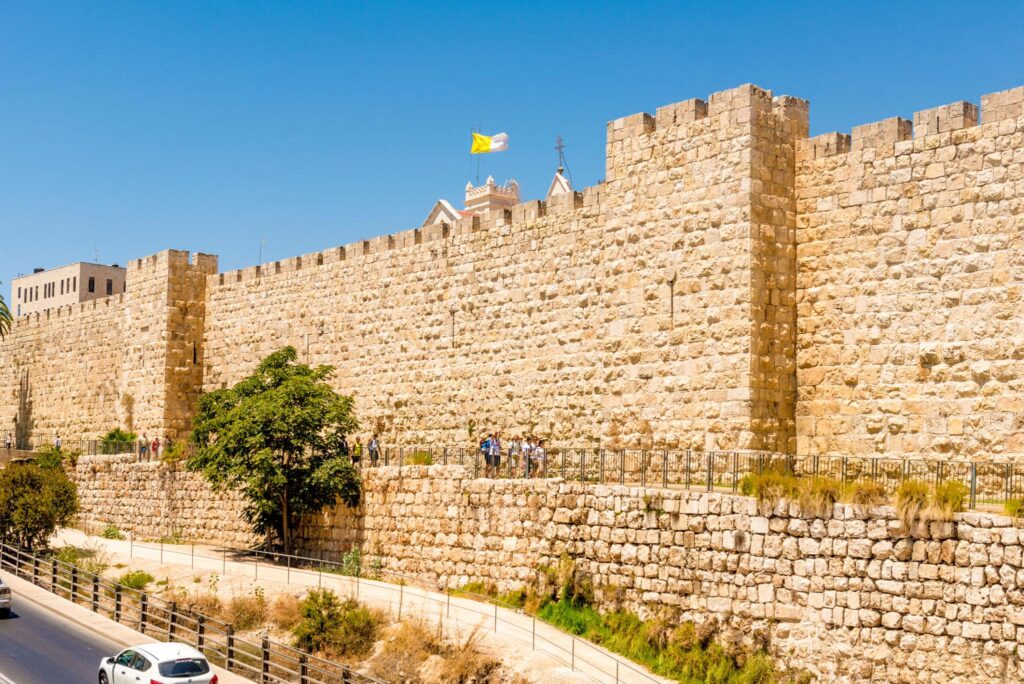
The Old City of Jerusalem is the historic core of Jerusalem, enclosed by walls built in the 16th century. It is divided into four quarters: the Jewish, Christian, Muslim and Armenian quarters, each reflecting centuries of layered history, culture and faith traditions.
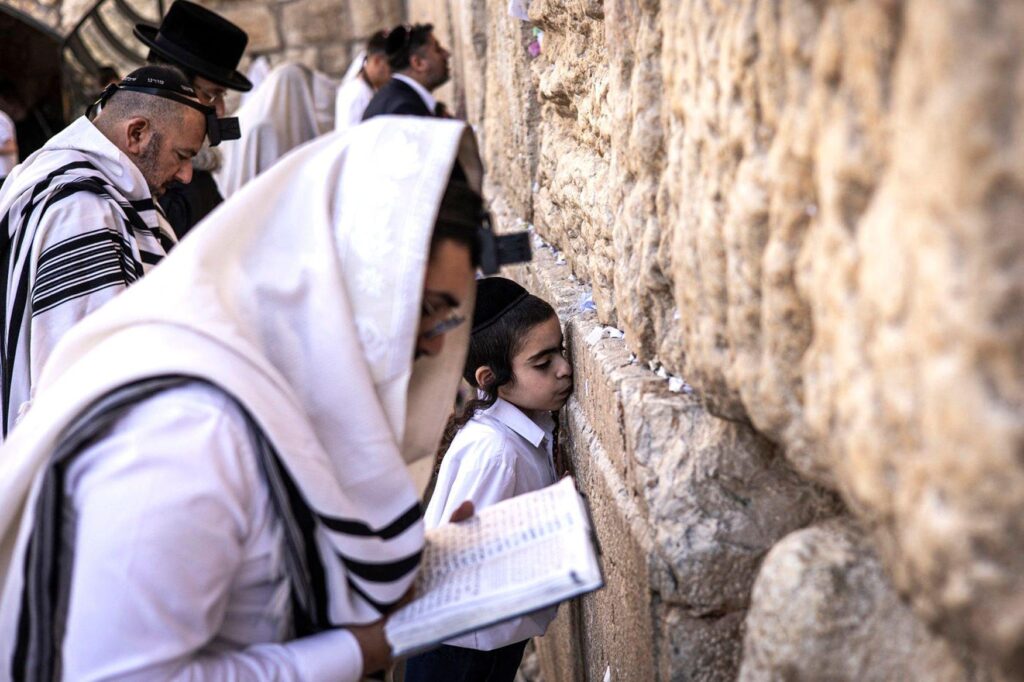
Among its most visited landmarks is the Western Wall, also known as the Kotel. It is the last remaining section of the Second Jewish Temple, which was destroyed by the Romans in 70 AD. The site is regarded as the holiest place where Jewish worshippers are permitted to pray and attracts millions of visitors each year.
A common practice at the site is the placement of handwritten prayers between the stones of the wall, a tradition followed by many visitors seeking spiritual reflection. Male visitors are required to wear a kippah, a head covering, as a sign of respect when approaching the site.
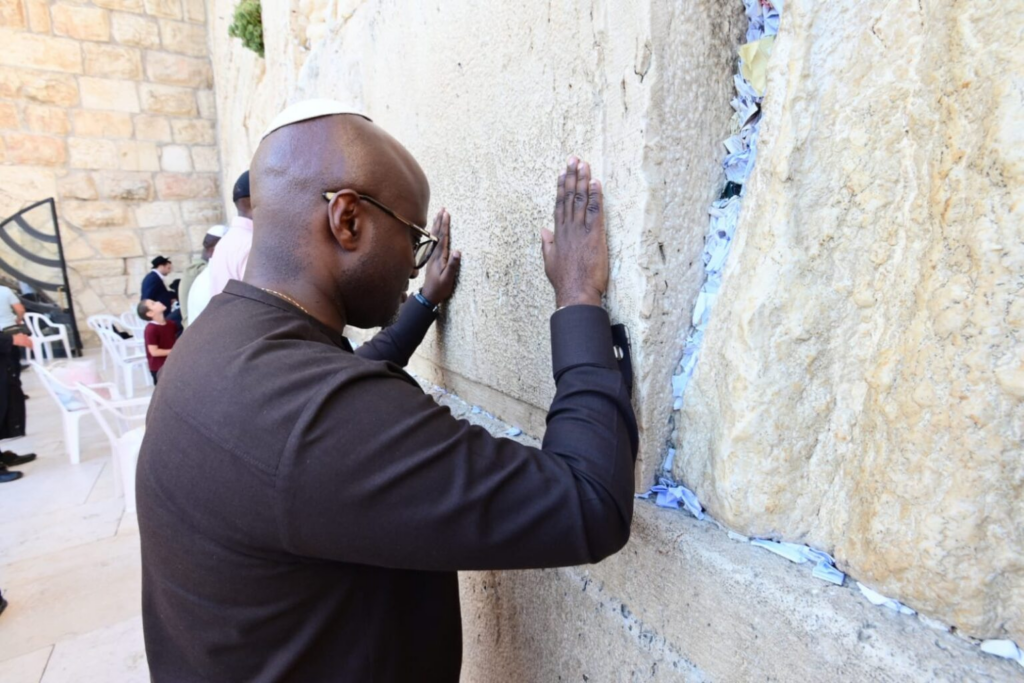
While the Old City and the Western Wall hold deep religious significance, they are also located in a highly contested area, with both Israelis and Palestinians maintaining historical and political claims to Jerusalem. Despite these sensitivities, the site remains one of the most visited and symbolically important locations globally.
The Old City of Jerusalem is recognized as a UNESCO World Heritage Site due to its outstanding cultural, historical and religious value. With a history spanning more than 3,000 years, it is considered sacred in Judaism, Christianity and Islam.
It contains several key religious landmarks, including the Western Wall, the Church of the Holy Sepulchre, the Dome of the Rock and Al-Aqsa Mosque, making it one of the world’s most important centers of faith and pilgrimage.
Despite its global significance, the Old City remains at the heart of long-standing political and territorial disputes, adding to its complexity as both a heritage site and a sensitive geopolitical location.