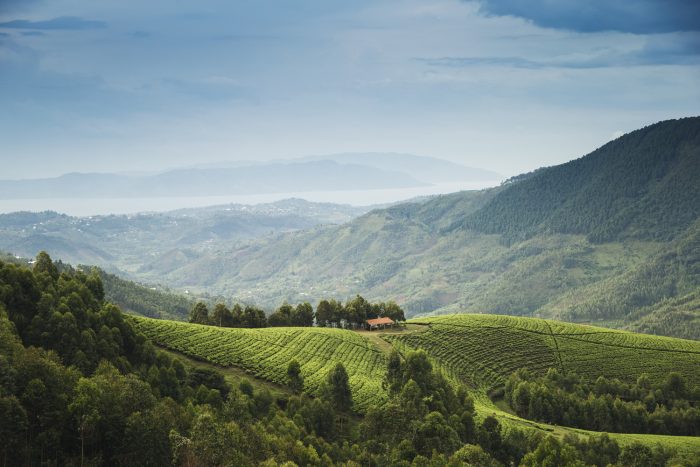
Nyamasheke District in western Rwanda generates about Rwf19.3 billion annually from tea, making the crop a major source of income for residents, while its proximity to Nyungwe National Park and Lake Kivu offers further opportunities for tourism and investment.
The district has three major tea-processing factories in Gisakura, Gatare and Cyato, the highest number of tea factories in any district in Rwanda, according to the report.
The factories process tea grown on approximately 4,800 hectares, producing around 5,400 tonnes of processed tea for the market.
Local authorities are also considering expanding tea cultivation in Cyato and Rangiro sectors, a move that could support the establishment of a fourth factory.
Beyond agriculture, Nyamasheke is seeking to capitalise on its natural attractions to expand tourism and hospitality businesses. Nyungwe National Park and Lake Kivu provide opportunities for ecotourism, hotels, fishing and other investments.
District Mayor Mupenzi Narcisse said the district’s location makes it attractive to investors, particularly in tourism and hospitality.
More than 10 of Nyamasheke’s 15 sectors border Lake Kivu, while the remaining five have connections to both the lake and Nyungwe National Park, according to the mayor.
The district already hosts accommodation facilities serving visitors to the area, including Nyungwe Tea Forest Resort in Gisakura and hotels overlooking Lake Kivu.
Nyamasheke also has historical sites associated with Rwanda’s royal history and the colonial era. These include Ku Ntango, linked to King Rwabugiri’s expeditions towards Ijwi Island in the Democratic Republic of Congo, and a former German military camp in Shangi.
Another site, known as Akarwa k’Abakobwa, or the Island of Girls, is associated with accounts of historical practices in which girls who became pregnant outside marriage were subjected to severe punishment and social exclusion.
Nyamasheke is one of the seven districts in Western Province, covering 1,174 square kilometres. It has a population of more than 434,221 people across 15 sectors and 68 cells.