Rwanda is stepping up efforts to expand agricultural insurance coverage after the Ministry of Agriculture and Animal Resources warned that many farmers and livestock keepers remain reluctant to insure their crops and animals, largely because they do not fully understand the benefits.
Joseph Ntezimana Museruka, an official responsible for monitoring crop and livestock insurance programmes at the ministry, told Rwanda Television that awareness of agricultural insurance is improving, but more work is needed to encourage farmers growing other crops to take up the service.
He cited rice farming as an example of progress, saying 98% of rice farmers have insurance, which has also made it easier for them to access loans.
“One thing we appreciate is that awareness continues to grow. For example, 98% of rice farmers have insurance. As a result, financial institutions that provide loans no longer require farmers to provide additional collateral when they have insurance,” he said.
Since the crop and livestock insurance programme began in January 2019, the premiums paid by farmers and livestock keepers have increased significantly, rising from Rwf150 million to Rwf5 billion, according to Ntezimana.
In 2025, farmers and livestock keepers paid Rwf2.9 billion in insurance premiums. He said the coverage helps protect them against losses caused by natural disasters and other incidents that damage crops or kill livestock.
“Last year, farmers and livestock keepers paid Rwf2.9 billion in premiums. This means that, without insurance, crops and livestock worth nearly Rwf3 billion would have suffered losses without protection,” he said.
Despite the programme’s progress, Ntezimana said more effort was needed to increase participation and ensure farmers receive support when they experience losses.
Across Africa, only 3% of farmers have agricultural insurance, compared with 6% in Rwanda, according to figures he cited.
“Looking at the African continent, only 3% of all farmers have insurance, while Rwanda has reached 6%,” he said.
Under the second National Strategy for Transformation (NST2) and the fifth Strategic Plan for the Transformation of Agriculture (PST5), Rwanda aims to increase the proportion of insured farmers and livestock keepers to 30% by 2029.
One of the main barriers is the perception among some farmers that insurance is too expensive. To address this, the government subsidises premiums to make coverage more affordable.
How Rwanda’s crop and livestock insurance programme works
Agricultural insurance is provided through a government initiative known as Tekana, urishingiwe muhinzi-mworozi, officially launched on April 23, 2019.
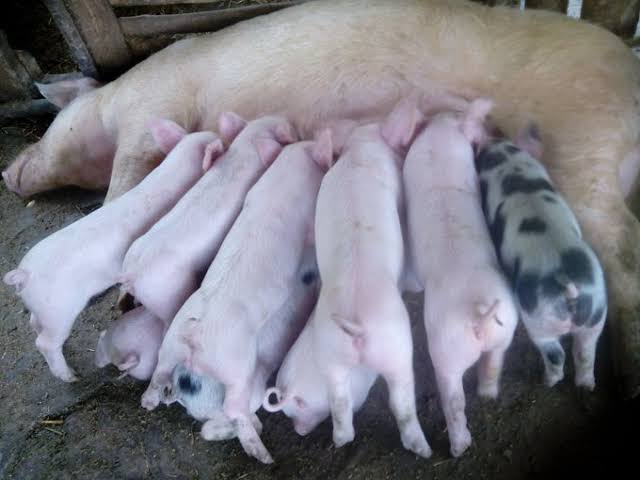
The programme initially covered crops including rice, maize, Irish potatoes, chilli peppers, beans, soybeans, cassava and green beans. Livestock covered under the scheme include cattle, pigs and chickens.
Through the Ministry of Agriculture and Animal Resources, the government pays 40% of the insurance premium, while farmers cover the remaining 60%.
When a farmer suffers a loss, they report it so that an assessment can be conducted. Compensation is paid within 15 days of the assessment.
More than 200,000 farmers and livestock keepers have joined the programme so far. However, despite the high uptake among rice farmers, overall insurance coverage across the agricultural sector remains at 6%, well below the government’s target of 30% by 2029.