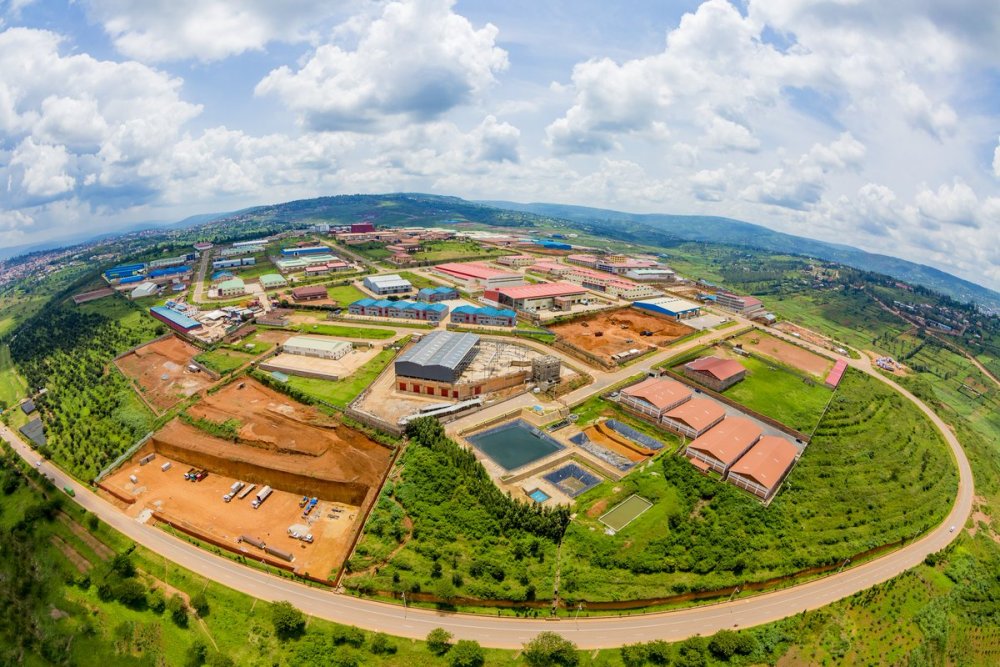
More than 400 investors have been allocated land in industrial parks across Rwanda, with nearly half of them already developing projects, as the government intensifies efforts to expand industrial capacity and attract investment.
The Ministry of Trade and Industry announced that 405 investors have so far received plots in the country’s industrial parks. Among them, 193 have completed their projects and started operations, 79 are still constructing their facilities, while 122 have not yet begun development.
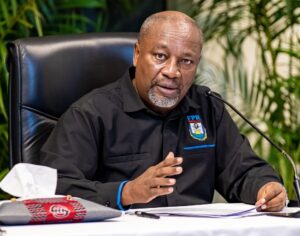
The figures were presented by Trade and Industry Minister Antoine Marie Kajangwe on Monday while appearing before the Senate to explain government efforts to address challenges affecting the development of industrial parks and the delivery of key infrastructure.
The Senate had requested explanations following a review of a report by its Committee on Economic Affairs and Finance, which highlighted progress made in industrial park development while pointing out remaining challenges, including infrastructure gaps and the need for better planning.
Kajangwe said industrial parks in Bugesera, Musanze, Muhanga, and Rwamagana have been prioritised under the second National Strategy for Transformation (NST2), with the government targeting completion of essential infrastructure in the four parks by 2029.
The planned infrastructure includes roads, water supply, electricity, telecommunications, customs services, security facilities, and other services required to support industrial operations.
The minister said detailed studies and master plans have already been completed for six of Rwanda’s 10 industrial parks, as part of efforts to ensure proper planning and efficient infrastructure development.
In Musanze Industrial Park, more than 7.6 kilometres of roads are planned, with sections of gravel and paved roads expected to be completed under the 2026/27 financial year. Full access to water, electricity, internet services, and other infrastructure is expected by 2028.
In Muhanga Industrial Park, road construction is ongoing, while electricity, water supply, and an industrial waste treatment facility are expected to be completed during the 2026/27 financial year.
Rwamagana Industrial Park has already prepared 7.8 kilometres of roads with gravel, with further upgrades expected as the government works to complete infrastructure by 2028.
Kajangwe said Huye and Rusizi industrial parks are currently developed at 41% and 35% respectively, with plans to expand paved roads and essential services by 2029.
For Nyagatare and Rubavu industrial parks, compensation has so far been provided to 35% of affected residents, while remaining payments will continue depending on available budgets.
The minister added that relocation and compensation processes in Kigali Industrial and Business Park have progressed through the first two phases, while further phases are expected to continue. Development in Bugesera Industrial Park has reached an occupancy rate of more than 90%.
The government has also repossessed six industrial plots from investors who failed to develop them within the agreed timelines and allocated them to other investors ready to establish projects. The move is part of efforts to ensure industrial land is used productively.
Investors operating in industrial parks pay an annual fee of one US dollar per square metre, which contributes to the maintenance and development of industrial infrastructure.
Rwanda began establishing industrial parks in 2006 as part of efforts to promote manufacturing, increase domestic production, and attract investment. The country currently has 10 industrial parks and special economic zones hosting businesses in sectors including agriculture, manufacturing, and construction materials.