The Rwanda Biomedical Centre (RBC) has called for greater care and emotional support for children and young people living with diabetes, warning that the psychological impact of being diagnosed with a long-term condition can undermine their confidence and affect their education.
Gad Nshimiyimana, an official in RBC’s department responsible for diabetes control, said young patients need more than medical treatment to manage the condition effectively. They also need to understand how to live with diabetes while maintaining confidence in their future.
“Many children are deeply affected psychologically when they are told that they have a disease they will live with for a long time, especially when they are still young,” Nshimiyimana said.
He said children should be taught how to manage their condition, including following prescribed treatment, monitoring blood sugar, maintaining appropriate nutrition and recognising signs that require medical attention.
“They need special attention so that we can restore their confidence,” he said.
Nshimiyimana also warned that some children may withdraw from school after being diagnosed with diabetes, making support from families, schools and health professionals particularly important.
He said a diabetes diagnosis should not be presented to children as the end of their ambitions, but rather as a condition they can learn to manage with appropriate treatment and support.
Diane Uwingeneye, who lives with diabetes, urged patients to follow medical advice and regularly monitor their health.
“The first thing is to follow the advice given by your doctor and stay on the recommended treatment plan. You should know how your diabetes is doing and monitor it regularly so that you can maintain a healthy life,” she said.
Uwingeneye also highlighted the value of positive testimonies from people who have lived with diabetes for years while continuing to study, work and achieve their goals.
She said such experiences can reassure newly diagnosed patients that they can continue pursuing their ambitions while managing the condition.
RBC similarly stresses that people living with diabetes can continue with their daily activities and contribute to society when they receive appropriate treatment and follow medical guidance.
The renewed call for support comes as Rwanda continues to strengthen efforts to improve diabetes awareness, early diagnosis and management. RBC previously reported that a 2021 national survey found diabetes affected about 2.9% of Rwanda’s population, equivalent to approximately 203,344 people.
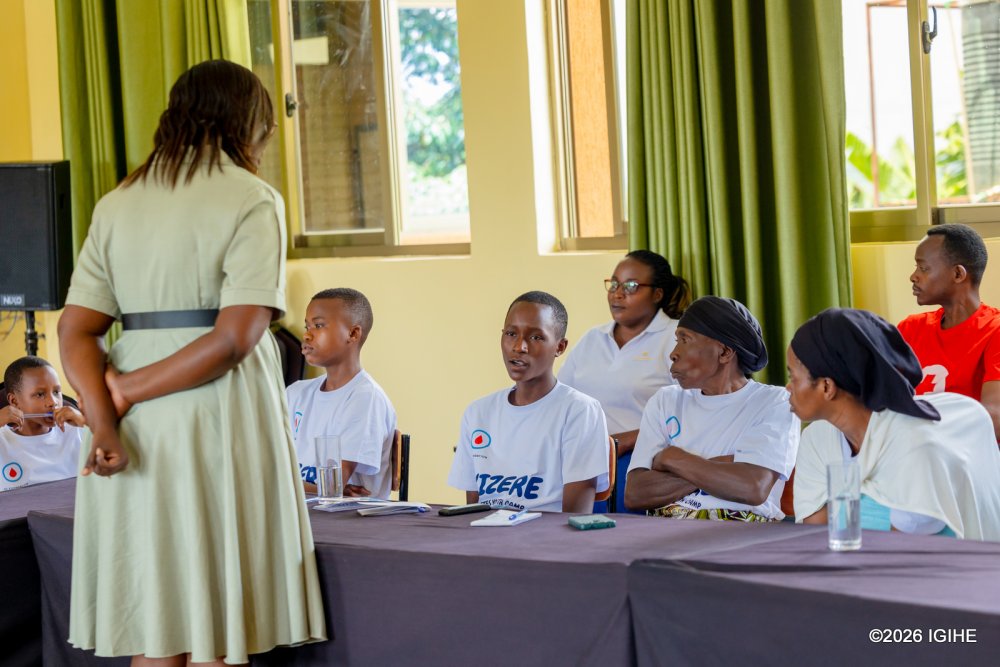
Recent activities involving young people with Type 1 diabetes have also focused on practical disease-management skills and emotional support, reflecting growing attention to the specific challenges faced by children and adolescents living with the condition.
For families, health workers and schools, RBC’s message is that supporting a child with diabetes should extend beyond medication to include education, encouragement and continued participation in school and everyday life.