The Rwanda Environment Management Authority (REMA) and the Ministry of Finance and Economic Planning have moved to reassure investors in the environmental and energy sector, saying that green investments are not only viable but increasingly profitable as Rwanda accelerates its transition to a low-carbon economy.
The message was delivered during a consultative meeting between Members of Parliament, REMA, and the Ministry of Finance, focused on investment opportunities in environmental protection and the development of sustainable energy investment zones.
Officials said that efforts to protect the environment and reduce greenhouse gas emissions are directly linked to reducing dependence on imported energy sources, including petroleum products, which remain a major global challenge.
REMA highlighted that the clean energy sector offers significant investment potential, with strong prospects for returns while contributing to national development goals.
Florien Mugabo, Executive Director of the Green Fund (FONERWA), said financial instruments have been introduced to reduce investor concerns over risk and limited information, noting that targeted funding is available to support green projects at different stages of development.
From the Ministry of Finance, Elie Sebahizi said Rwanda has put in place a range of incentives to attract investment in renewable energy, including tax exemptions on imported equipment used in green projects and support for electric mobility, including electric vehicles.
Lawmakers also sought clarification on the emerging carbon market, particularly how carbon trading operates, the benefits it generates, and how citizens are protected within the system.
REMA Director General Juliet Kabera explained that carbon trading is based on verified emission-reduction projects implemented at national level, with revenues generated when countries meet defined climate targets.
She said the system is expected to become a key source of environmental financing, supporting Rwanda’s ambition to cut greenhouse gas emissions by 38% by 2030.
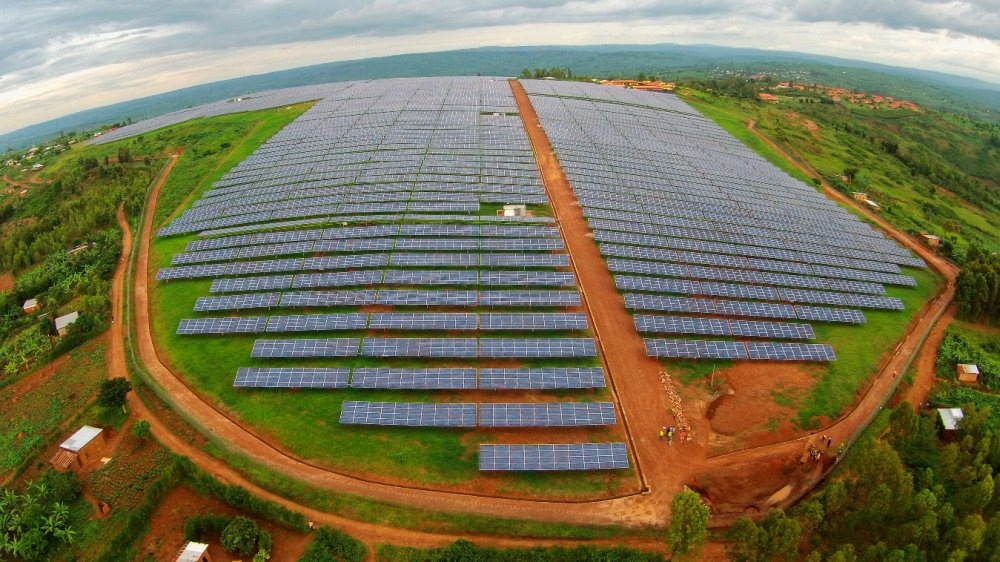
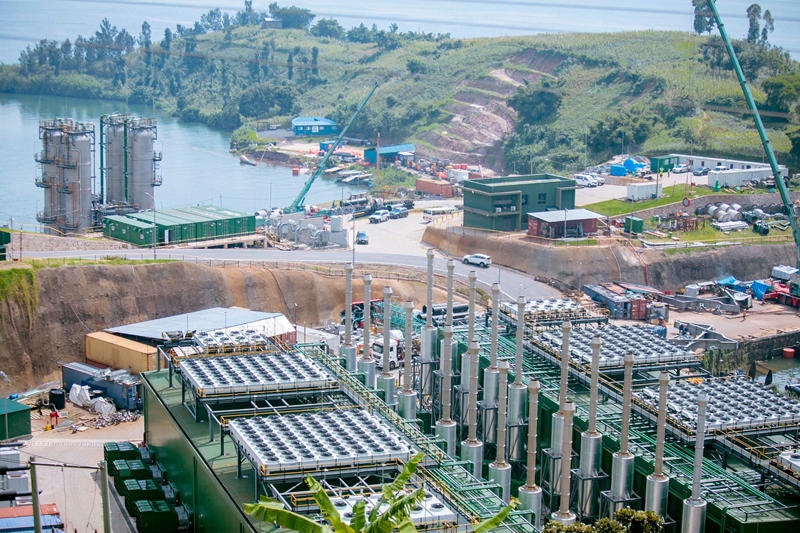
Priority interventions contributing to these targets include the promotion of clean cooking solutions such as electricity and gas, expansion of electric transport systems, and increased use of renewable energy sources such as methane extraction from Lake Kivu, solar energy, and wind power.
Officials also noted that these initiatives are aimed at reducing reliance on firewood and charcoal, which remain widely used in households, while positioning Rwanda as a regional leader in green growth and climate-smart investment.