Rwanda has identified districts at higher risk of health impacts linked to climate change, with heavy rainfall, drought and extreme heat likely to increase the prevalence of certain diseases and disrupt healthcare services.
The findings are contained in a report titled Rwanda Climate and Health Vulnerability and Adaptation Assessment, developed by the Ministry of Health in collaboration with other institutions and partners to assess how climate change affects public health and the ability of the healthcare system to respond.
The report identifies districts in the Western and north-western regions as particularly vulnerable to heavy rainfall, flooding and landslides, while those in the Eastern and north-eastern regions face greater risks from extreme heat and drought.
In districts such as Rubavu, Rutsiro, Ngororero and Nyamasheke, heavy rainfall and landslides could damage infrastructure and roads, making it difficult for residents to access healthcare facilities.
In the Eastern Province, particularly Nyagatare and Gatsibo, rising temperatures and drought could worsen water shortages and reduce agricultural production.
Kigali City, especially Gasabo District, also faces risks associated with extreme heat and flooding caused by heavy rainfall.
The assessment links several diseases to changing weather patterns and environmental conditions.
Malaria and schistosomiasis, a parasitic disease associated with contaminated freshwater, show seasonal patterns linked to rainfall. Schistosomiasis is particularly prevalent in areas near lakes in the Western Province.
Diarrhoeal diseases and intestinal parasitic infections could also increase during periods of heavy rainfall and high temperatures, particularly when access to safe water and sanitation is disrupted.
Respiratory illnesses may also be affected by heat, humidity and air pollution. In Kigali, the report identifies air pollution as one of the factors that could worsen respiratory health.
Drought, declining agricultural production and food shortages could further increase the risk of malnutrition, while natural disasters and displacement may affect mental health.
Pregnant and breastfeeding women, young children, older people, persons with disabilities, refugees and low-income households are identified as particularly vulnerable groups.
This is partly because some face greater health risks, while others live in disaster-prone areas or encounter barriers to accessing healthcare services.
Gaps in healthcare preparedness
An assessment of 10 hospitals in selected districts found that healthcare workers had an average preparedness capacity of 42 per cent to respond to climate-related health risks.
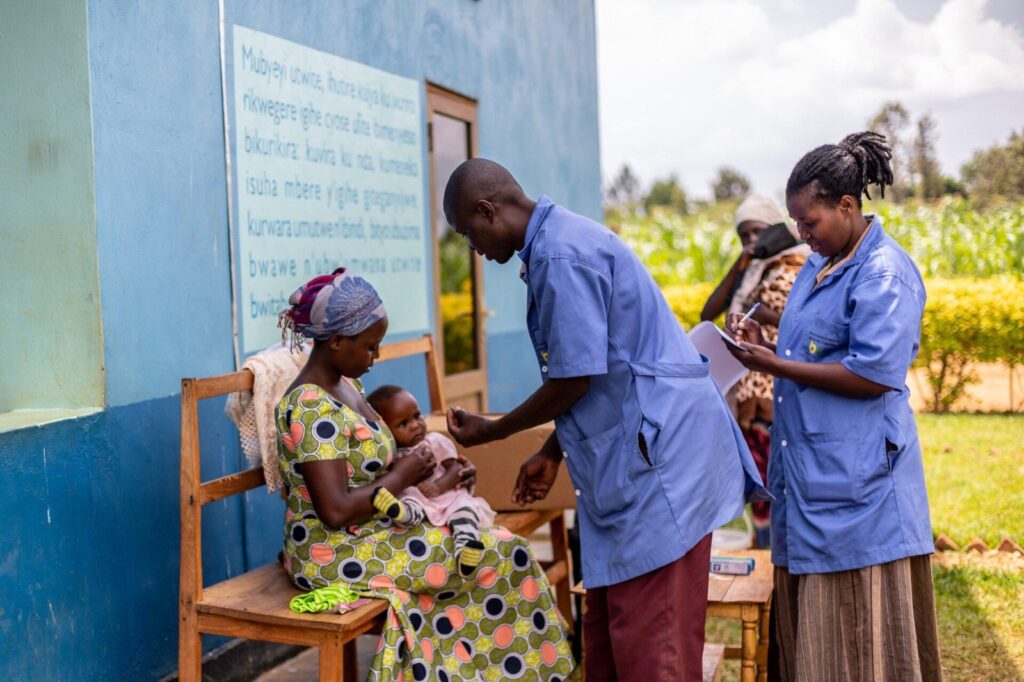
The report notes that health facilities are relatively better prepared to respond to sudden disasters such as floods and strong winds, but significant gaps remain in preparing for prolonged challenges, including drought and extreme heat.
Among the recommended measures are strengthening early warning systems for disasters and other climate-related risks, incorporating climate information into health planning, improving water, sanitation and hygiene services, and equipping healthcare workers with the knowledge to respond to climate-related health challenges.
The assessment also recommends sustained efforts to control mosquitoes and other disease-carrying insects, improve healthcare facility management and develop infrastructure that can withstand climate-related impacts.
The study used health and climate data from all 30 districts between 2019 and 2024. It also assessed 10 district hospitals through interviews with hospital directors, district health officials, health centre managers and community health workers.
The report emphasises the need to improve the collection of health and climate data to help future assessments identify vulnerable areas more accurately and guide appropriate interventions.