Rwanda is pursuing an ambitious plan to expand its sugar industry under the Second National Strategy for Transformation (NST2), with a target of increasing domestic sugar production from the current 10 percent to 50 percent of national demand within the next four years.
The announcement was made by the Minister of Trade and Industry, Prudence Sebahizi, while presenting the country’s industrial policy to the plenary session of the Chamber of Deputies on June 9, 2026.
During the discussion, lawmakers questioned what more could be done to increase local sugar production and reduce the country’s dependence on imports, which continue to place a significant burden on Rwanda’s foreign exchange reserves.
In response, Sebahizi said the government is actively seeking additional investors to complement the country’s sole sugar producer, Kabuye Sugar Works, whose current production capacity is unable to meet growing market demand.
“Over the next ten years, we are looking for other investors to complement the sugar factory that currently operates in Rwanda,” Sebahizi told lawmakers. “When you compare its production with the country’s needs, it can only supply about 10 percent of the sugar consumed in Rwanda. That clearly shows there is a gap that requires additional factories. We would like to attract another investor, and if possible, two or three.”
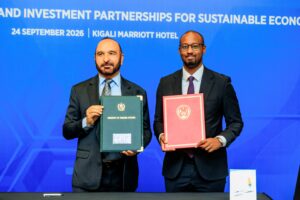
The minister revealed that discussions are already underway with prospective investors, including a sugar company from Kenya that is expected to partner with the Government of Rwanda on sugarcane cultivation and sugar production.
“There is a company from Kenya that is preparing to sign an agreement with the Government of Rwanda to grow sugarcane on land that will be allocated to them,” he said. “They have committed to producing enough sugar to satisfy at least 50 percent of national demand. However, this will take time and is unlikely to be achieved in less than four years.”
Sugar is one of Rwanda’s most important consumer and industrial commodities, with demand continuing to rise alongside the growth of food-processing and beverage manufacturing industries.
Although Kabuye Sugar Works previously supplied up to 47 percent of the country’s sugar requirements, expanding industrial demand has gradually outpaced the factory’s production capacity. As a result, locally produced sugar now accounts for only around 10 percent of the sugar consumed nationwide.
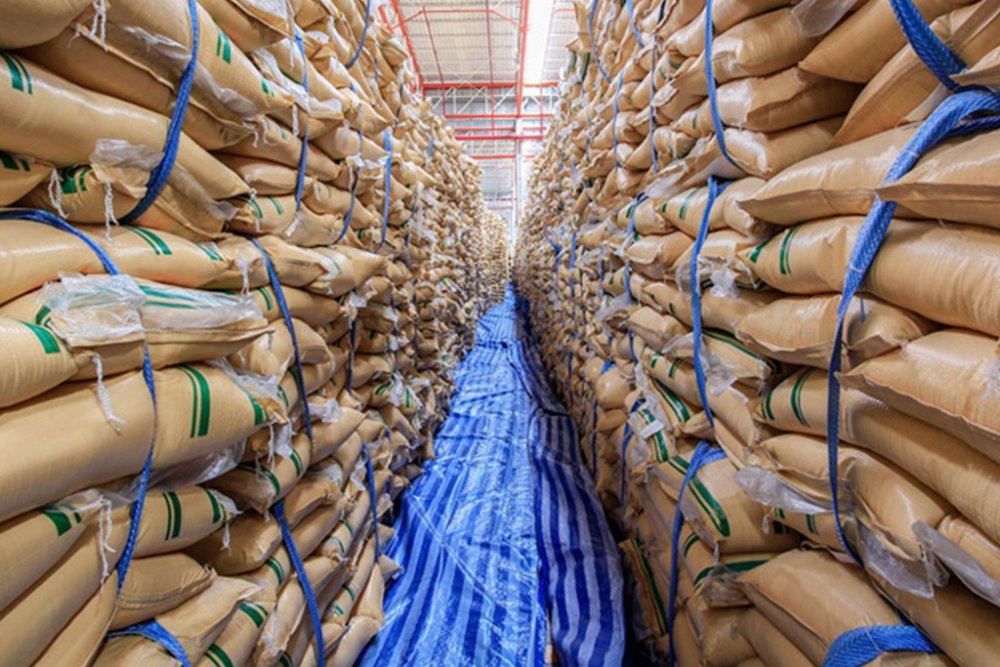
The production gap has left Rwanda heavily reliant on imports. According to figures presented during the parliamentary session, sugar is currently the country’s second-largest import expenditure after petroleum products.
In 2025, Rwanda imported 195,610 tonnes of sugar valued at approximately $145 million, down from 308,000 tonnes worth $238 million imported in 2024.
Government officials believe that increasing domestic sugar production will help reduce import dependency, strengthen agro-industrial development, create employment opportunities, and improve Rwanda’s trade balance by lowering the amount of foreign currency spent on sugar imports.
The planned expansion is part of broader efforts under NST2 to accelerate industrial growth, promote value addition in agriculture, and enhance Rwanda’s economic resilience through increased local production of strategic commodities.