Rwanda has renewed efforts to strengthen the protection of women and children in detention as it hosts a continental forum focused on improving oversight of prisons and preventing torture across Africa.
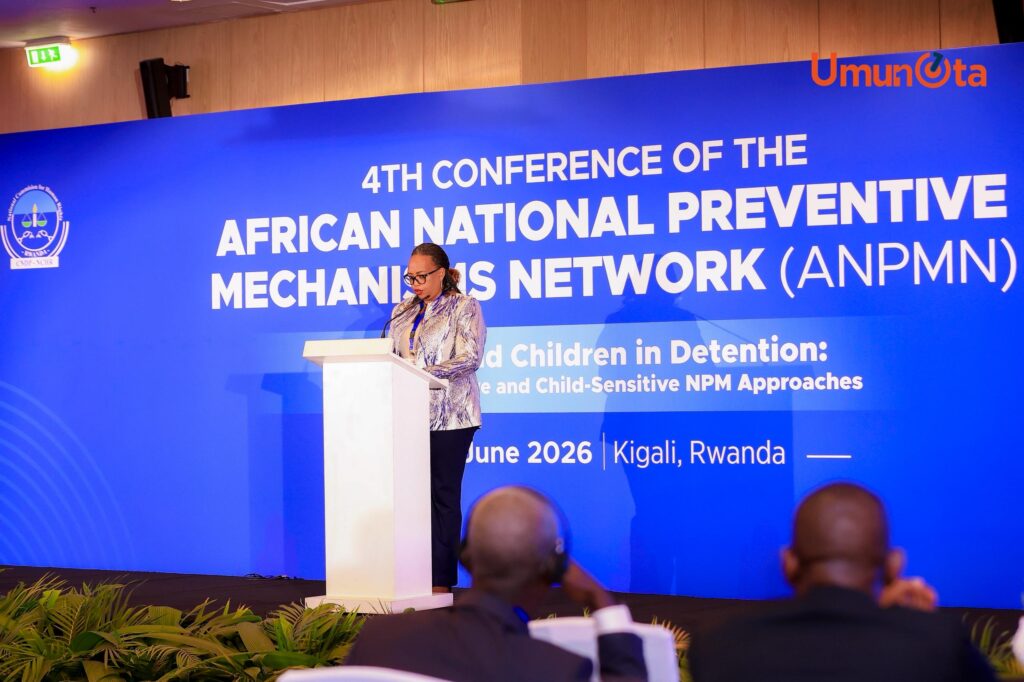
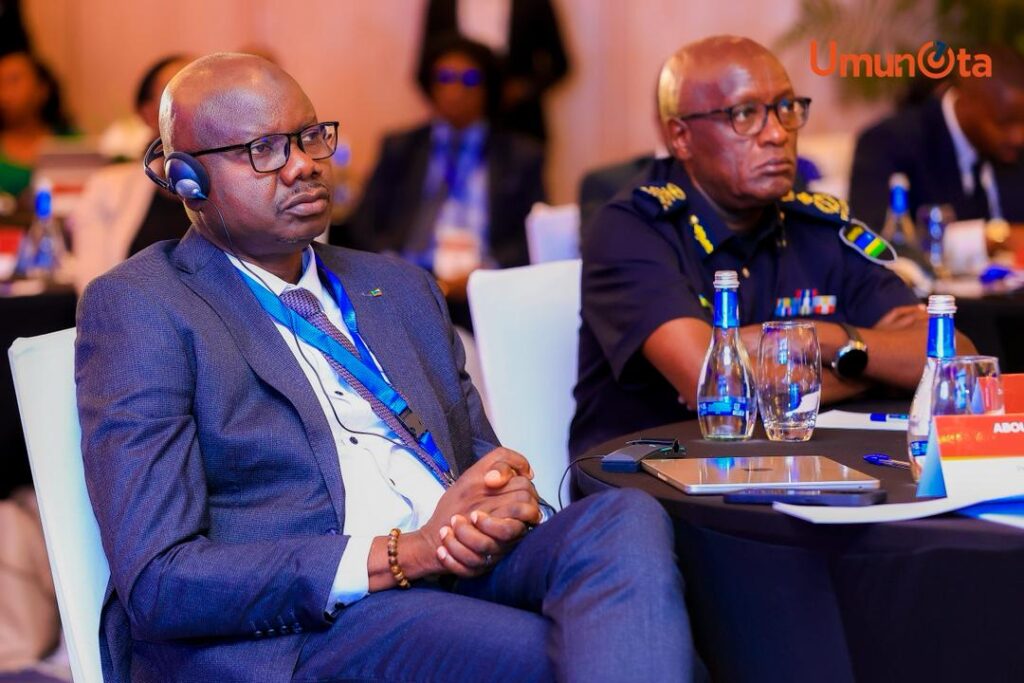
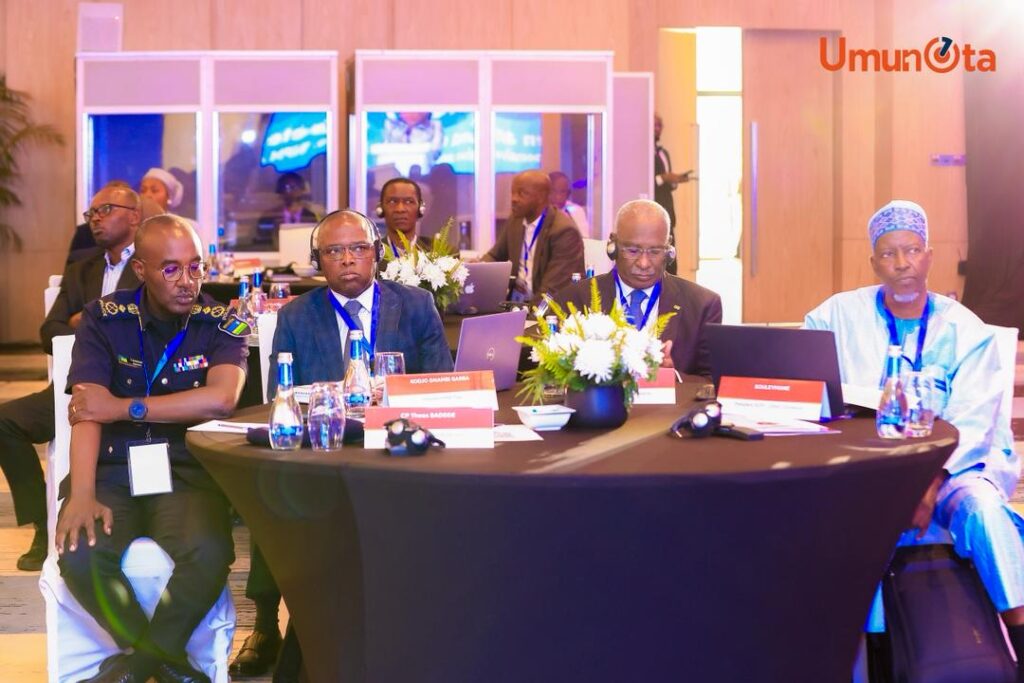
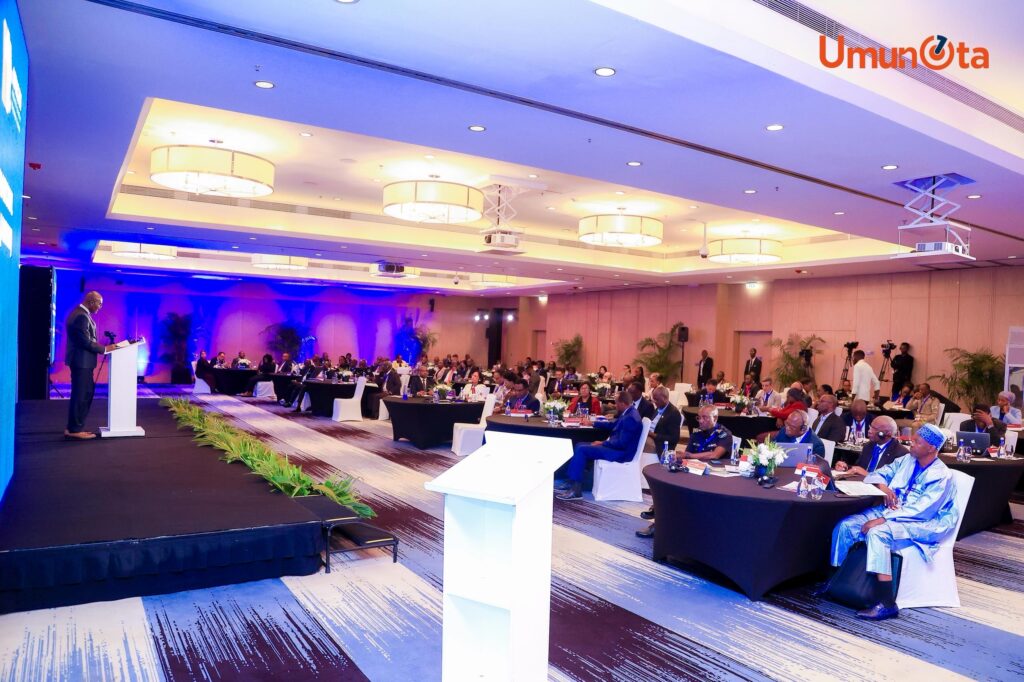
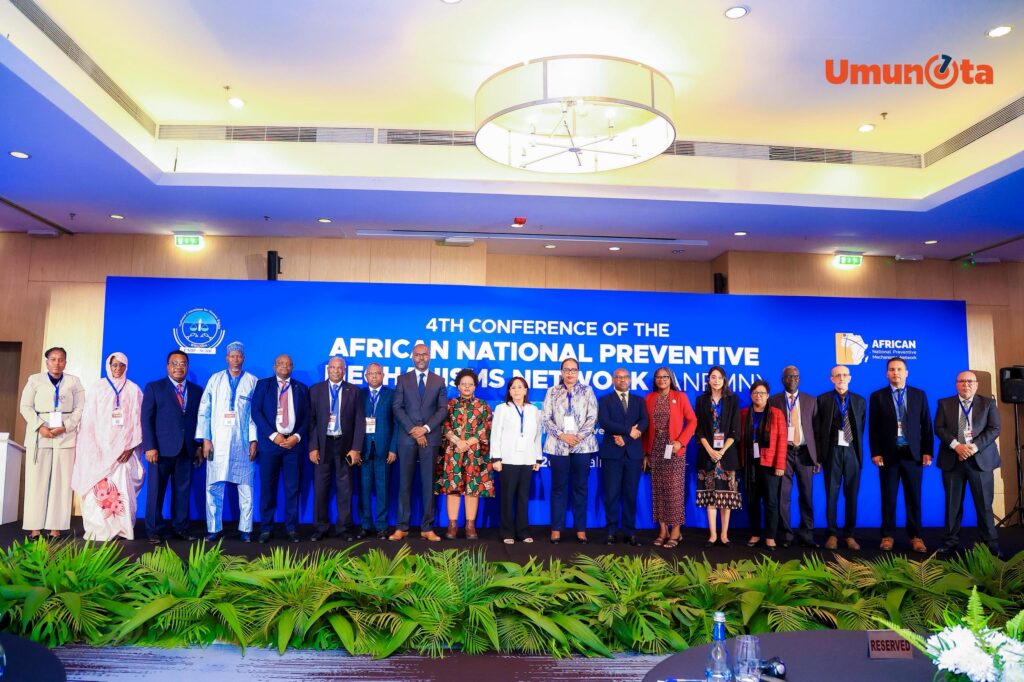
The discussions are taking place during the Fourth African Network of National Preventive Mechanisms (ANPMN) Forum, which opened in Kigali on June 24 and brings together human rights and justice experts from across the continent.
The three-day meeting is examining ways to better safeguard the rights of women and children deprived of liberty, while enabling countries to share experiences and best practices in monitoring detention facilities.
Organized by Rwanda’s National Preventive Mechanism against Torture under the National Commission for Human Rights (NCHR), the forum is focusing on the unique challenges faced by women and children in prisons and correctional facilities.
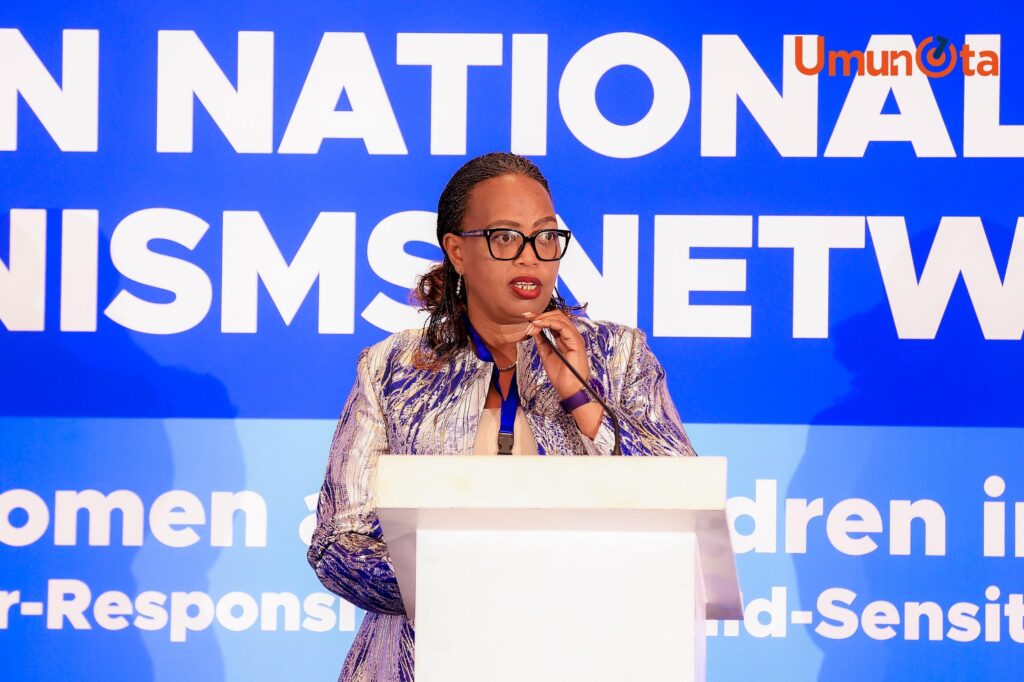
Speaking at the opening session, NCHR Chairperson Providence Umurungi said detention facilities have historically been designed for adult male inmates, creating the need for more targeted approaches to address the specific needs of women and children.
He stressed the importance of strengthening inspection mechanisms to ensure that detention conditions respect the rights and dignity of vulnerable groups.
Umurungi noted that Rwanda has made progress in protecting the rights of female and juvenile detainees through dedicated facilities for women and separate correctional centres for children, as well as special provisions for pregnant women and mothers with young children.
According to Rwandan law and prison regulations, children under the age of three may remain with their mothers in detention, while authorities provide tailored nutrition, healthcare and sanitation services for pregnant and breastfeeding women.
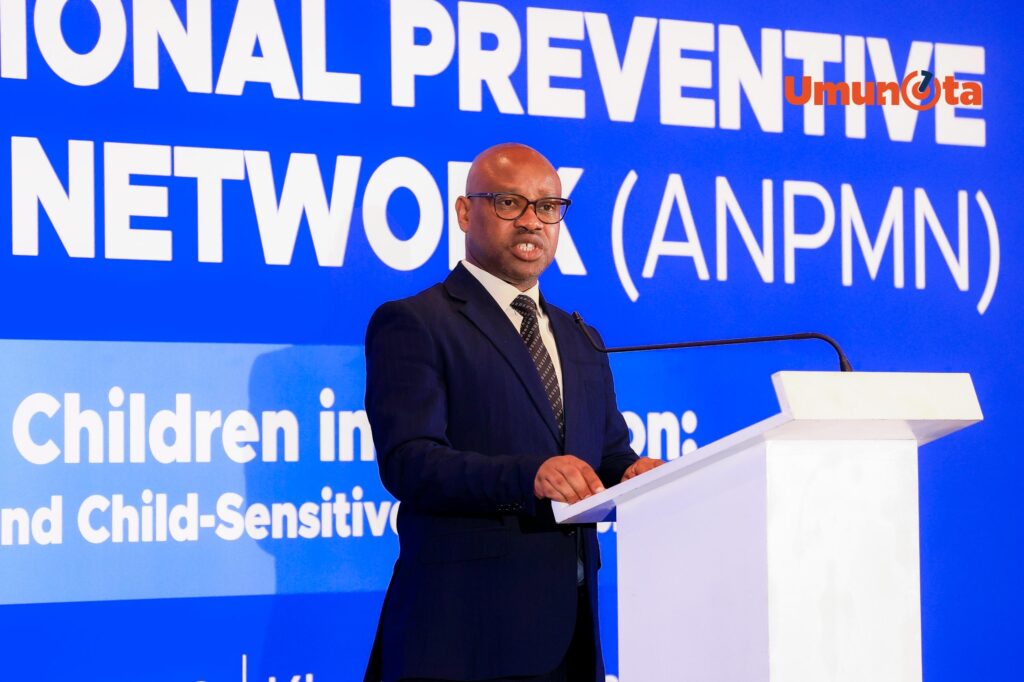
Permanent Secretary in the Ministry of Justice Théophile Mbonera said the forum offers an opportunity for African countries to exchange lessons on addressing persistent challenges affecting women and children in detention.
He highlighted Rwanda’s criminal justice reforms, which promote alternatives to detention for minors and prioritize rehabilitation over punishment.
“The objective is not to subject children to the same correctional measures as adults, but to adopt approaches that help them understand the consequences of their actions and successfully reintegrate into society,” Mbonera said.
He added that Rwanda has expanded the use of probation, mediation and community-based rehabilitation programmes as part of efforts to reduce the number of children entering detention facilities.
The reforms are being implemented under a national criminal justice policy adopted in 2022 and are complemented by ongoing studies exploring alternatives to formal court proceedings for juvenile offenders.
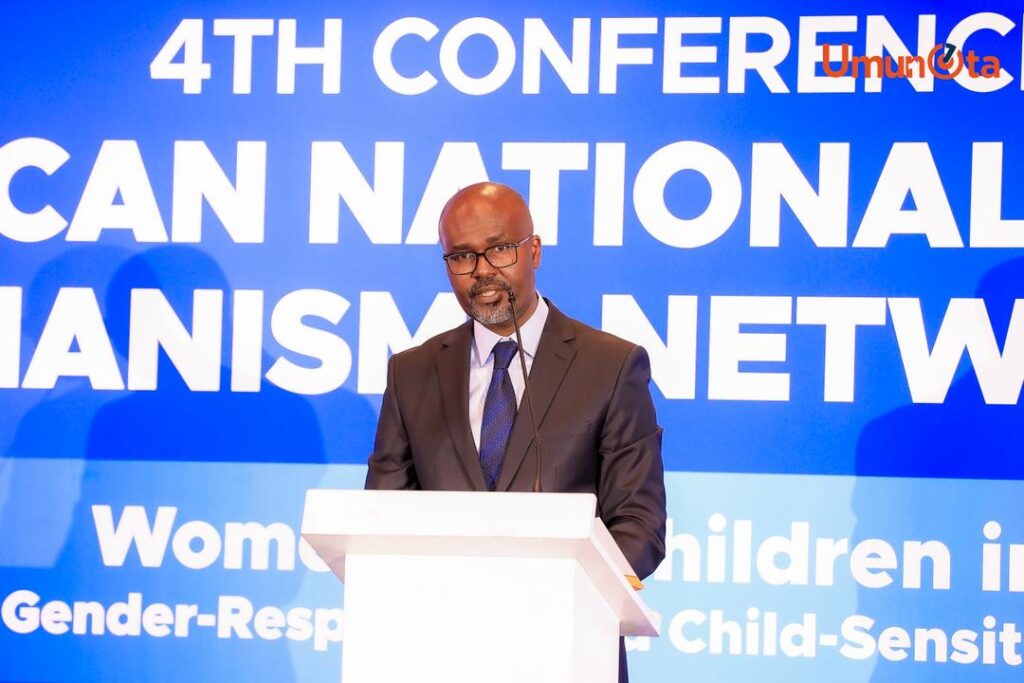
Gilbert Sebihogo, Executive Secretary of the Network of African National Human Rights Institutions, said that despite progress in prison management and torture prevention across Africa, women and children in detention continue to face significant challenges.
These include limited access to specialized healthcare, educational opportunities and reintegration support for women, as well as disruptions to education, prolonged detention and inadequate family support for children.
Sebihogo called on African countries to move beyond assessing physical detention conditions and place greater emphasis on addressing the specific needs of vulnerable detainees.
He said strengthening protections for women and children remains critical to ensuring that detention systems respect human dignity and uphold fundamental human rights.