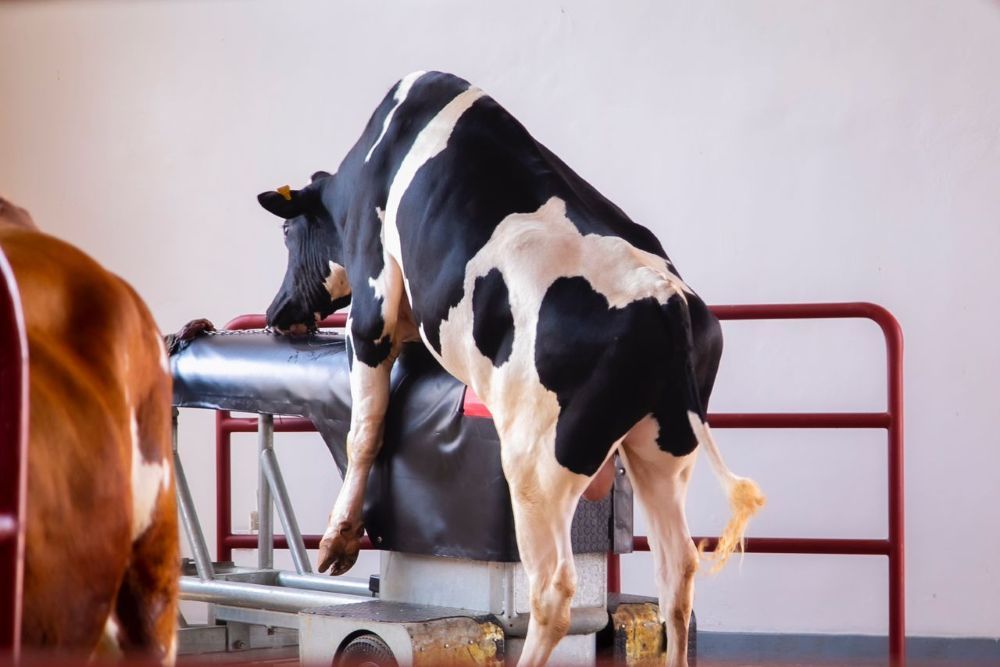
The Government of Rwanda has rolled out an ambitious strategy to dramatically scale up artificial insemination in cattle, positioning the intervention as a key driver of livestock productivity and rural income growth.
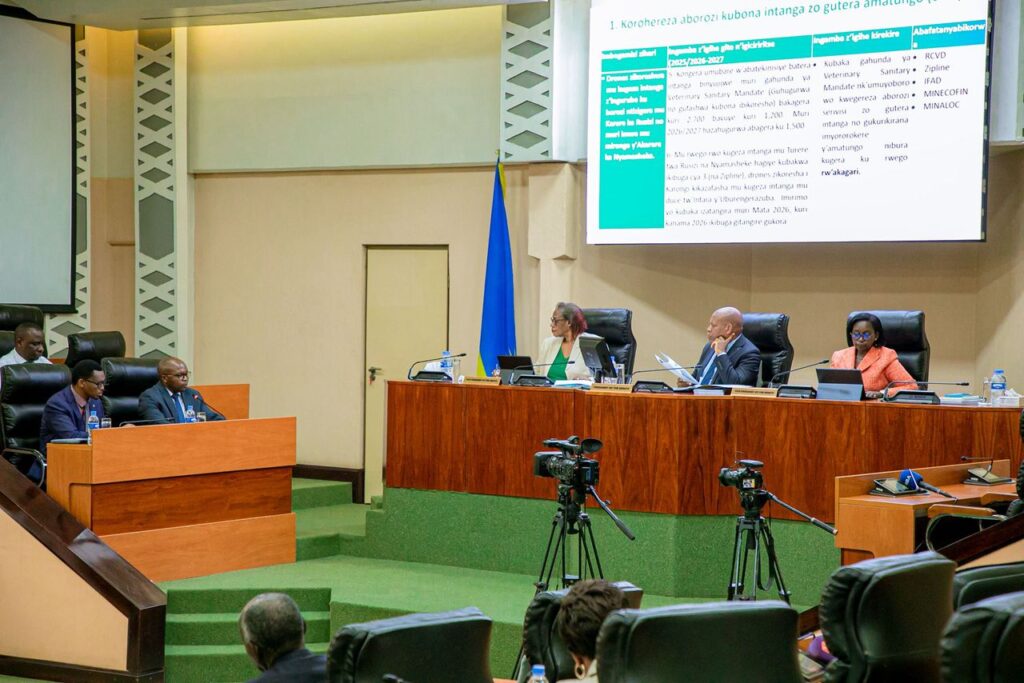
Minister of Agriculture and Animal Resources, Telesphore Ndabamenye, told the Senate that the number of cows to be inseminated annually will increase more than sixfold—from 120,000 to 741,274—by the 2027/2028 fiscal year.
He made the remarks on April 1 while appearing before the Upper House on behalf of the Prime Minister, responding to concerns raised by Senators following field inspections of livestock projects across the country.
A Senate report had highlighted persistent constraints in accessing insemination services, with shortages of liquid nitrogen—essential for preserving and transporting semen—emerging as a key bottleneck.
In response, the government plans to expand the pool of high-quality breeding bulls, including Friesian, Jersey, Brown Swiss, Angus, Charolais and Fleckvieh breeds. The number of such bulls is projected to reach 30 by June 2026 and double to 60 in the 2026/2027 fiscal year.
At the same time, the Songa-based national semen production centre in Southern Province will be upgraded to significantly boost output. From July 2026, the facility is expected to produce up to 864,000 semen doses annually.
This scale-up is set to increase the number of inseminated cows to 400,000 in 2026/2027, before reaching the 741,274 target the following year.
To stabilise supply, a third nitrogen production plant is under construction in Kayonza District and is expected to be completed by the end of this year, with additional facilities planned in Musanze and Karongi districts.
The government is also leveraging technology to address last-mile delivery challenges. A third drone distribution hub operated by Zipline is being established in Karongi District to facilitate rapid delivery of cattle and pig semen to remote areas, particularly in Rusizi and Nyamasheke districts.
In parallel, the number of artificial insemination technicians will more than double from 1,200 to 2,700, with over 1,500 new technicians set to be trained in the 2026/2027 fiscal year.
Additional interventions include scaling up livestock insurance, strengthening veterinary services and increasing investment in animal feed processing industries, all aimed at accelerating growth in the livestock sector and improving farmers’ livelihoods.
Following the session, Senators expressed satisfaction with the government’s responses, signalling confidence in the country’s strategy to advance livestock sector development.