Rwanda has registered notable progress in reducing child stunting, with the proportion of children under five affected by the condition dropping to 27% in 2025, down from 33% recorded in the 2019/2020 period, according to new data from the National Institute of Statistics of Rwanda (NISR).
The figures were released on Tuesday, December 17, 2025, during the official launch of the Seventh Rwanda Demographic and Health Survey (DHS7), attended by government officials and representatives of local and international civil society organizations.
Despite the overall improvement, the survey shows that stunting remains a challenge in several parts of the country.
Eleven districts still record stunting rates of 30% and above, although this marks a significant reduction from 20 districts that were above the same threshold in 2019–2020.
Gicumbi leads with the highest stunting rate at 38.8%, followed by Burera at 37.6% and Ngororero at 35.8%. Other districts with stunting levels above 30% include Rubavu, Karongi, Nyabihu, Rutsiro, Kirehe, Rusizi, Gisagara and Musanze.
In contrast, districts in the City of Kigali and Rwamagana report lower rates, ranging between 8% and 20%.
Under the second National Strategy for Transformation (NST2), the government aims to cut stunting among children under five to below 15%. Authorities say this will be pursued through strengthened maternal and child health services and expanded nutrition programs.
A report from the Ministry of Finance and Economic Planning shows that funding for interventions targeting malnutrition and stunting among children under five increased by Rwf 1.8 billion in the 2024/2025 fiscal year, rising from Rwf 355.4 billion in 2023/2024 to Rwf 357.8 billion.
However, the share of the national budget allocated to these programs declined from 7% to 6% due to overall budget growth.
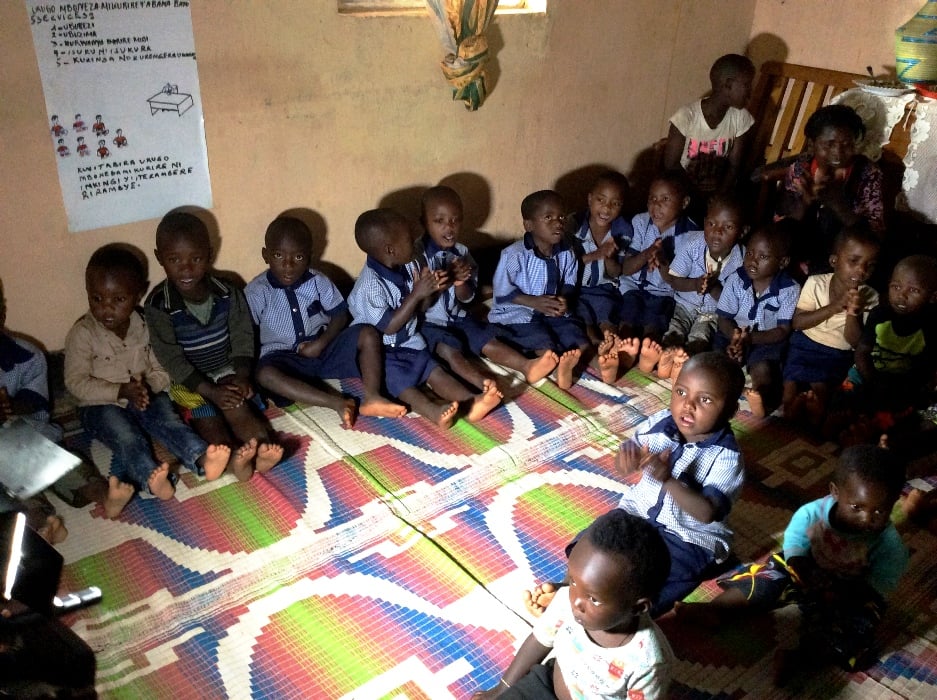
Key government initiatives include a nationwide program providing one egg per day to children aged six months to two years, as well as the expansion of early childhood development centers that offer nutrition, hygiene and early learning services.
Rwanda records more than 350,000 births annually, with the average woman giving birth to between three and four children, underscoring the scale of investment required to sustain gains in child nutrition nationwide.