The Minister of Agriculture and Animal Resources, Dr Telesphore Ndabamenye, has apologised to President Paul Kagame over delays in the rollout of the livestock artificial insemination programme, admitting that the service has not been delivered to farmers as planned.
The issue was raised on Thursday, February 5, 2026, during the 20th National Dialogue Council (Umushyikirano), after a resident of Ngoma District questioned the slow progress of the programme and its limited reach among livestock farmers.
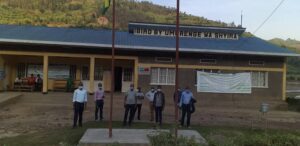
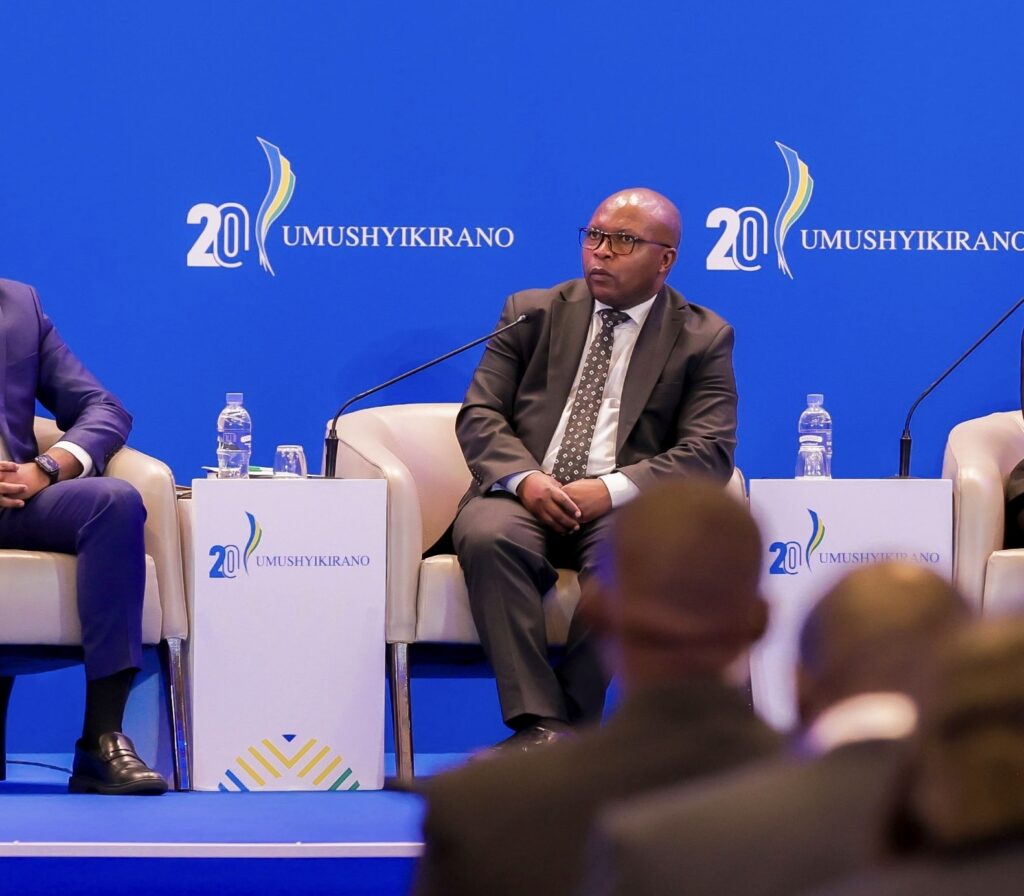
The national dialogue, officially opened by President Kagame, brought together senior government officials and was broadcast nationwide, with physical participation at the Kigali Convention Centre and outreach sites in Ngoma, Nyabihu, Gisagara and Gakenke districts.
Speaking on behalf of dairy farmers, Jean Damascene Niyotwagira commended the Girinka programme for expanding access to cattle ownership but said the artificial insemination initiative was failing to meet expectations due to persistent shortages of semen and delayed infrastructure.
He noted that farmers had been promised a semen processing facility in Kayonza District to serve Ngoma and Kirehe, but the project has yet to be implemented, leaving farmers uncertain about when services will improve.
In response, President Kagame asked the agriculture minister to clarify whether the ministry was aware of the problem and why the equipment required to store and manage semen had not been secured on time.
Dr Ndabamenye acknowledged the delays, saying the ministry is aware of the challenge and that procurement of the equipment had been planned under a project implemented in partnership with the International Fund for Agricultural Development (IFAD), but had not yet been completed.
President Kagame questioned why the matter had taken so long to address, noting that the issue appeared to have been considered only recently despite its long-standing impact on farmers.
Later, during a broader session reviewing the state of the economy—particularly agriculture, mining and private sector development—Dr Ndabamenye said the government had introduced interim measures to improve access to artificial insemination services.
He said Rwanda currently has about eight facilities capable of supplying semen to farmers and added that the programme has expanded beyond cattle to include pigs, where artificial insemination is already delivering results.
The concerns raised by farmers also included a call for government subsidies for livestock keepers, similar to those provided to crop farmers, particularly for modern animal feed, water storage facilities to cope with dry seasons and veterinary drugs, whose high cost continues to burden farmers.
Umushyikirano is a national platform that brings together Rwandans at home and abroad to assess development progress, identify challenges and review the implementation of national development priorities.