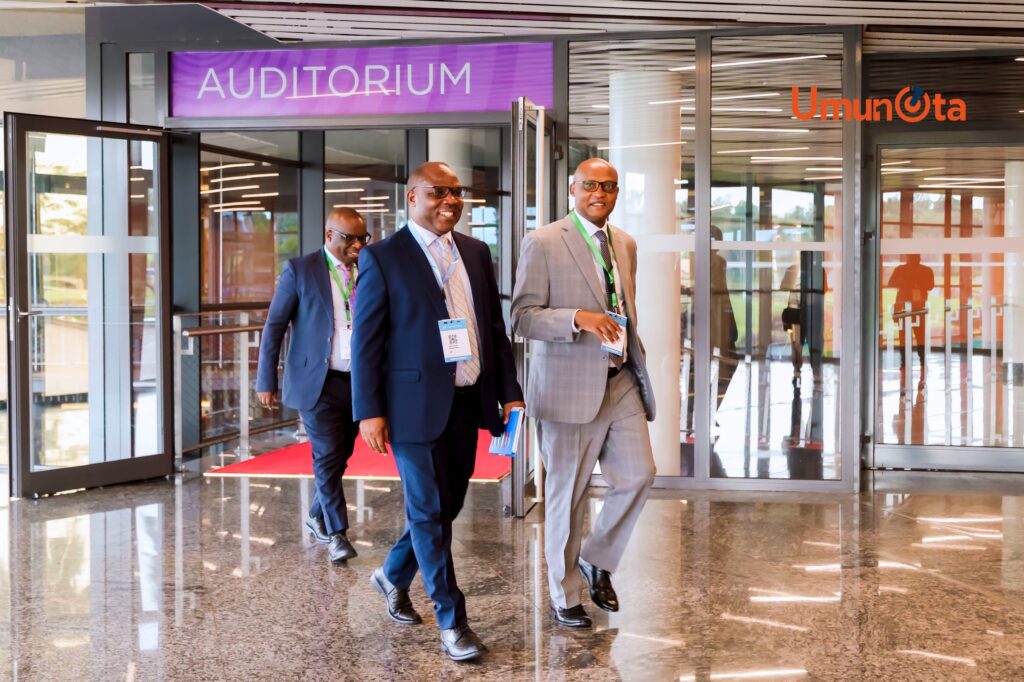
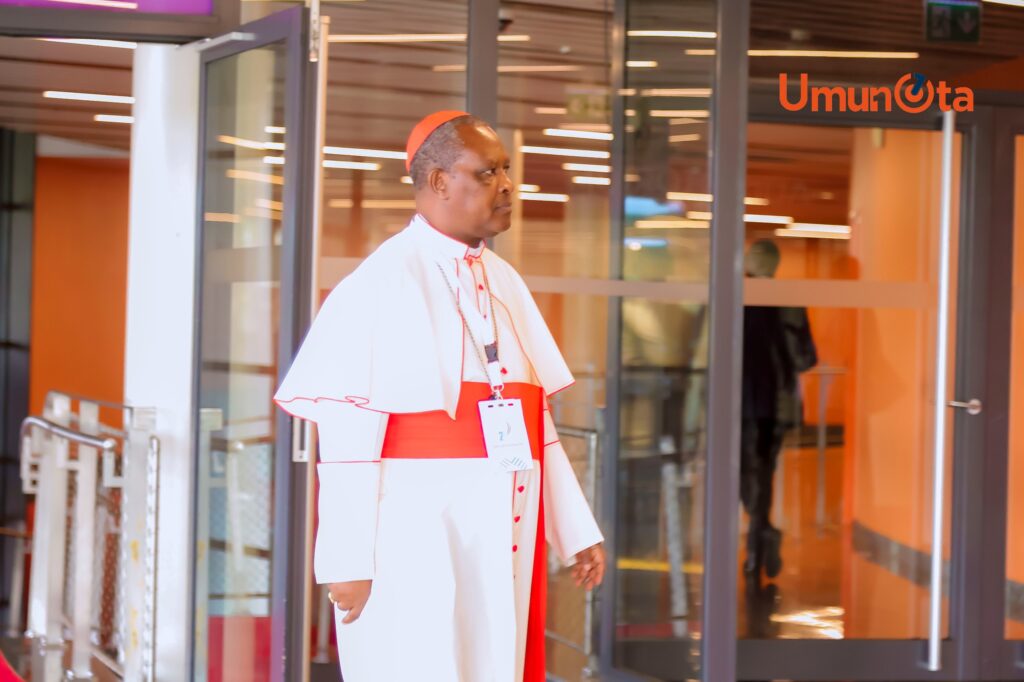
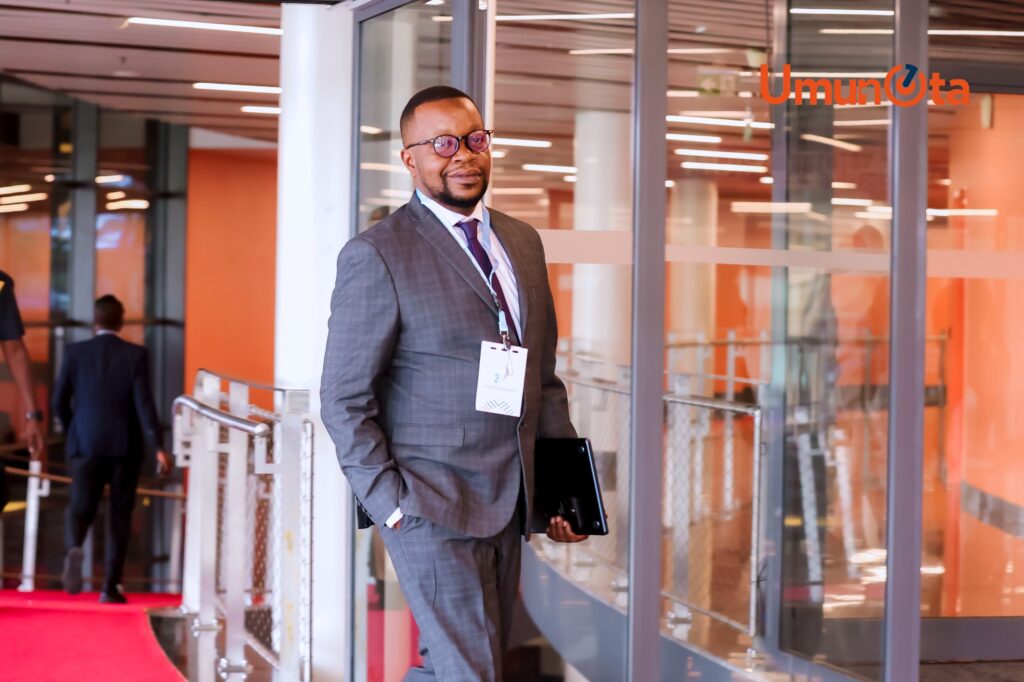
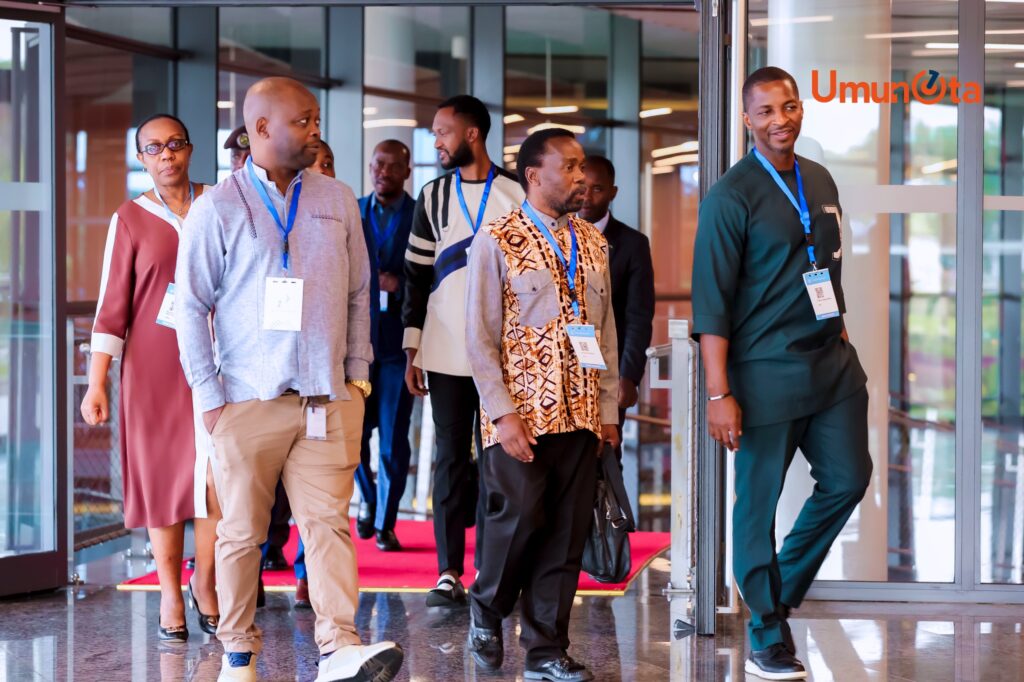
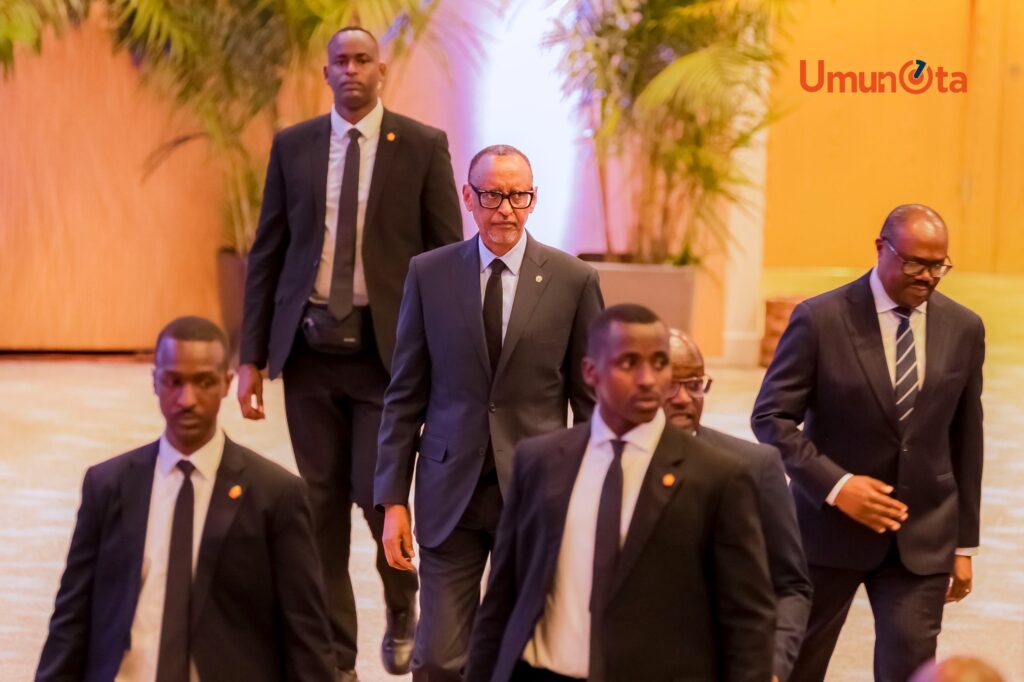
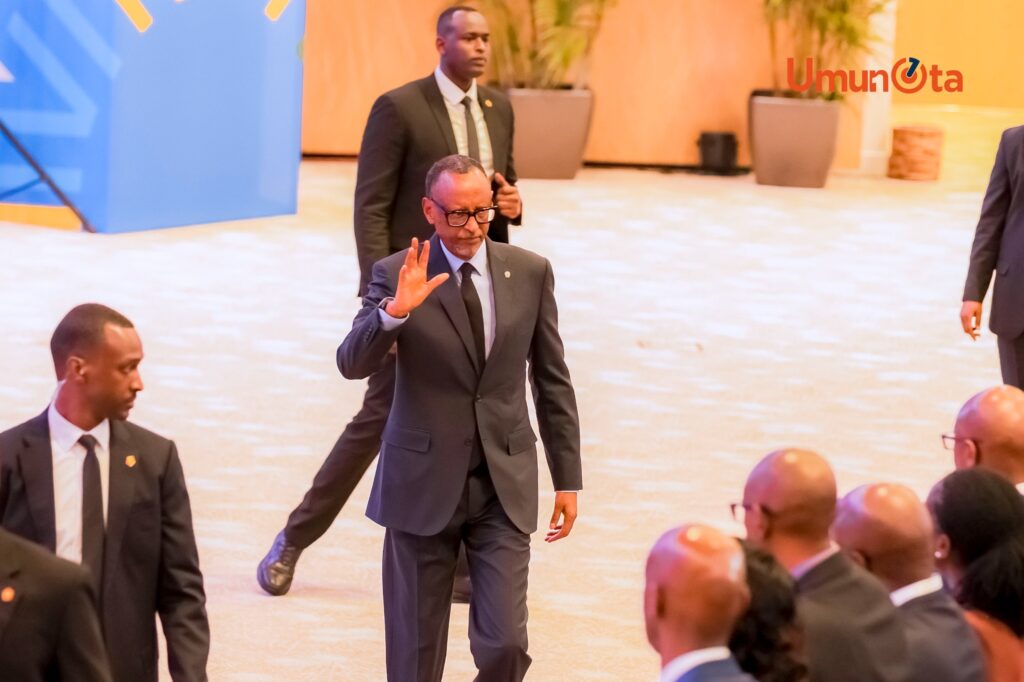
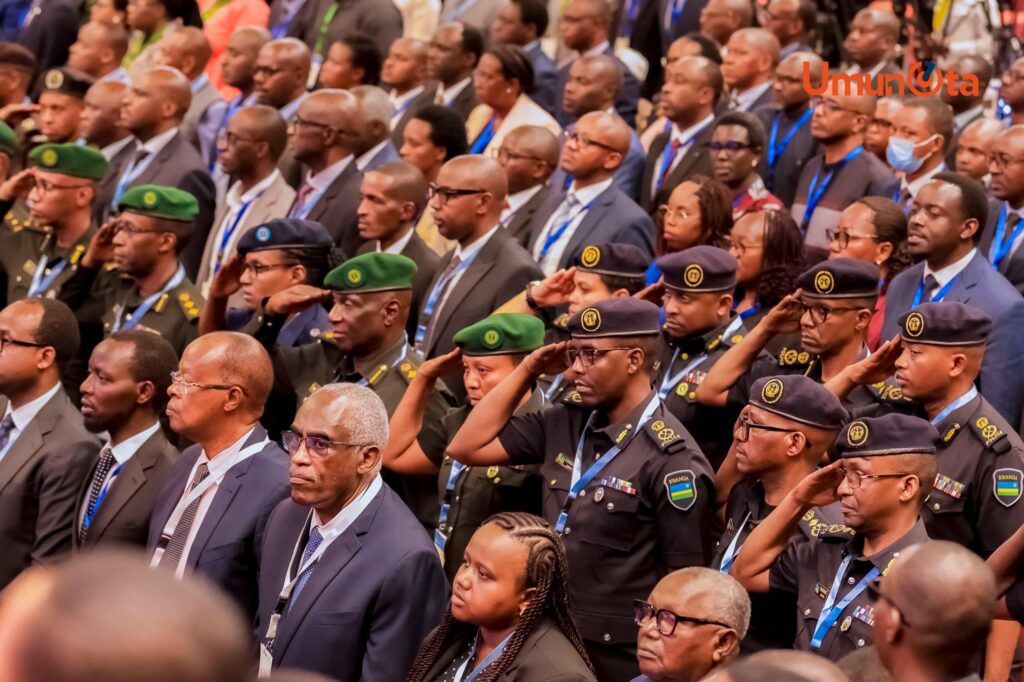
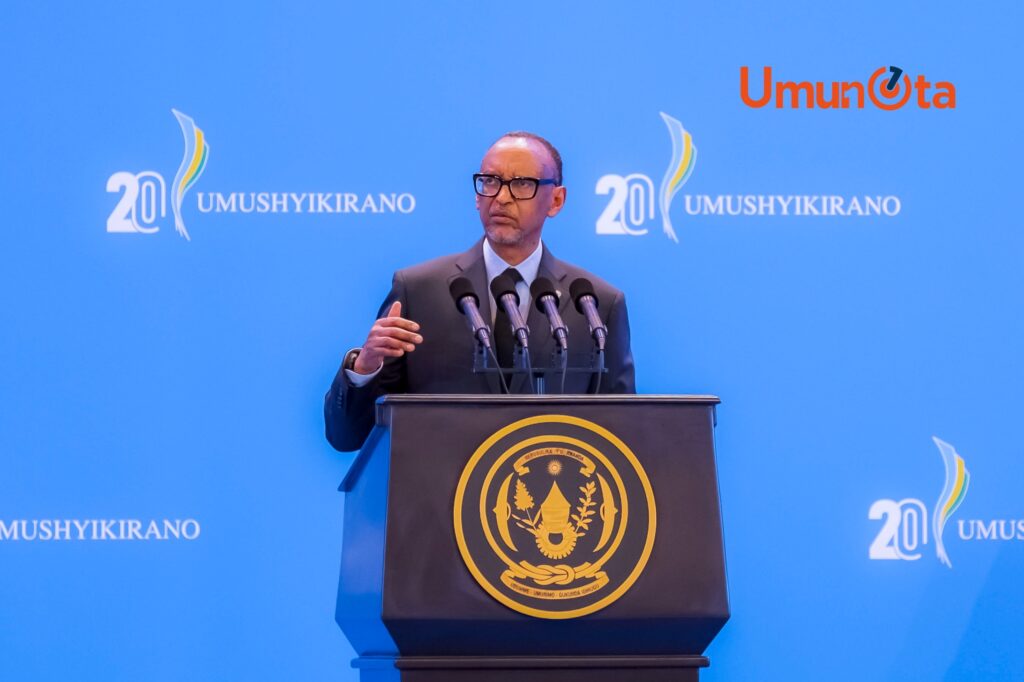
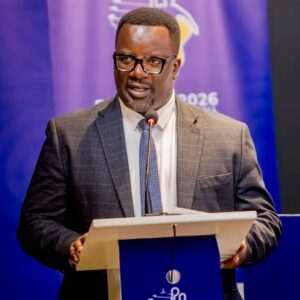
The first day of the 20th National Dialogue Council (Umushyikirano) opened on February 5, 2026, at the Kigali Convention Centre, with discussions centred on governance, regional relations, economic performance and Rwanda’s long-term development priorities.
The annual forum brought together citizens, senior government officials and leaders from various sectors to contribute to national policy dialogue. While the main session was held in Kigali, citizens also participated from outreach sites in Ngoma, Nyabihu, Gisagara and Gakenke districts.
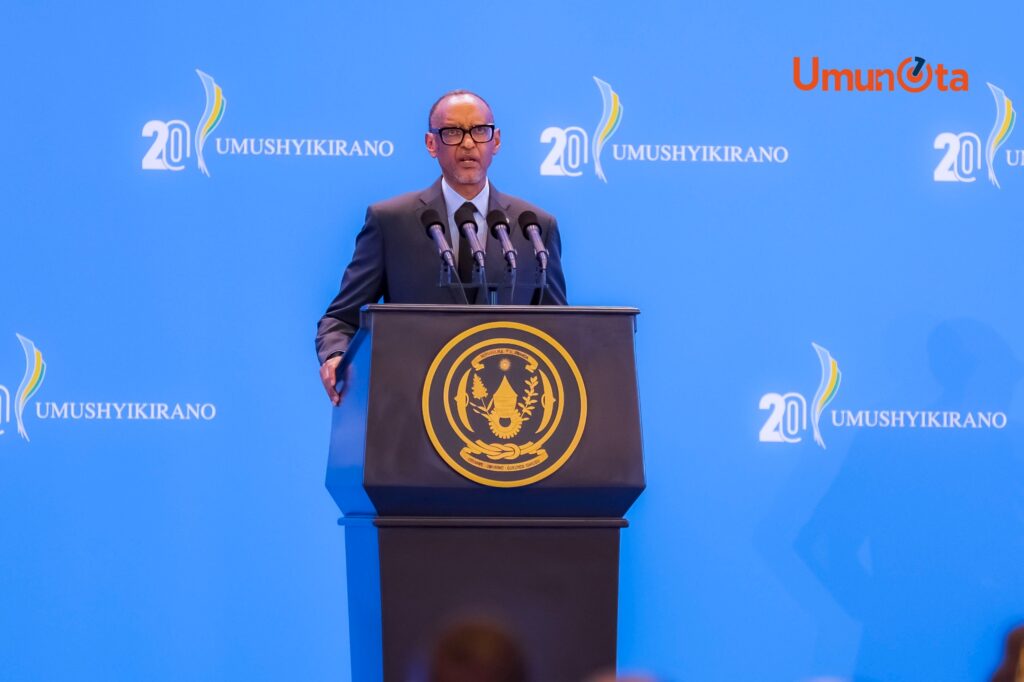
In his opening address, President Paul Kagame emphasised the need for stronger coordination and accountability within public institutions, warning that weaknesses in leadership and oversight continue to undermine development outcomes and disadvantage citizens.
He underscored that public leadership carries clear responsibility for the effective use of national resources, stressing that accountability must be consistent and non-negotiable across institutions. The President pointed to recurring coordination failures that result in poorly designed or delayed projects, reducing their intended impact.
He also criticised situations where citizens engaged in development projects are not paid on time while project managers continue to receive salaries, describing the practice as unacceptable and calling for firm corrective action.
Regional relations, particularly between Rwanda and the Democratic Republic of Congo (DRC), featured prominently during the session. President Kagame reiterated that the conflict in eastern DRC did not originate from Rwanda but stems from internal and regional dynamics within Congo.
He rejected claims linking Rwanda to the illegal exploitation of Congolese minerals, arguing that such allegations are inconsistent with economic realities. The President maintained that Rwanda’s primary security concern in eastern DRC remains the continued presence of genocide-linked armed groups, including the Interahamwe, which he said pose a direct threat to Rwanda’s national security and have previously been integrated into Congolese armed structures.
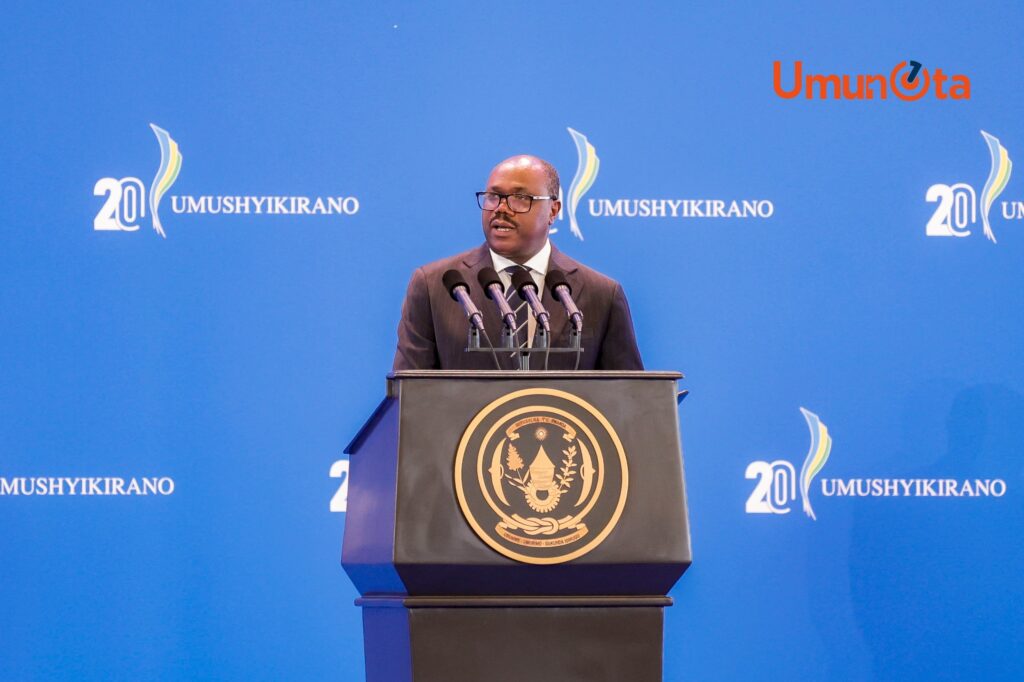
Prime Minister Dr Justin Nsengiyumva presented an overview of Rwanda’s economic performance under the second National Strategy for Transformation (NST2), highlighting progress in tourism, trade and investment.
He reported that meetings, incentives, conferences and exhibitions (MICE) tourism generated USD 108 million in the 2024–2025 period, up from USD 95 million previously, though still below the NST2 target of USD 224 million. Overall tourism revenues reached USD 647 million in 2024, compared to USD 620 million in 2023, against a long-term target of USD 1.5 billion.
The Prime Minister said government investments in tourism infrastructure, including the new Kigali International Airport, alongside strengthened private sector partnerships, are expected to accelerate growth. He cited major international events hosted in Rwanda, such as the UCI Road World Championships and global boxing competitions, as contributors to the country’s rising international profile.
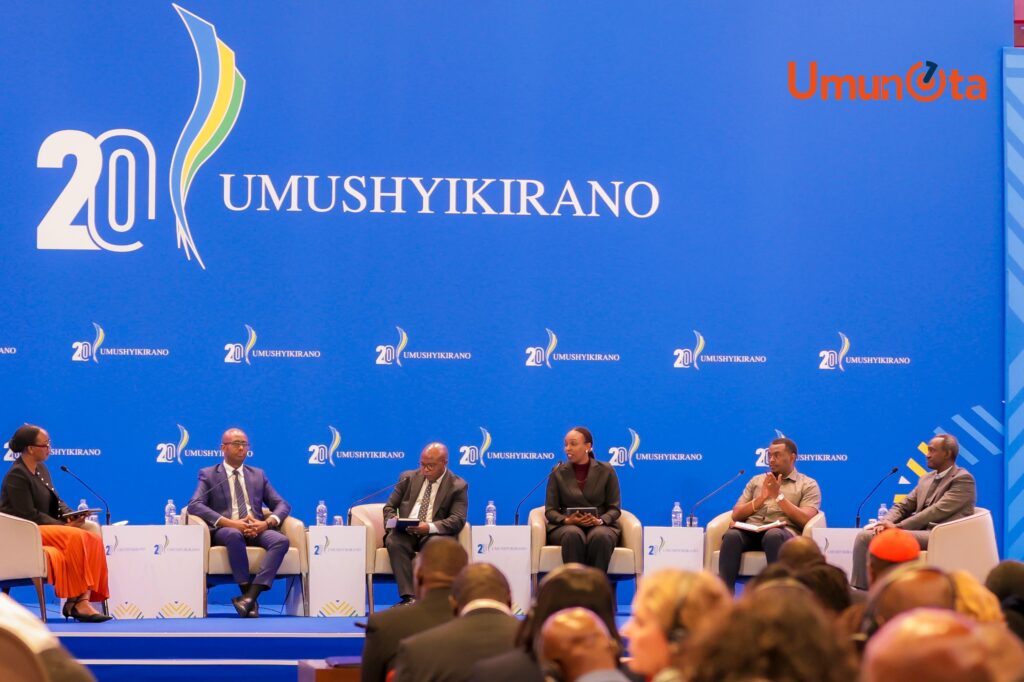
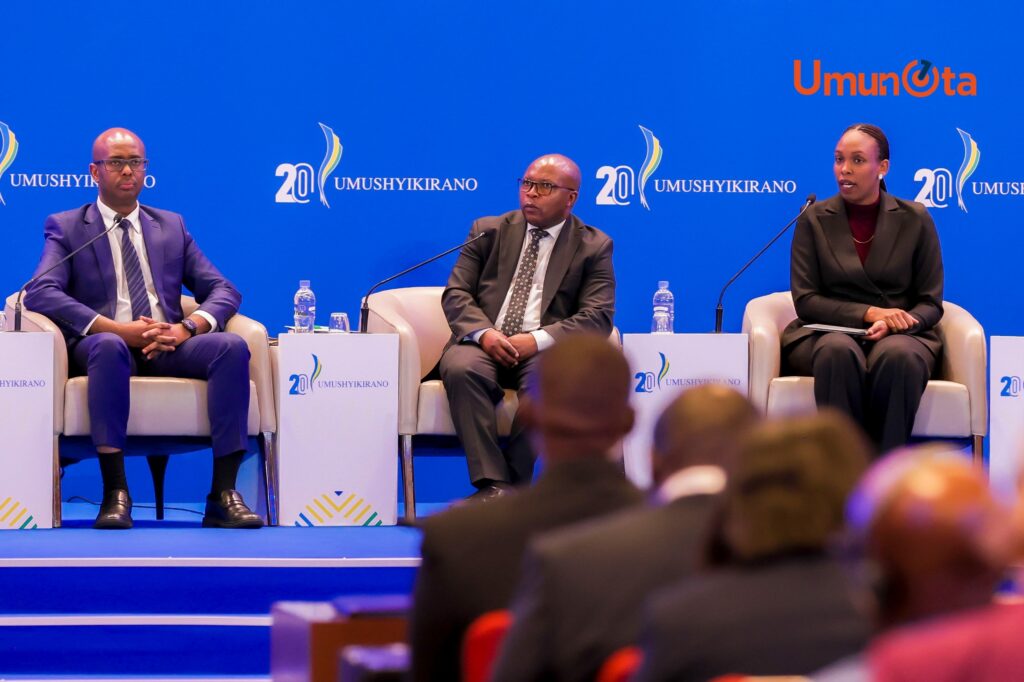
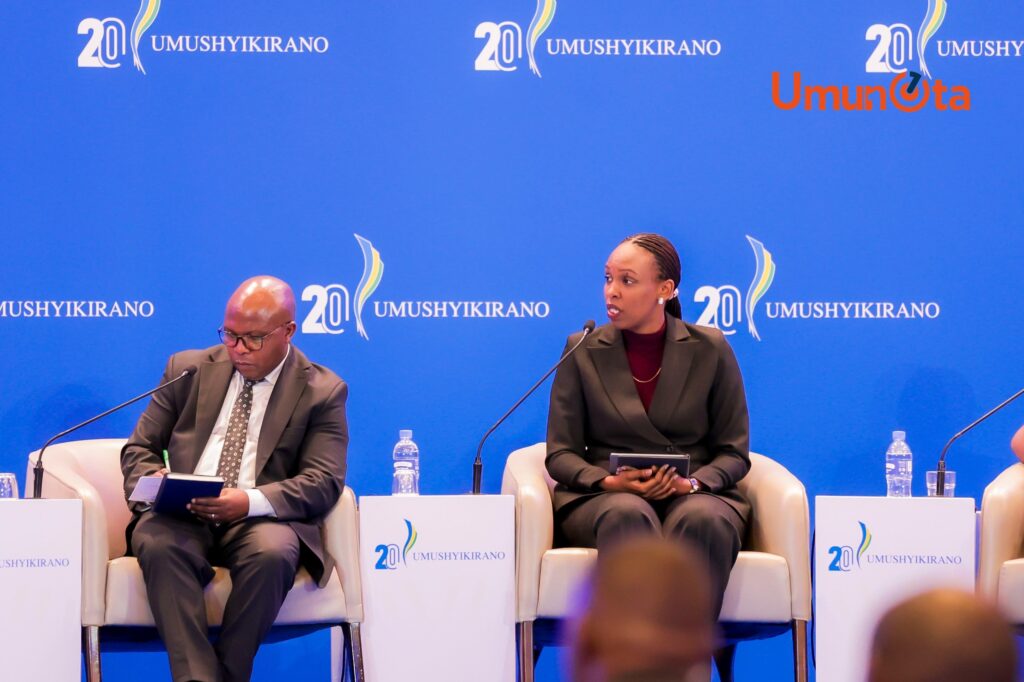
A high-level panel discussion on driving sustainable development brought together leaders from finance, agriculture, mining, investment and statistics institutions.
Finance and Economic Planning Minister Yusuf Murangwa highlighted persistent coordination gaps among public institutions, identifying them as a major cause of underperforming public investments.
Agriculture Minister Dr Telesphore Ndabamenye said agricultural transformation efforts are focused on productivity, climate resilience and targeted investment in inputs, land use and value chains. He noted growing international demand for Rwandan avocados and encouraged farmers to tap into emerging export opportunities.
The Chief Executive Officer of the Rwanda Mines, Petroleum and Gas Board, Alice Uwase, said Rwanda has close to a century of mining experience and that mineral deposits are found in more than 80 per cent of districts, including areas around Kigali.
She said Rwanda supplies about 31 per cent of global tungsten output, ranking first in Africa and fourth worldwide, while approximately 22 per cent of coltan used globally originates from Rwanda. The mining sector employed over 92,000 people last year and generated more than Frw 129 billion in tax revenues.
National Institute of Statistics of Rwanda Director General Ivan Murenzi highlighted social progress achieved through performance contracts, citing improvements in maternal health and health insurance coverage. He said facility-based deliveries increased from 27 per cent in 2000 to 98 per cent today, while health insurance coverage now exceeds 90 per cent.
The session concluded with submissions from citizens across the country, raising issues including delays in the livestock artificial insemination programme, irrigation expansion in Ngoma District and the rehabilitation of feeder roads such as Sake–Mugesera.
Infrastructure Minister Dr Jimmy Gasore said the government is improving unpaved roads by upgrading drainage systems and applying laterite surfacing to enhance market access. He also outlined plans to expand sports roads, including new routes in areas such as Rebero.
The National Dialogue Council continues as a platform for citizens and leaders to jointly assess progress, address challenges and shape Rwanda’s development agenda.