The Minister of National Unity and Civic Engagement, Jean-Damascène Bizimana, has called on young Rwandans living in Europe to resist false narratives about Rwanda spread by individuals seeking to deny or trivialize the Genocide against the Tutsi and promote its ideology.
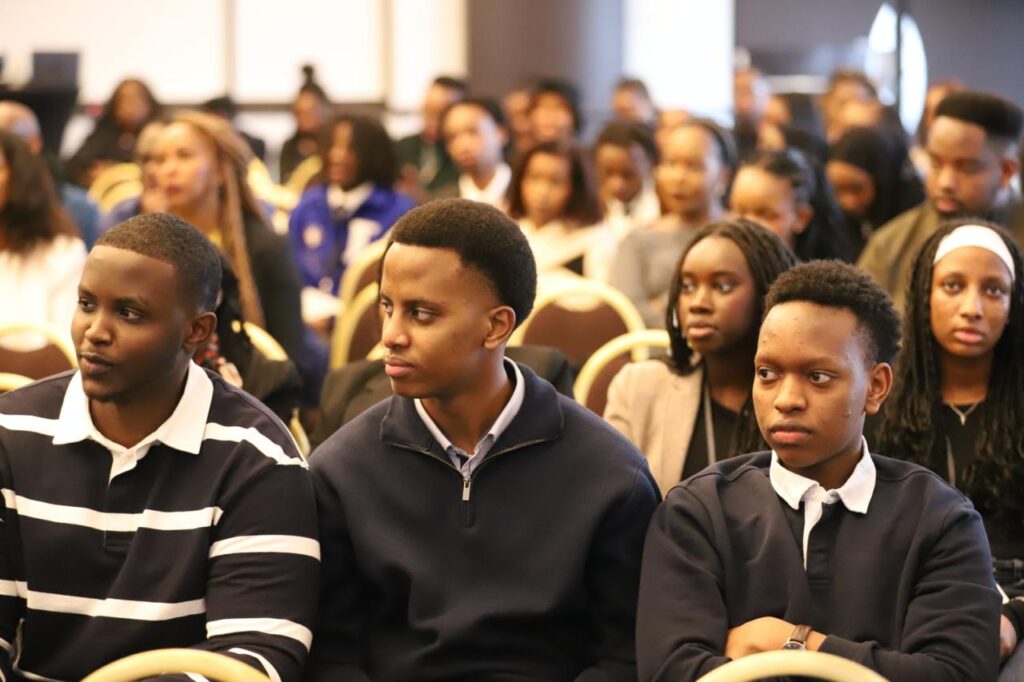
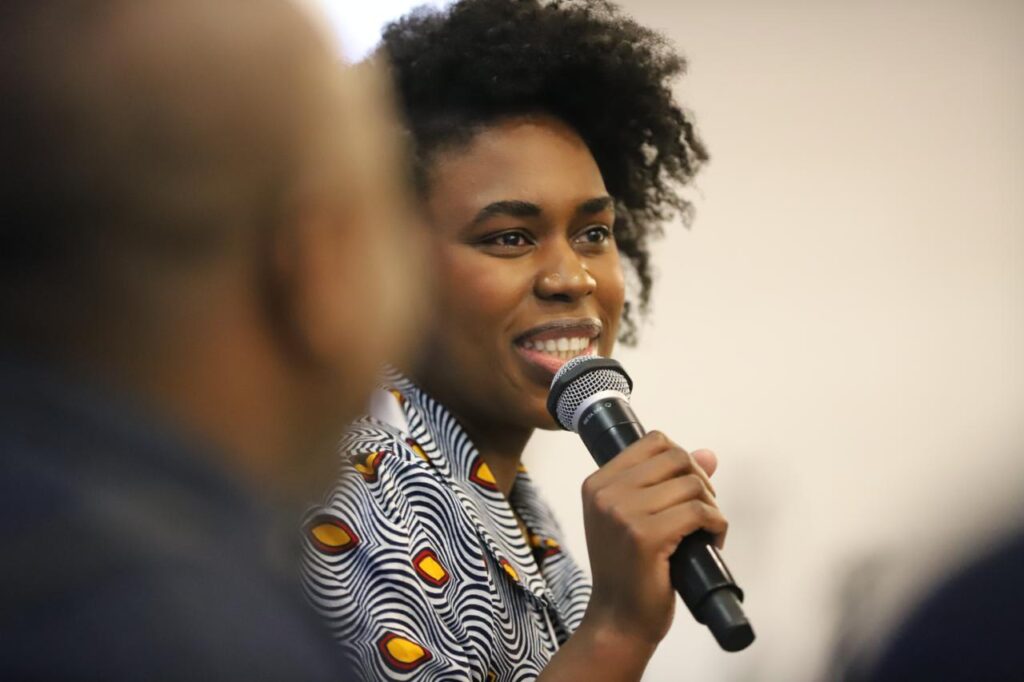
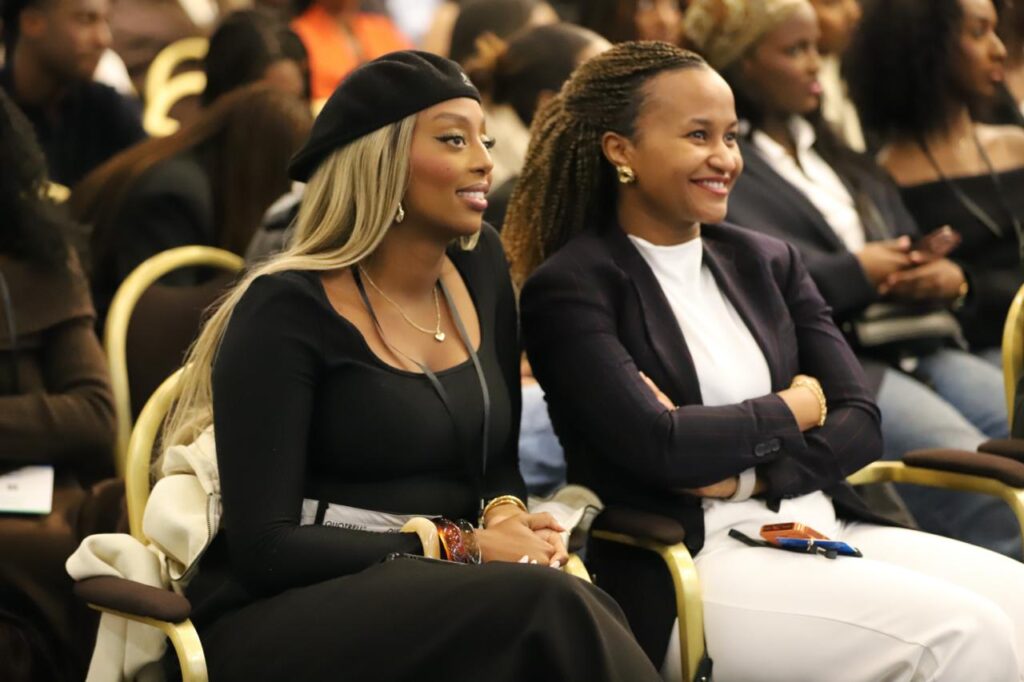
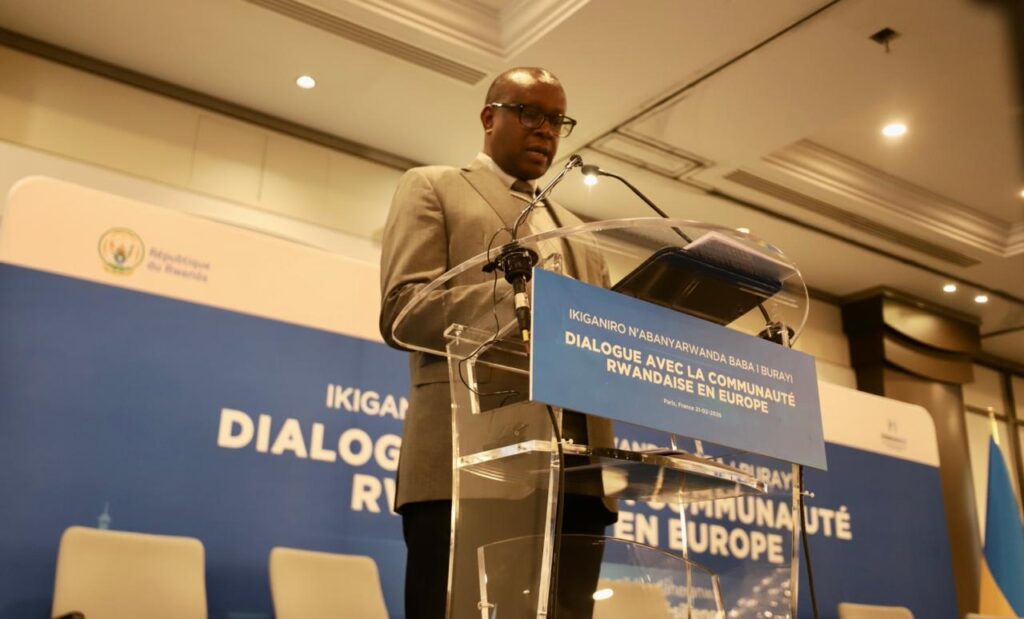
Dr Bizimana delivered the message on February 21, 2026, in Paris, where he met more than 500 participants, predominantly youth, from across Europe for a dialogue focused on unity and resilience.
He said the gathering was designed to foster meaningful discussions that contribute to nation-building and strengthen ties between the diaspora and their homeland.
“We are not here to offer words alone,” he told participants. “We have come with concrete actions that respond to your concerns, expectations, aspirations and challenges. These are meant to guide your choices today and in the future, and to reinforce your connection to Rwanda, your country of origin.”
The minister expressed concern over the growing spread of misinformation about Rwanda on social media, including content shared by some members of the diaspora that seeks to distort history and downplay the Genocide against the Tutsi.
“The major challenge facing young people abroad is the widespread dissemination of falsehoods about Rwanda by fugitives responsible for the Genocide, deniers and their supporters who exploit social media platforms,” he said. “Some of them may even be your parents or relatives. Do not become prisoners of their lies, their hatred or their divisive ideology.”
Dr Bizimana underscored that criminal responsibility is individual, not collective.
“Crime is personal; it is not inherited by families. Rwanda belongs to all of us. The history of the Genocide against the Tutsi taught us that our unity is inviolable. Let us protect it with conviction and love for our country, its future and the generations that will follow, today, tomorrow and always.”
He further emphasized that Rwanda’s guiding principle is to ensure that all citizens live together without discrimination.
“The truth about today’s Rwanda,” he said, “is that it serves all Rwandans equally, regardless of the background or social category into which one is born.”