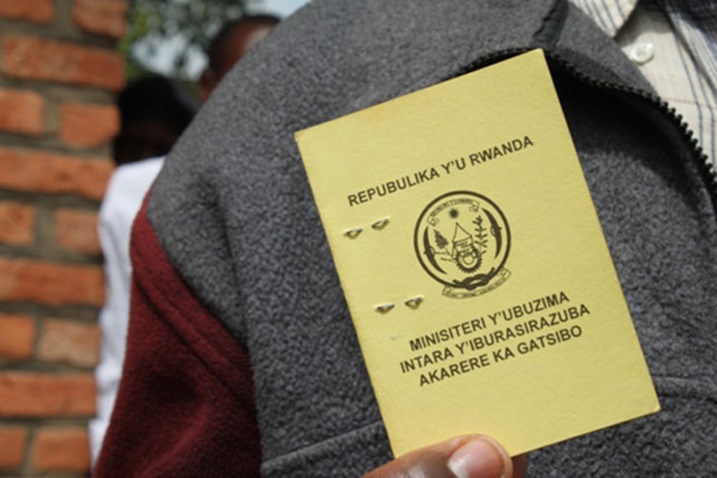
After more than 25 years of implementation, Rwanda’s Community-Based Health Insurance scheme, Mutuelle de Santé, is entering a new reform phase marked by expanded medical coverage and revised annual contributions aimed at strengthening its long-term sustainability.
Launched as a pilot in 1999 and rolled out nationwide in the mid-2000s, Mutuelle was formalized into law in 2007, making health insurance mandatory for every Rwandan. Over time, the scheme has become a pillar of Rwanda’s universal health coverage model, with more than 80 percent of the population enrolled through Mutuelle and other insurance mechanisms.
For much of its early years, Mutuelle focused on primary healthcare services — treatment of common illnesses, maternal health services, vaccinations, and basic outpatient and inpatient care. The approach significantly reduced out-of-pocket spending and improved healthcare utilization, especially among low-income households.
As Rwanda’s economy grew and the burden of non-communicable diseases increased, pressure mounted to widen the benefits package beyond basic care.
In late 2023, the Ministry of Health, in collaboration with the Ministry of Finance and Economic Planning, initiated discussions to expand coverage to more complex and costly conditions. The reform resulted in the addition of 14 new services under Mutuelle.
These include cancer treatment, kidney dialysis for patients with renal failure, cardiac surgeries, neurosurgical procedures, and advanced orthopedic care. The expansion allows beneficiaries to access life-saving specialized treatment that previously required substantial out-of-pocket payments.
Health sector officials argue that the move protects families from catastrophic health expenditure — preventing situations where households sell property or incur heavy debts to finance medical care.
However, expanding coverage for high-cost diseases comes with significant financial implications. Treating cancer, heart disease, or chronic kidney conditions requires advanced medical equipment, highly trained specialists, and sustained funding.
To reinforce the scheme’s financial base, the Rwanda Social Security Board (RSSB) revised annual contribution rates through a Prime Minister’s Order issued on February 16, 2026 — marking the first major adjustment in more than two decades.
Under the new structure:
- Category One (the most vulnerable unable to work) will contribute Rwf4,000 per person annually, fully paid by the Government.
- Category Two (vulnerable but able to work) will pay Rwf3,000 per person annually, with an additional Rwf1,000 subsidized by the Government.
- Category Three members will contribute Rwf5,000 per person annually.
- Category Four (earning up to Rwf120,000 per month) will pay Rwf8,000 per person annually.
- Category Five (earning above Rwf120,000 per month) will contribute Rwf20,000 per person annually.
The highest annual contribution now stands at Rwf20,000 per person, targeting higher-income earners in a move designed to strengthen equity while improving the scheme’s financial sustainability.
The revised contribution model reflects a broader policy direction: maintaining wide healthcare access while ensuring that the system can finance an increasingly sophisticated package of services.
As Mutuelle marks 25 years, the reform signals a transition from a primary healthcare-focused safety net to a more comprehensive insurance scheme capable of supporting advanced medical interventions — a critical step in consolidating Rwanda’s universal health coverage ambitions.