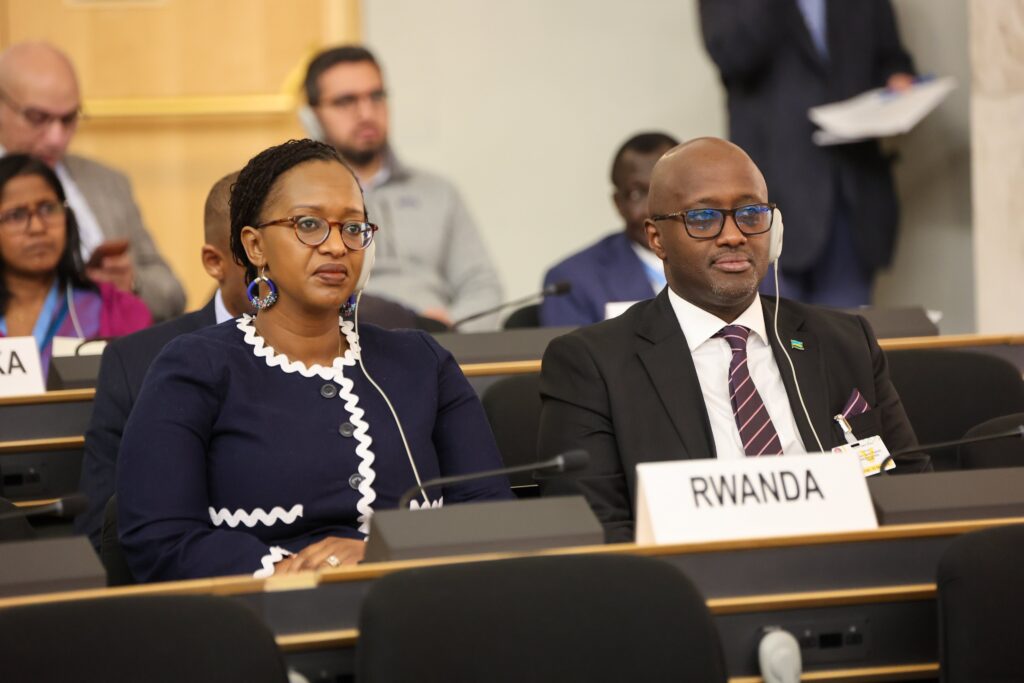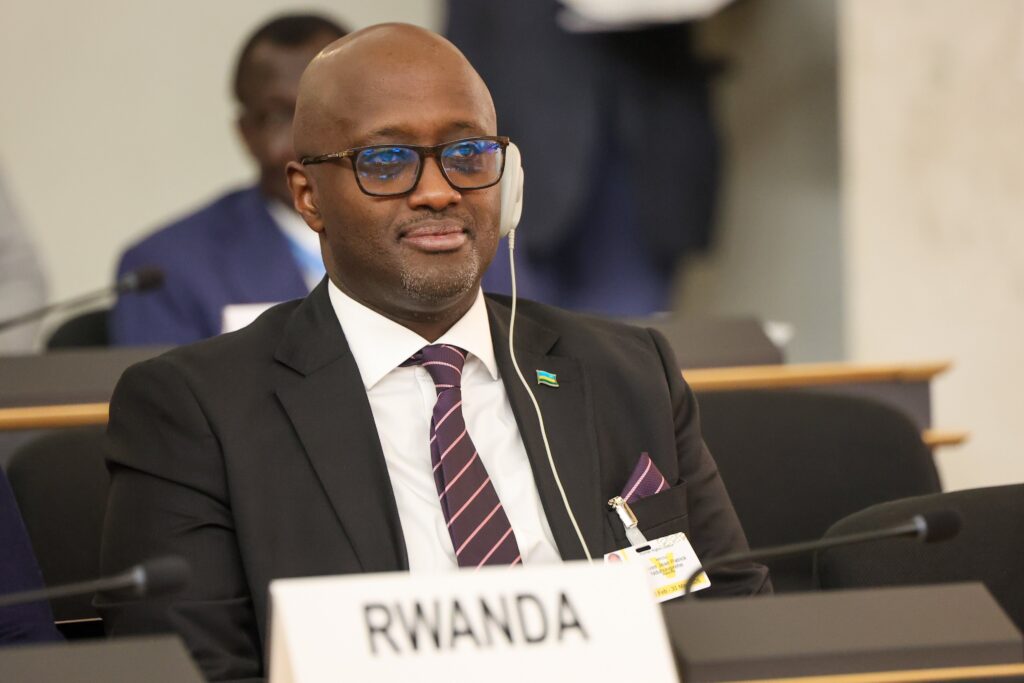
Rwanda’s Minister of Foreign Affairs and International Cooperation, Olivier Nduhungirehe, has warned that genocide ideology and hate speech are resurging in the Great Lakes region, particularly in eastern Democratic Republic of the Congo, calling for urgent and decisive international intervention.
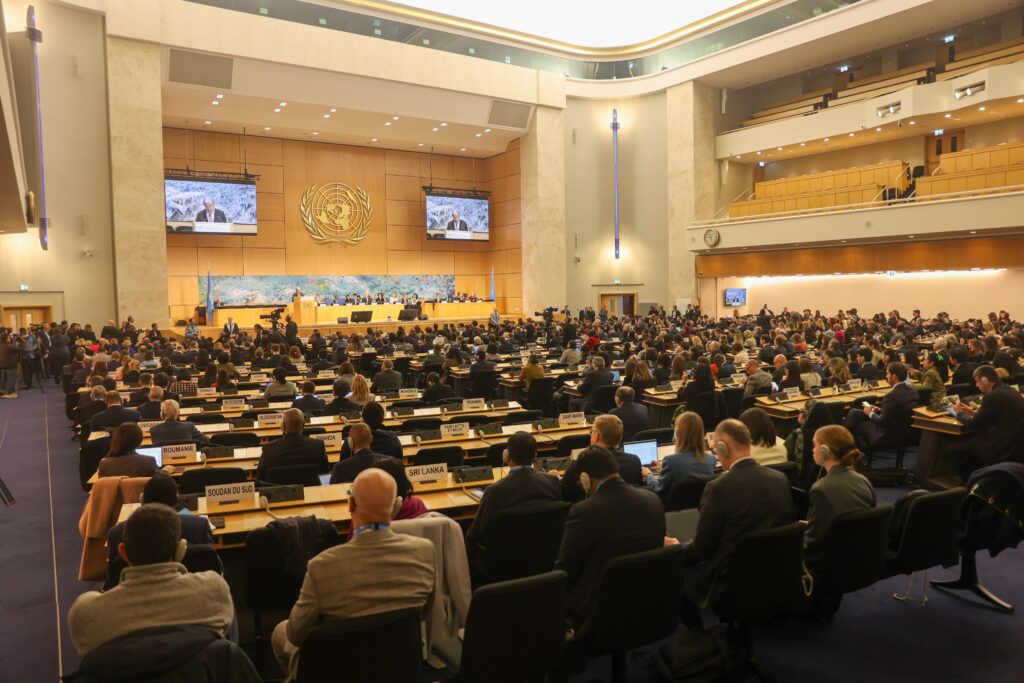
Speaking on February 23, 2026, at an international conference on combating discrimination held in Switzerland, Nduhungirehe cautioned that hate speech, when left unchecked, evolves from rhetoric into a catalyst for violence.
“History has taught us that hate speech is never just words,” he said. “When it is tolerated, normalized, or manipulated for political ends, it becomes the spark that ignites violence.”
The minister referenced the Durban Declaration adopted 25 years ago to strengthen global cooperation against racism and discrimination, noting that despite such commitments, identity-based hatred and violence continue to persist.
He singled out the continued presence of the FDLR in eastern DR Congo as evidence that genocide ideology has not been eradicated. The armed group, founded by perpetrators of the 1994 Genocide against the Tutsi and sanctioned by the United Nations, remains active in the region.
“Genocide ideology did not end in 1994,” Nduhungirehe stressed. “It was reorganized, concealed, and has resurfaced in eastern DR Congo. The continued existence of the FDLR demonstrates how impunity allows destructive ideologies to survive and spread across generations.”
Drawing parallels with Rwanda’s own history, he warned that the normalization of hate speech in the Great Lakes region is fueling cycles of conflict and humanitarian crises.
“We are witnessing dangerous narratives spreading once again in our region, particularly in eastern DR Congo, where hate speech remains one of the root causes of recurring instability,” he said.
Nduhungirehe urged the international community to move beyond statements and take concrete action, warning that silence and indifference embolden those who weaponize ethnicity and dehumanization.
The remarks come amid renewed diplomatic tensions between Kigali and Kinshasa. DR Congo has accused Rwanda of backing the AFC/M23 rebel movement — allegations Rwanda denies. Kigali, in turn, accuses DR Congo of collaborating with the FDLR, which it views as a direct security threat.
As regional instability deepens, Rwanda is calling for stronger global resolve to confront hate speech and genocide ideology before they escalate into wider violence.