Senators have raised concerns over a sharp increase in complaints from residents affected by wildlife leaving national parks and damaging property. Between 2024 and 2025, reported incidents rose nearly 30%, reaching 15,000 complaints, up from 10,000 the previous year.
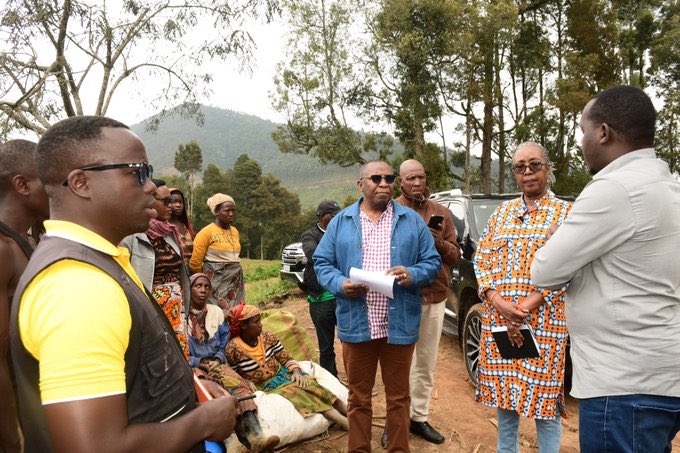
On 3 March 2026, the Senate’s Foreign Affairs, Cooperation, and Security Committee began field inspections to assess measures aimed at preventing wildlife from harming communities.
The committee focused on districts most affected by these incidents, including Gatsibo and Nyagatare bordering Akagera National Park, Rusizi, Nyaruguru, and Nyamagabe near Nyungwe National Park, as well as Musanze and Nyabihu near Volcanoes National Park and Rutsiro near Gishwati-Mukura National Park.
Murangwa N. Hadija, chairperson of the committee, said the senators are taking an active role after noticing the growing number of complaints. “We cannot simply sit back and watch. It is our duty to represent the people, visit the affected areas, and engage with residents to understand the challenges they face,” she said.
Efforts to curb wildlife incursions include constructing protective fencing around parks such as Akagera and building elevated barriers to separate farmland from wildlife habitats.
Florance Nibakure, acting director of the Special Rescue Fund, said that as part of a long-term solution, 12 kilometers of fencing have already been installed out of a planned 44 kilometers in Mahama and Mpanga sectors near the Akagera River.
Nibakure added that similar measures will be extended to Bugeshi sector in Rubavu District and Kabatwa sector in Nyabihu District near Volcanoes National Park, areas that regularly experience wildlife encroachment.