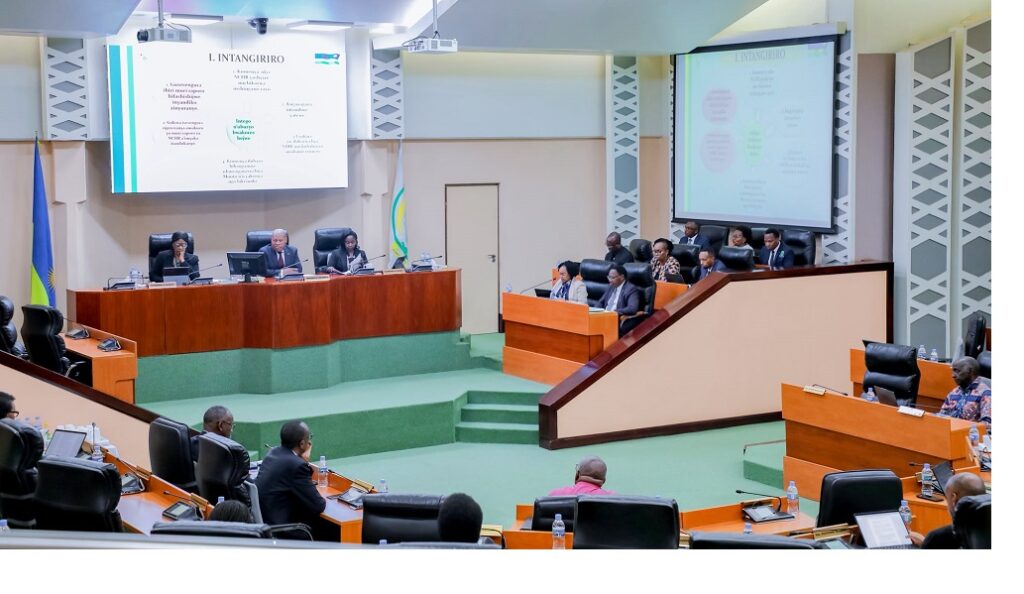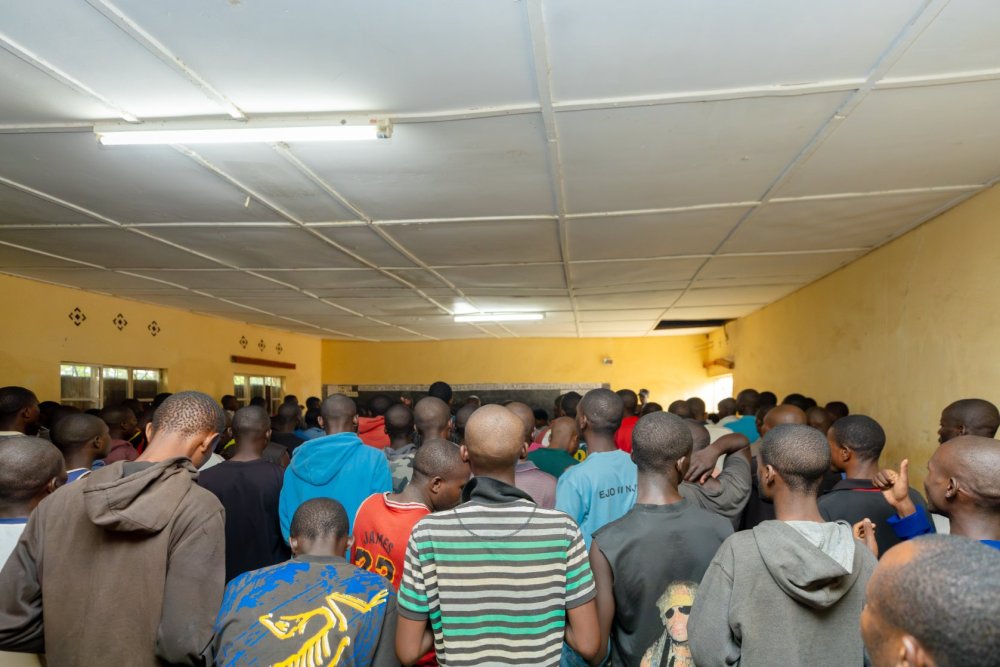
The Senate has raised fresh concerns over unlawful detention and human rights violations in Rwanda’s transit centers, revealing that some detainees are held beyond the legally permitted period.
The issue emerged on March 4, during a plenary sitting that reviewed the 2024–2025 annual activity report of the National Commission for Human Rights. Lawmakers warned of persistent gaps in the management of transit centers, including cases where individuals overstay the maximum two-month limit set by law.
Senator Umuhire Adrie, Chairperson of the Senate Committee on Social Affairs and Human Rights, said the committee established that some detainees remain in transit centers longer than legally allowed.
“By law, a person admitted to a transit center for rehabilitation should not exceed two months. However, we found cases where this timeframe is not respected,” she told the plenary.
Transit centers are designed as short-term rehabilitation facilities, offering civic education and behavioral reform programs before reintegration into society. But senators argued that operational shortcomings are undermining this objective.
Senator Dr. Frank Habineza said the findings reveal “multiple challenges that require urgent attention to safeguard human rights.”
His colleague, Senator Gasana Alfred, questioned the transfer of individuals suspected of criminal offences to transit centers instead of the formal justice system.
“The report indicates that some people taken to transit centers are suspected of offences punishable under Rwanda’s penal code, including theft, illegal border crossing and unlawful mining,” he said. “Such cases should be handled through investigation, prosecution and trial — not rehabilitation facilities.”
He called for clearer categorization of detainees to ensure suspects of criminal acts are processed through competent judicial institutions.
Senator Umuhire said the Senate will follow up on previous recommendations to assess whether authorities are implementing corrective measures.
“If overstays persist, we will revisit the resolutions previously issued and evaluate their implementation,” she said.
Mixed experiences from detainees
Interviews with detainees and former detainees at Tongati Transit Center in Karongi District reveal mixed experiences.
Mukeshimana Sandrine, 18, said she was arrested in February during a security operation and spent two months at the facility. She credited the civic education provided at the center for helping her change her behavior.
“I am no longer the same person I was before. The lessons helped me transform,” she said.
However, she alleged that some basic needs, including adequate food and hygiene materials, were not consistently provided.
Another former detainee, who requested anonymity, said he was detained for one week in 2025 after being arrested during a crackdown on illegal street vending.
“They detained us at the police station overnight and transferred us the next day,” he recounted, adding that he later abandoned the unlawful trade.
Legal provisions
A ministerial order issued on April 26, 2018, by the Ministry of Local Government states that a person admitted to a transit center must not stay for more than two months.
The centers are also mandated to provide tailored support services, including counseling and rehabilitation programs aimed at restoring proper conduct and facilitating reintegration.
Despite the legal framework, senators’ deliberations suggest enforcement gaps remain, prompting renewed parliamentary scrutiny over the protection of detainees’ rights in transit centers.