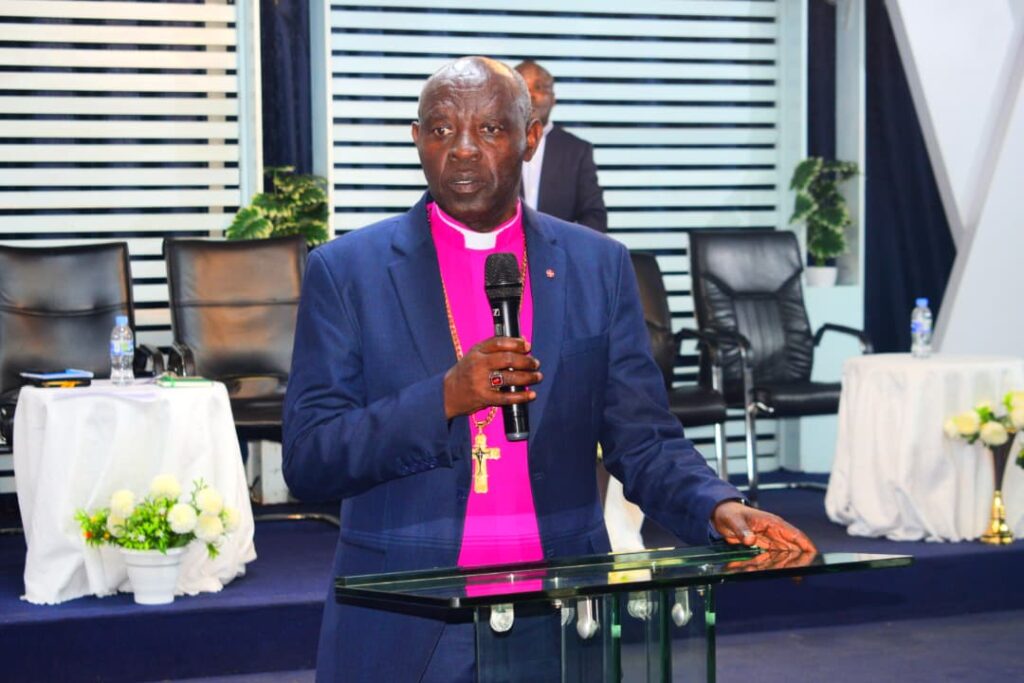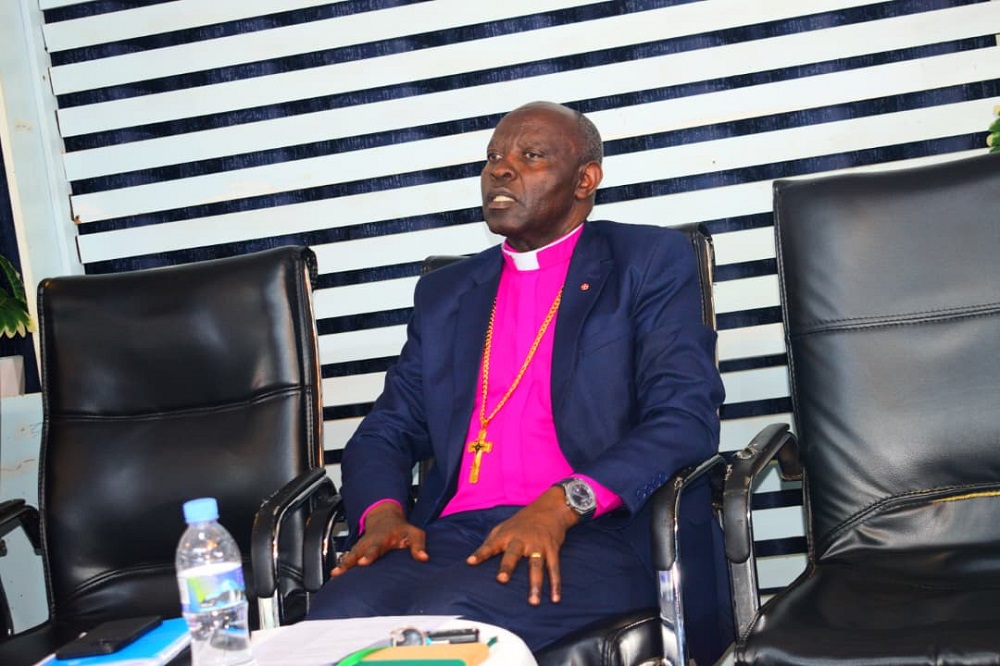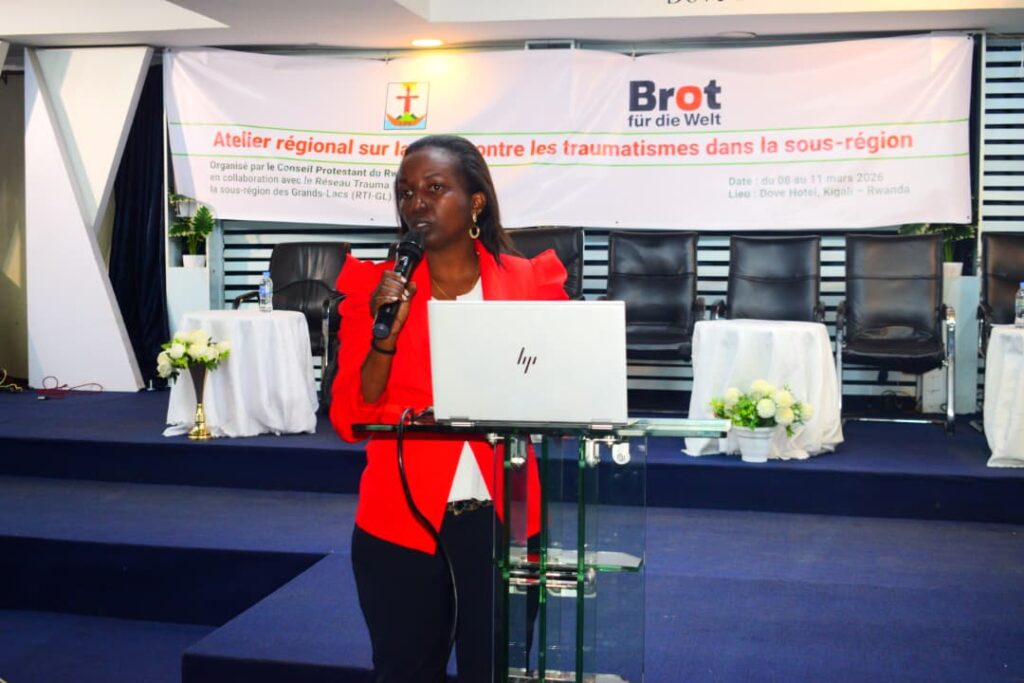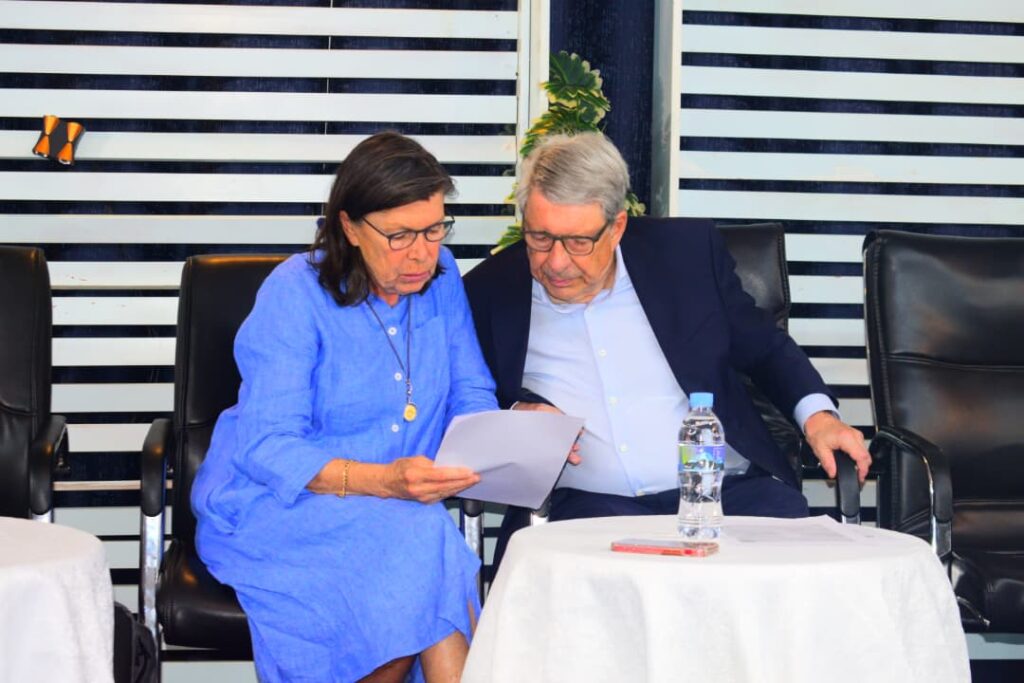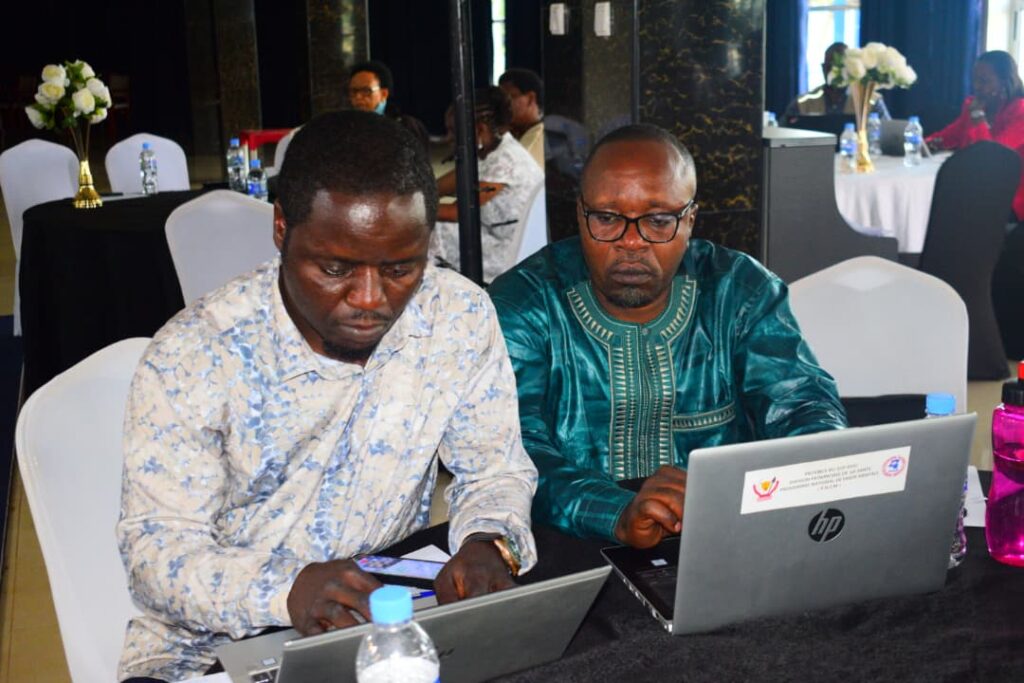
Mental health experts from Rwanda, Burundi and the Democratic Republic of Congo (DRC) have convened in Kigali to discuss how recurring insecurity in the region continues to contribute to growing mental health challenges.
The issue was highlighted on Monday, March 9, 2026, during the opening of a regional conference bringing together professionals working in mental health and psychosocial support. The meeting, which runs from March 9 to 11, 2026, was organized by the Protestant Council of Rwanda (CPR).
Discussions focused on the impact of persistent insecurity in the Great Lakes region and its effects on people’s mental wellbeing. Participants also explored possible strategies to address trauma and psychological distress affecting communities.
The Secretary General of CPR, Rev. Pastor Samuel Mutabazi, said the meeting aims to openly examine trauma-related challenges and identify ways to better support affected populations.
“Our goal is to learn from one another and share experiences, because we all run programmes aimed at addressing trauma and have been working on these issues for some time,” he said. “By joining efforts, we can develop stronger strategies to tackle trauma.”
Mutabazi noted that more than 3,000 people have already received counselling services through centres dedicated to supporting individuals facing mental health challenges.
He added that although cultures across the region may differ, the countries share similar historical experiences, particularly conflicts that have affected communities.
“Our histories are different, but we also share many similarities through culture, trade and language. What matters most is bringing together professionals so that we can exchange knowledge and work collectively to address trauma,” he said.
Adelithe Mukamana, a mental health counselling officer at the Rwanda Biomedical Centre (RBC), said the meeting is significant because it brings together people from neighbouring countries facing similar challenges.
She explained that such discussions help strengthen knowledge on how communities can support trauma recovery.
“Today we have people from the Great Lakes region, which shares a long history marked by conflicts in many places. When problems affect your neighbour, they inevitably affect you as well,” she said.
She added that trauma in one community often affects surrounding communities, making regional collaboration essential.
“When someone close to you is traumatised, it can also affect you. That is why it is important for us to learn together and address these challenges collectively. If we heal together, it will contribute to lasting security not only for Rwandans but for the entire region.”
Donatien Nikuze, an official from the Ministry of National Unity and Civic Engagement (MINUBUMWE) responsible for promoting unity and social cohesion, said trauma remains a concern, particularly during the commemoration period of the 1994 Genocide against the Tutsi.
He acknowledged that Rwanda has made significant progress in healing and reconciliation but noted that the journey is ongoing.
“Rwanda went through extremely difficult times during the Genocide against the Tutsi, but the progress made so far is encouraging,” he said.
Nikuze stressed that mental wellbeing plays a crucial role in overall development.
“When mental health is affected, many aspects of life are disrupted. But when a person is mentally stable, they can think clearly, plan for the future and make sound decisions,” he explained.
The Great Lakes region has experienced repeated conflicts over the years, forcing many people into displacement and exposing communities to numerous challenges, including long-term psychological trauma.