Rwanda is facing two major economic challenges: rising prices and a persistent trade deficit, with imports far exceeding exports. Experts say agriculture could offer a sustainable solution.
Fluctuating global commodity prices, low domestic agricultural productivity, and reliance on imports have pushed local prices to high levels. Developing the agricultural sector, experts say, can stabilize prices, reduce import dependence, and increase export earnings.
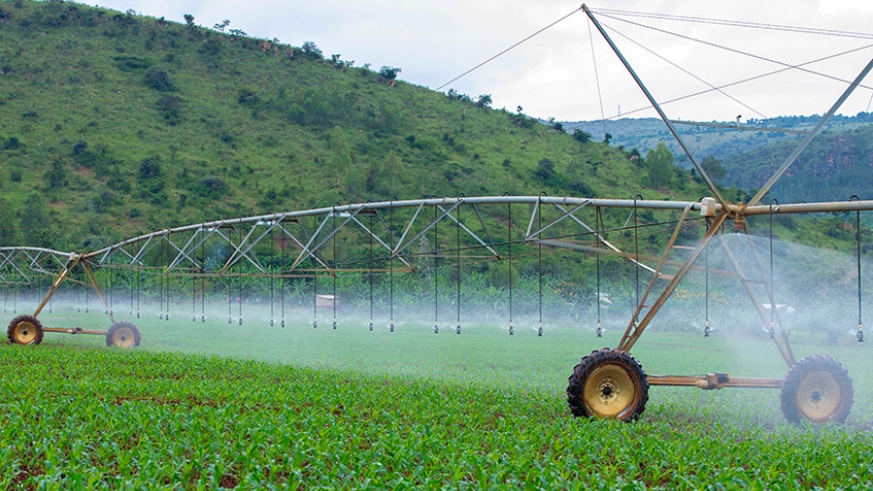
Rwanda has significant opportunities to expand production through irrigation, high-quality seeds, modern fertilizers, and mechanization. Increasing domestic food supply could reduce import costs and help control inflation.
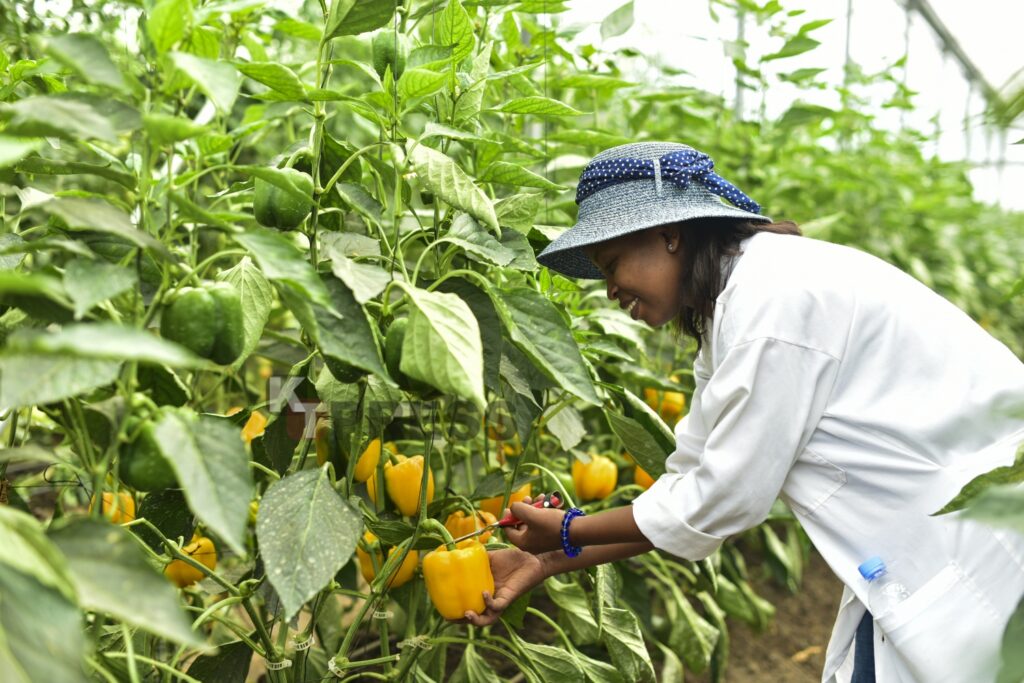
Currently, the country imports processed foods, wheat, rice, cooking oil, and fertilizers, while exports remain limited to coffee, tea, minerals, fruits, and vegetables. Expanding export-oriented crops such as avocados, macadamia, and horticultural produce, along with investment in agro-processing, could boost export revenues and add value to domestic production.
Agriculture also drives wider economic benefits. Expanding agro-processing creates jobs, strengthens consumer purchasing power, increases tax revenues, and supports other sectors of the economy.
Despite its potential, the sector faces challenges including limited irrigation, climate variability, post-harvest losses, low investment, and gaps in technical skills. Addressing these constraints through irrigation expansion, climate-smart farming, agro-processing investment, support for cooperatives, and access to credit is critical.
Experts say that by increasing production, reducing imports, and boosting exports, agriculture can help Rwanda stabilize its currency, achieve sustainable economic growth, and improve livelihoods across the country.