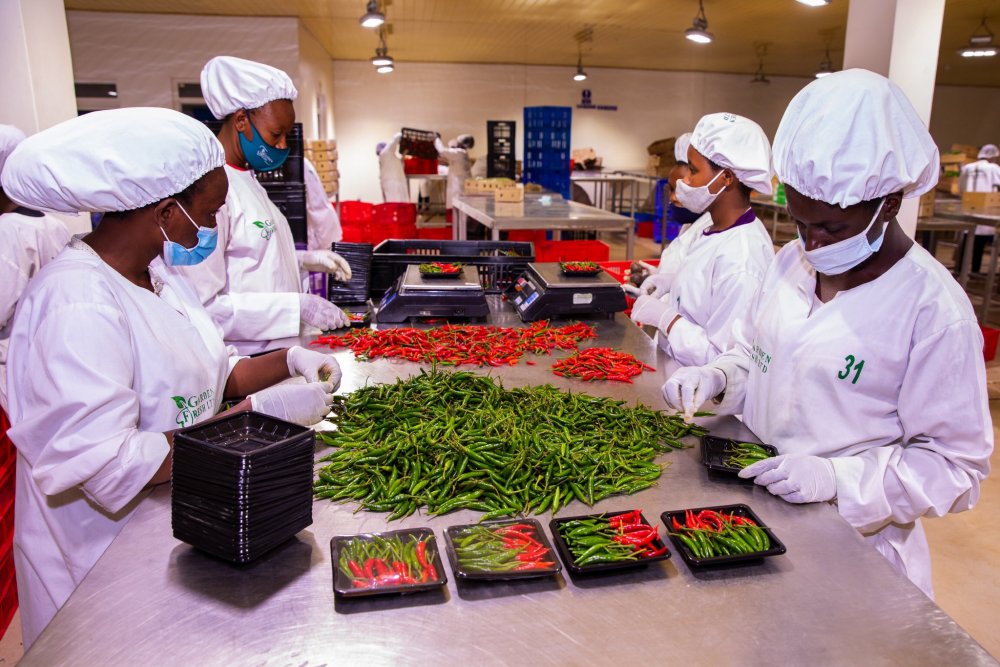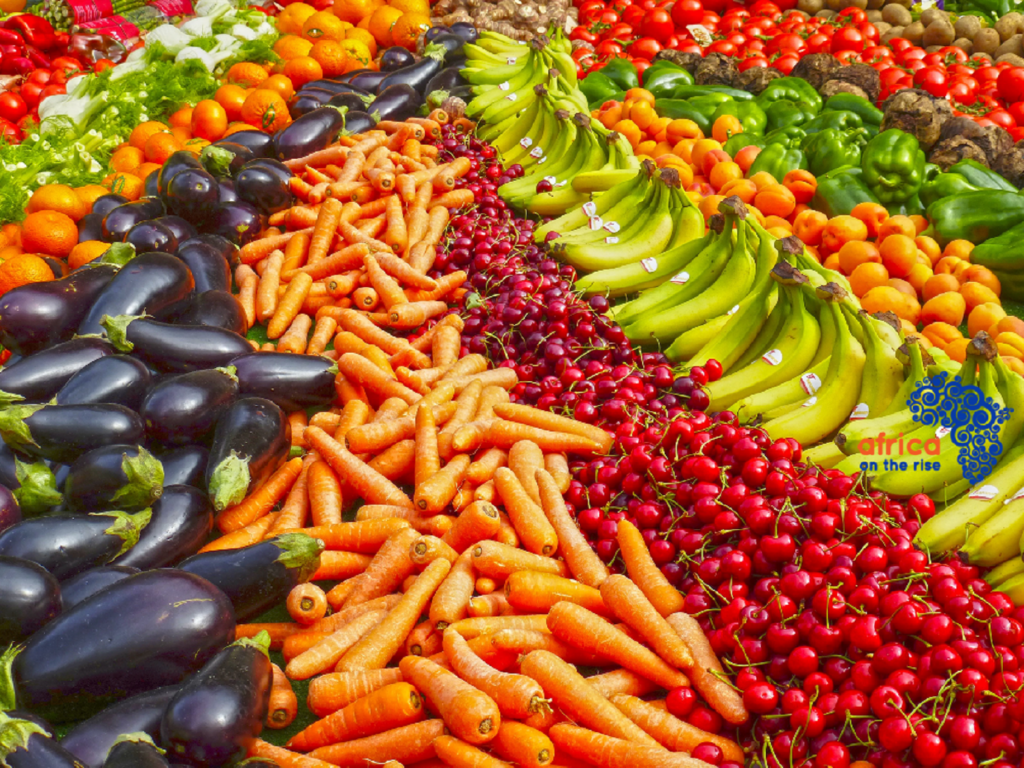
Rwandan exporters of fruits and vegetables say the war involving the United States and Israel against Iran has already caused them losses exceeding Rwf100 million within just two weeks.
In an interview with Rwanda Broadcasting Agency (RBA), several traders explained that the losses stem from the disruption of markets in the Middle East, which has long been their primary destination for large volumes of fresh fruits and vegetables.
One exporter, Ingabire Marie Ange Claudine, said their main fruit export markets have effectively collapsed, leaving traders facing serious financial setbacks. She warned that some of their produce has already started to spoil due to the disruption.
“Most of the fruits we export usually go to the city of Dubai, while many vegetables are shipped to European markets. Because of the situation, the market for avocados, bananas, passion fruits and other fruits has been severely affected. We are facing unusual challenges at the moment because flights to Dubai have been suspended,” she said.
Ingabire added that she currently has 40 tonnes of avocados that were meant for export to Dubai but have remained unsent for two weeks. Exporters initially hoped the situation would improve quickly, but she now fears the fruits may no longer meet export standards even if transport routes reopen.
Another exporter, Zainabu Abdul, also described the war’s devastating impact on her business, saying she has already lost about Rwf15 million.
“The war started just after we had harvested our produce and prepared it for export to the airport,” she said. “We suddenly heard that flights had stopped because of the conflict. We suffered losses we had never anticipated. Now there is little we can do while our produce continues to rot in cold storage.”
Commenting on the situation, Rwanda’s Minister of Trade and Industry, Prudence Sebahizi, said the government is assessing the full impact of the conflict on the country’s trade sector in order to identify alternative markets.
“We have several export markets, including some in regions currently affected by the conflict. We must examine the consequences for our trade and determine other destinations where our products can be redirected,” he said.
The National Agricultural Export Development Board (NAEB) estimates that the total losses suffered by Rwanda’s fruit and vegetable exporters due to the conflict have already surpassed Rwf100 million.
The war involving Iran began on February 28, 2026, and analysts warn it could last longer as tensions escalate. The President of the United States, Donald Trump, recently stated that his country does not plan to engage in negotiations with Iran unless it accepts certain demands.
Analysts caution that if the conflict persists, it could have wider repercussions for the global economy, particularly because the Middle East plays a key role in international trade. The region is also central to global oil supply, and prices have already begun rising amid growing instability.