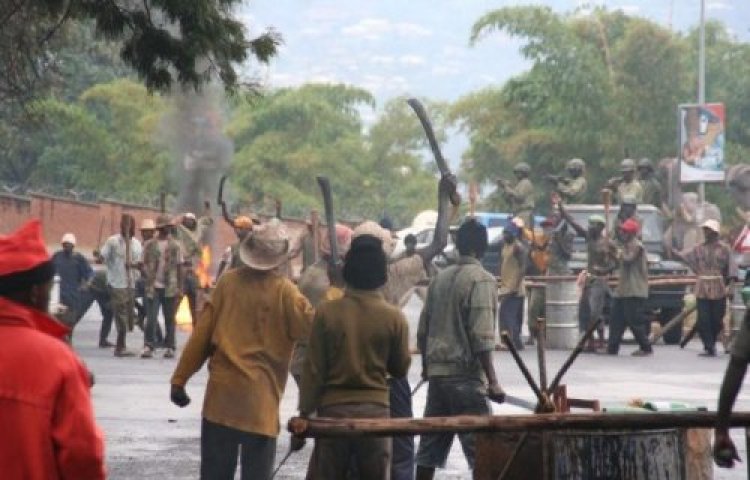
April 13, 1994 remains one of the most painful dates for survivors of the Genocide against the Tutsi, as widespread and coordinated killings were carried out against Tutsi who had sought refuge in different parts of the country.
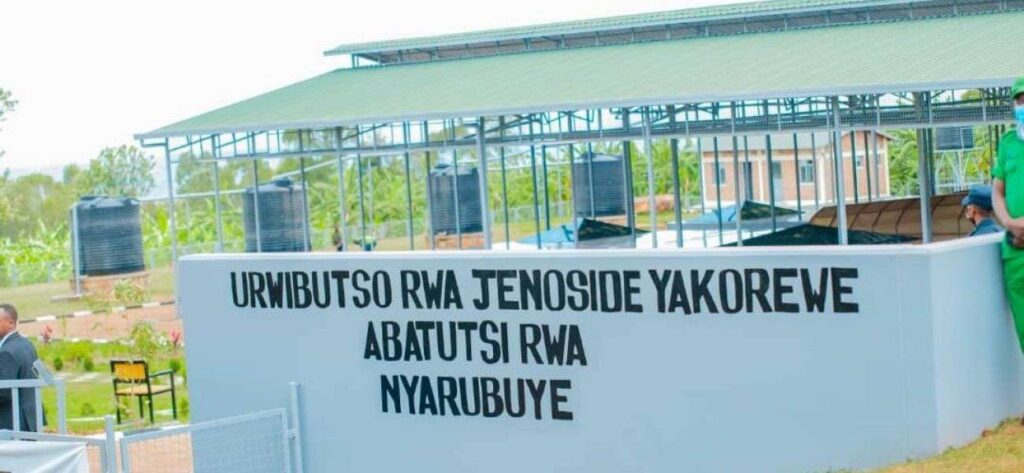
One of the most horrific massacres occurred at Nyarubuye Catholic Church in eastern Rwanda, where more than 35,000 Tutsi refugees who had fled from former communes including Rukira, Rusumo, Birenga, Kigarama and Rukara, as well as Nyarubuye Hill were killed.
The attacks were carried out by Interahamwe militia led by then mayor Sylvestre Gacumbitsi, working alongside communal officials and gendarmes from Nasho camp.
Only 18 people survived the massacre. Two weeks later, after the Rwanda Patriotic Army (RPA) under the RPF-Inkotanyi captured the area, they found bodies scattered across the site, some partially devoured by dogs. The victims were later buried in mass graves in front of the church.
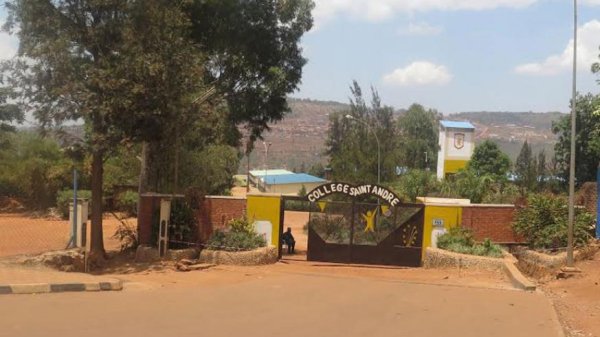
On the same day in Kigali, mass killings were carried out in Nyamirambo at St André Secondary School and St Charles Lwanga Catholic Church, where Tutsi from areas including Butamwa, Kivugiza, Mumena, Nyakabanda, Rwezamenyo, Kabusunzu and Biryogo had sought refuge. Others fled to St Joseph Centre, believing it to be safer.
While fewer people were killed at St Charles Lwanga compared to St André and St Joseph, attackers eventually targeted all sites. After killing those at St André and the church, they proceeded to St Joseph, where they killed refugees as well as some clergy who had resisted the হত্যings. Survivors estimate that more than 2,000 people were killed at St André alone.
In Kanyinya, in the former Nyarugenge commune, Tutsi who had fled from areas such as Jali were deceived by a local official, Nzabamwita Joseph, who assured them of protection and encouraged others to gather. On April 13, they were told they would be relocated to a safer place, taken to a valley known as “Mu Kana,” and abandoned. Later that evening, Interahamwe returned and massacred them, while soldiers positioned on nearby hills ensured that no one escaped. Only about four children survived by hiding among the bodies of their parents.
In Bumbogo, in present-day Gasabo District, Tutsi residents had initially resisted attacks using stones, spears and bows. However, after several days of fighting, soldiers joined Interahamwe on April 13 and opened fire, killing many. Some survivors fled to Gishaka Parish, where they were received by a priest and joined others from areas including Rutunga, Rubungo, Nduba and Ndera. However, on April 14, Interahamwe and communal police attacked the parish, killing many.
At Musha Catholic Parish, more than 8,000 Tutsi were killed between April 12 and 13 in attacks led by then mayor Paul Bisengimana, alongside local officials. Survivors reported that women and girls were subjected to sexual violence before being killed, with some murdered in nearby pits.
At Rukara Catholic Parish in Kayonza, many Tutsi who had taken refuge there were killed on April 13 after initial resistance when attackers attempted to seize their cattle. The killings were led by local authorities and militia groups.
In Ruharambuga, Nyamasheke, more than 60 Tutsi were killed after being gathered at a single home by Interahamwe. In another incident in the same area, 41 children were taken under the pretext of being protected, thrown alive into a pit in Nyungwe forest and burned.
Elsewhere, in Kirinda in present-day Karongi District, Tutsi who had taken refuge in a school and a hospital were later killed, with their bodies thrown into the Nyabarongo River. In Mbogo, Kinyamakara in former Gikongoro, around 3,000 Tutsi were killed on April 13 after being assembled in one location.
These events, drawn from survivor accounts, highlight how killings on April 13, 1994 were widespread and systematically carried out across the country, targeting Tutsi who had sought refuge in places they believed would offer protection.
The date remains a powerful reminder of the scale of the atrocities committed and the enduring importance of remembrance and vigilance against genocide.