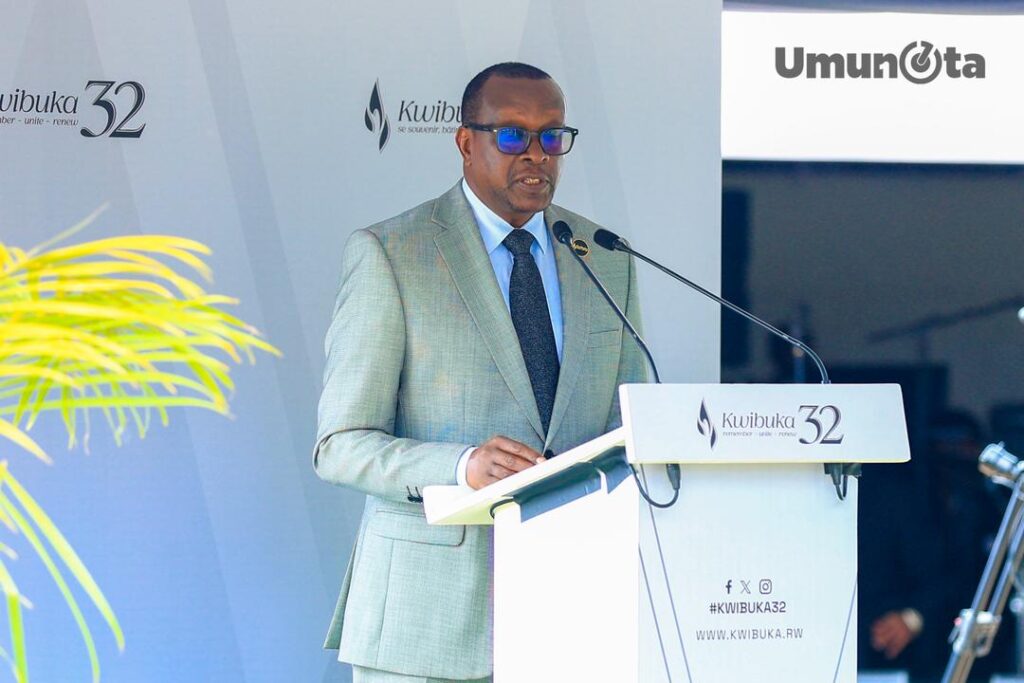
Minister of National Unity and Civic Engagement, Dr Jean Damascène Bizimana, has said that Rwanda’s national unity cannot be effectively built without first understanding the historical roots of its destruction and those who played a role in it.
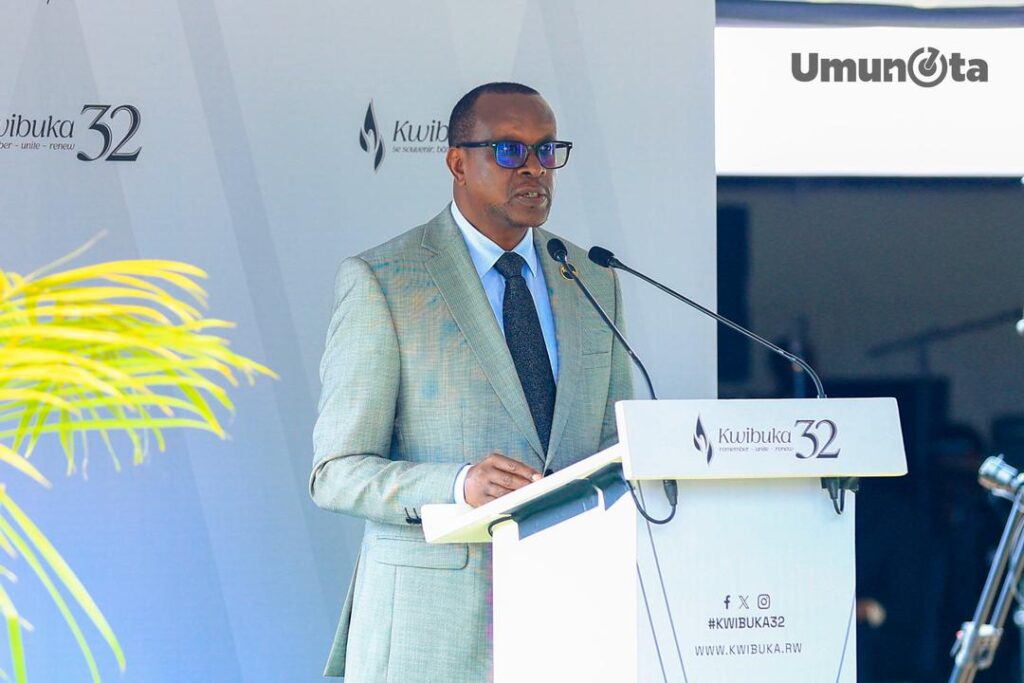
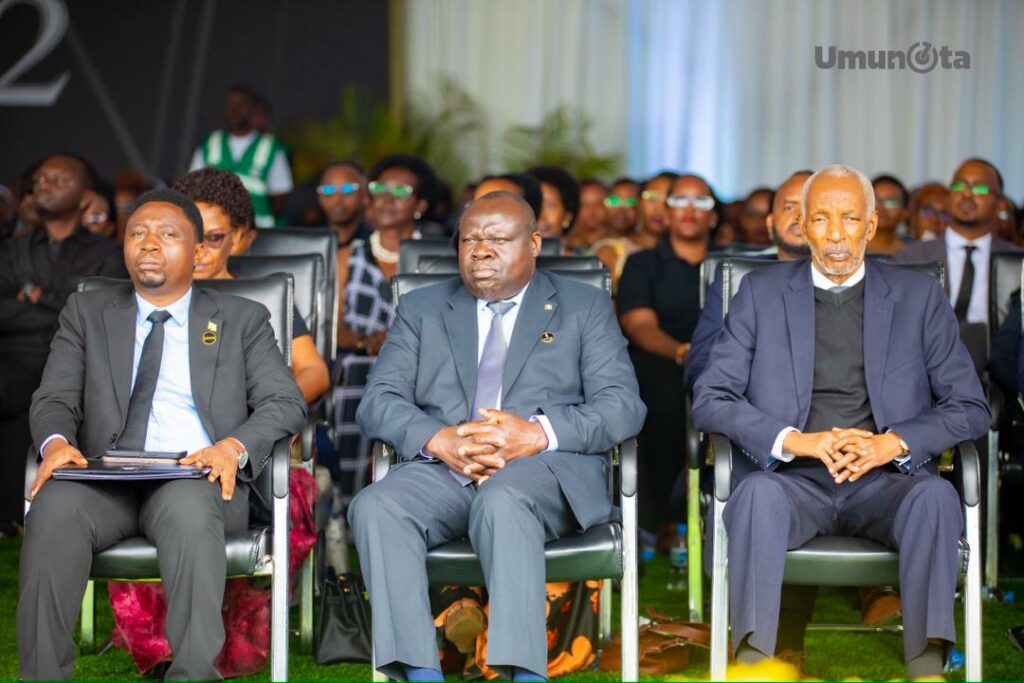
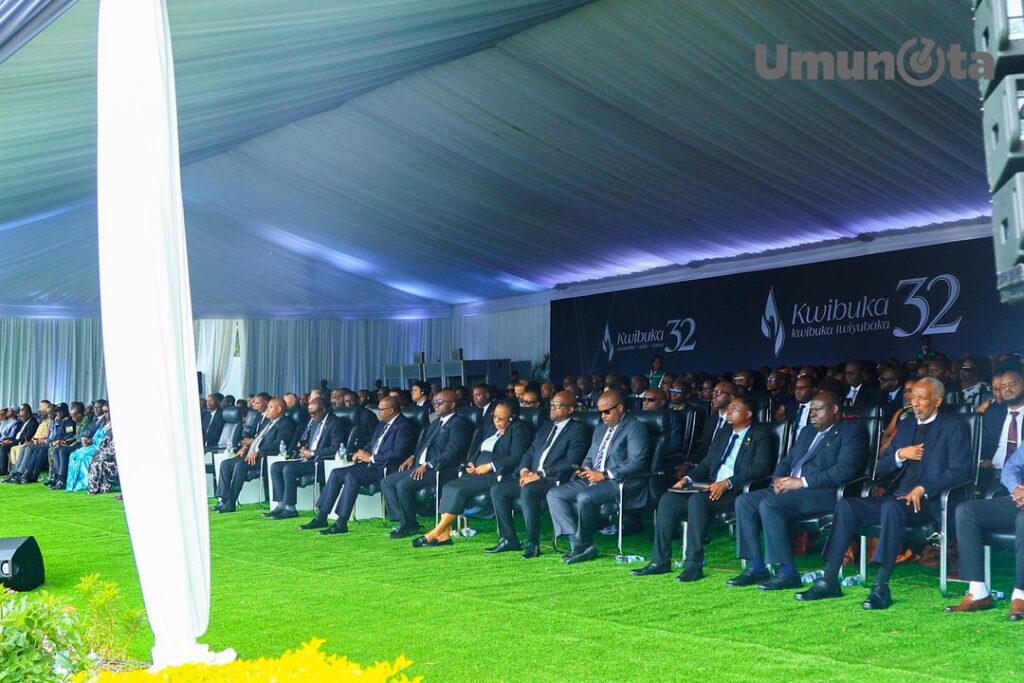
He made the remarks on April 13, 2026, during the closing ceremony of the Genocide commemoration week held at the Rebero Genocide Memorial, where Rwanda pays tribute to politicians and other prominent figures killed during the 1994 Genocide against the Tutsi.
Dr Bizimana said Rwanda’s history shows that exclusionary political systems under former presidents Grégoire Kayibanda and Juvénal Habyarimana progressively eroded national cohesion, laying the groundwork for the 1994 Genocide against the Tutsi.
He pointed to long-standing policies of division and discrimination, saying they fostered deep-rooted hatred whose consequences are still felt today.
The minister also referred to recent remarks attributed to former minister Anastase Gasana, saying they reflect the persistence of harmful ideologies that Rwanda continues to confront in efforts to safeguard unity.
Dr Bizimana stressed that confronting such historical realities is essential for building a resilient and inclusive society.
“We must always remember that today’s political leaders should learn from this history, uphold national dignity, and work together to build unity among Rwandans based on truth,” he said.
He added that unity cannot be sustained without clearly identifying the forces and systems that undermined it, warning that failure to confront the past risks reopening space for divisionism and ethnic ideology.
Dr Bizimana also recalled that anti-Tutsi violence in 1973 was carried out under both Kayibanda and Habyarimana, arguing that political continuity of exclusion was evident despite changes in leadership.
He noted that although Habyarimana justified his takeover with promises of unity, peace and development, these commitments were not translated into practice, as discriminatory policies and regional favoritism persisted during his rule.
The minister called on political organizations to educate young members about Rwanda’s history so they can engage in politics that strengthens national cohesion rather than division.
He further urged young people to remain vigilant against divisive narratives still echoed by remnants of past political ideologies, stressing the importance of unity-based leadership for Rwanda’s future.