May 1, 1994 marked the 25th day of the 100-day Genocide against the Tutsi, as killings intensified across Rwanda under the extremist interim government.
On this day, large-scale massacres were carried out at Karama Hill in present-day Nyanza District and at Nyundo Parish in Rubavu District, where thousands of Tutsi who had sought refuge were systematically targeted and killed.
Karama Hill: A coordinated assault leaves tens of thousands dead
Karama Hill, located in the former Butare Prefecture (now Nyanza District), became one of the deadliest massacre sites during the genocide.
Thousands of Tutsi who had gathered there in search of safety were surrounded by heavily armed Interahamwe militia, who blocked all escape routes and trapped those on the hill.
Witness accounts indicate that victims attempted to resist the attack but were quickly overwhelmed by gunfire, grenades, and traditional weapons. Those who tried to flee were intercepted and killed at the base of the hill.
The assault lasted for more than four hours, only subsiding due to heavy rainfall. After the killings, perpetrators looted livestock and personal belongings from the victims.
An estimated 30,000 people were killed at Karama Hill. Many bodies were left unburied due to their large number, while others were disposed of in mass graves. A small number of survivors managed to escape by hiding in nearby bushes and forests.
Nyundo: A place of refuge turned into a killing ground
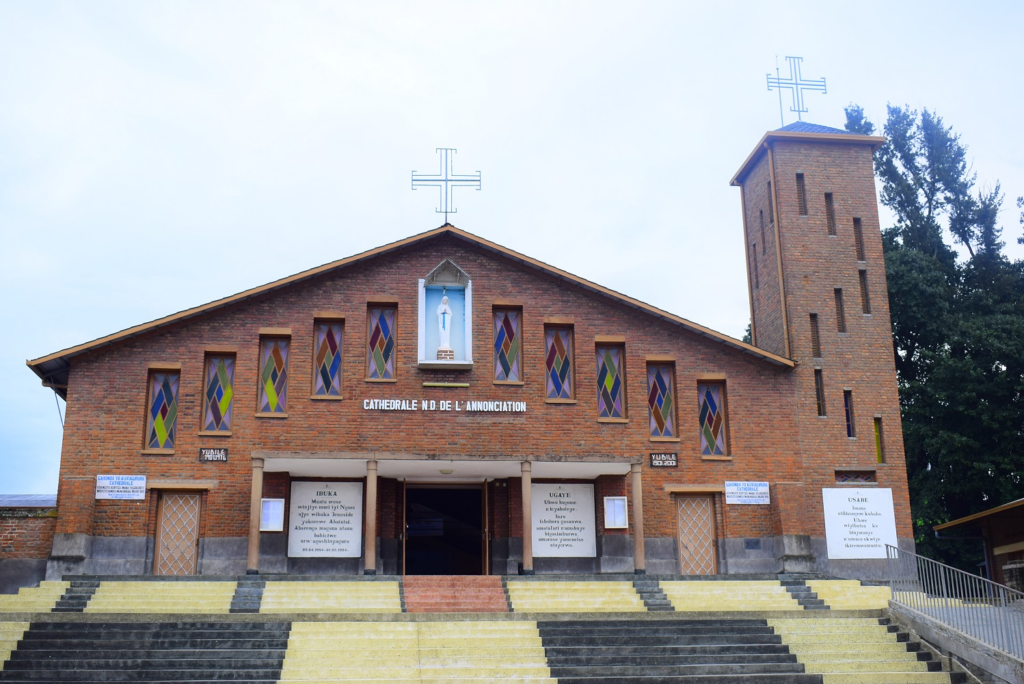
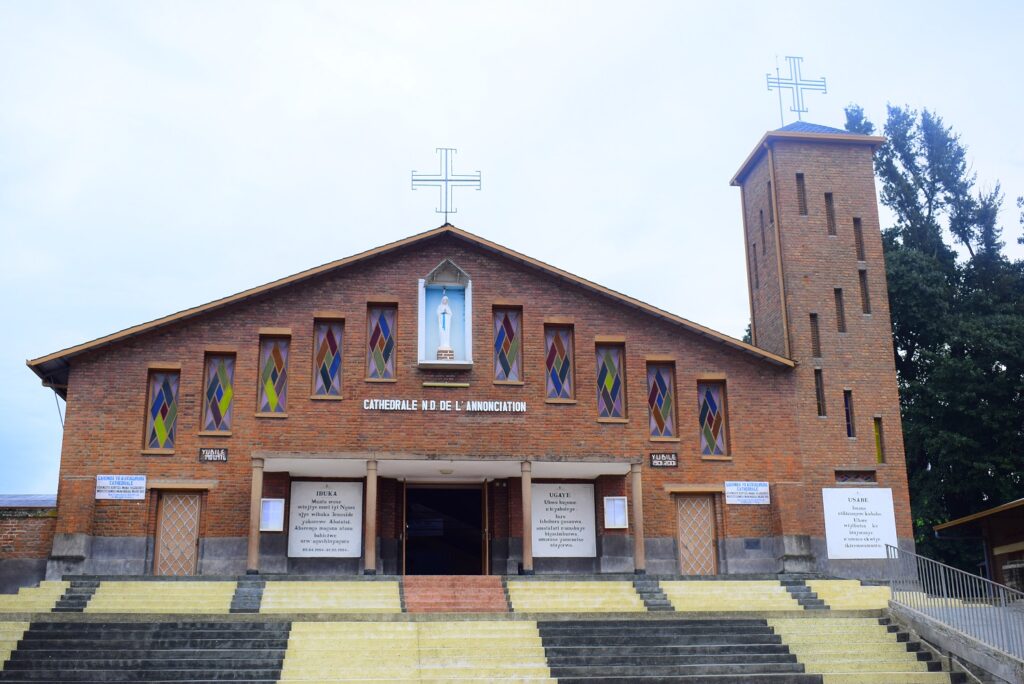
On the same day, mass killings were also carried out at Nyundo Catholic Parish and surrounding areas in Rubavu District.
Prior to the attack, Tutsi in hiding had been lured to gather at Nyundo under false assurances of safety. Many arrived from surrounding areas, including Kivumu and Nyamyumba, increasing the number of people seeking refuge.
In the late afternoon, Interahamwe militia, supported by soldiers and gendarmes, launched a coordinated assault on the parish. Attackers reportedly arrived in vehicles from areas such as Nyabihu and Kibirira.
The first victim of the attack was a local leader known as Serushyanya, who had been helping organize displaced people.
Within hours, around 1,000 people were killed through gunfire, grenades thrown into the church, and attacks with traditional weapons. Some survivors managed to escape under the cover of darkness, while others survived by hiding among the dead.
A stark reminder of a systematic genocide
The events of May 1, 1994 underscore the coordinated and systematic execution of the Genocide against the Tutsi, where places of refuge—including hills and churches—were deliberately turned into sites of mass killings.
These massacres highlight both the scale of the violence and the calculated methods used to lure victims before carrying out widespread extermination.