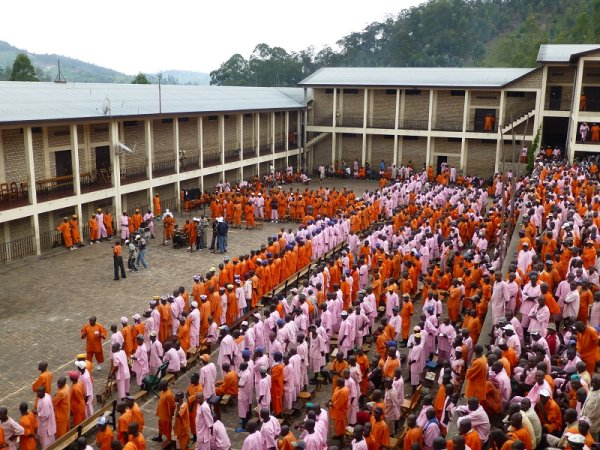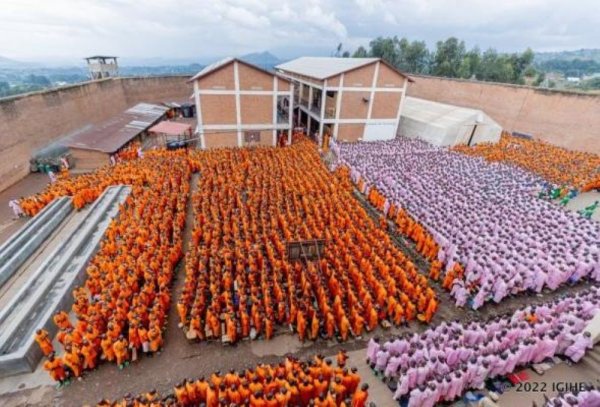
More than 70,000 people convicted of crimes related to the 1994 Genocide against the Tutsi have been released and reintegrated into society, the Ministry of National Unity and Civic Engagement (MINUBUMWE) has revealed.
The ministry says the development is part of Rwanda’s long-term effort to balance justice with reconciliation, nearly 32 years after the genocide was stopped by the RPA forces of the RPF-Inkotanyi.
Following the genocide, Rwanda faced an unprecedented justice challenge, with thousands of suspects and no existing legal framework for genocide crimes. This led to the establishment of new legal structures, including a reconstituted Parliament and laws specifically addressing genocide-related offences.
Authorities later introduced the Gacaca courts, a community-based justice system designed to speed up trials and promote social healing. The system handled more than 1.9 million cases over eight years, making it one of the largest post-conflict justice mechanisms in the world.
MINUBUMWE says Gacaca played a dual role: delivering justice while also fostering reconciliation between survivors and perpetrators within communities.
Official data shows that the majority of convictions were related to property crimes, while hundreds of thousands were linked to killings and participation in the genocide. Among those prosecuted, a significant number were adults at the time of the 1994 events.
Minister Dr. Jean Damascène Bizimana noted that without Gacaca, the conventional court system would have taken over a century to complete the genocide-related caseload.
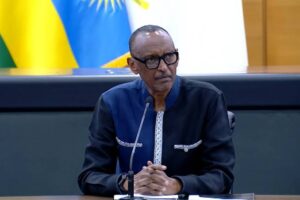
He also emphasized that Rwanda’s approach has contributed to significant progress in national unity and reconciliation, which is currently estimated at over 95%, with continued efforts to reach full cohesion.
Officials say the reintegration of convicted individuals reflects Rwanda’s broader reconciliation strategy, where justice delivery is combined with rebuilding trust and coexistence at community level.