Rwanda has reinforced Ebola surveillance and prevention measures as neighbouring countries continue to report new cases of the disease, authorities have said.
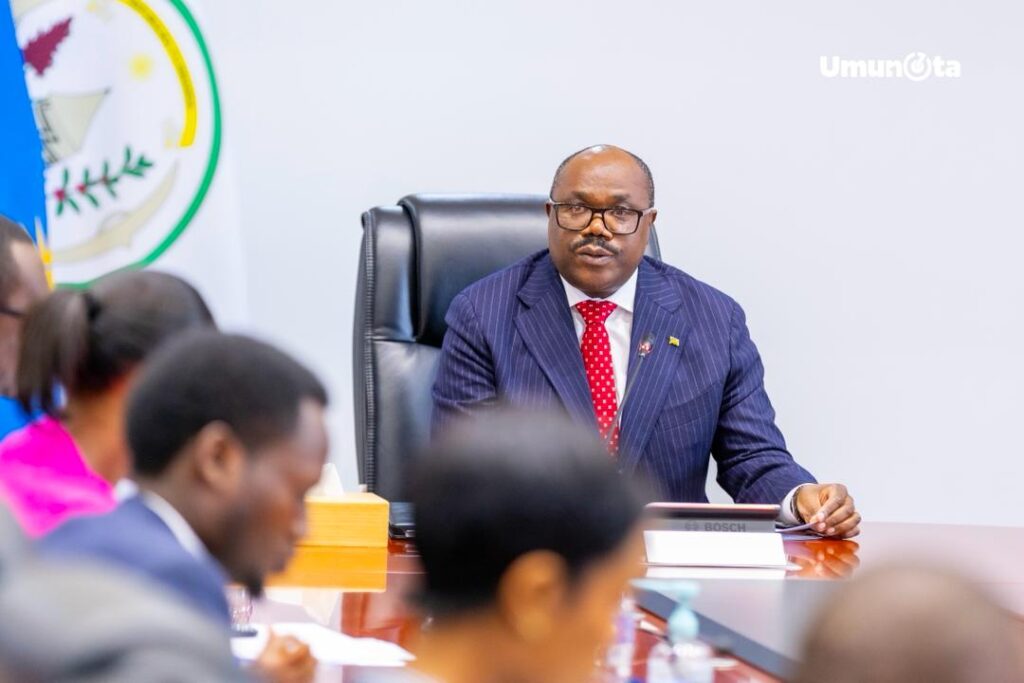
Prime Minister Dr. Justin Nsengiyumva said the country remains confident in its preparedness systems and ability to prevent and contain any potential outbreak, stressing that there is no cause for public alarm.
Speaking during a press briefing on Saturday, he said Rwanda has strengthened monitoring, prevention and response mechanisms while ensuring that normal economic and social activities continue uninterrupted.
“We are confident that we are sufficiently prepared to protect the lives of our citizens without disrupting economic activities and people’s normal way of life,” he said.
He urged continued public vigilance, saying preparedness must be matched with awareness and early reporting of suspected cases.
“On Ebola, we are fully alert and protective systems are in place. There is no reason for panic, but being alert does not mean we should become complacent. We must also help raise awareness among communities, maintain hygiene, and ensure that anyone showing symptoms seeks medical attention early,” he said.
The Prime Minister said the Ministry of Health, in collaboration with the Rwanda Biomedical Centre (RBC), will continue nationwide awareness campaigns focused on prevention, early detection and response.
Ebola outbreaks continue to raise concern in the region, particularly in the Democratic Republic of Congo and Uganda, where the World Health Organization (WHO) has classified the situation as a Public Health Emergency of International Concern (PHEIC).
In the Democratic Republic of Congo, authorities have reported hundreds of confirmed cases and dozens of deaths, along with more than 1,000 suspected infections. Uganda has also recorded confirmed cases and fatalities linked to the outbreak.
Rwanda has introduced enhanced preventive measures, including entry restrictions for travellers who have recently been in affected areas, quarantine requirements for selected arrivals, and increased screening at border posts.
Border crossings with the Democratic Republic of Congo have also been restricted for general movement, with exceptions for essential travel such as students and the transport of goods and humanitarian assistance.
Health officials say surveillance systems have been strengthened nationwide, laboratory testing capacity has been expanded, and training for health workers, Red Cross volunteers and community health workers has been intensified to improve preparedness and response.