June 23, 1994 marked the 78th day of the Genocide against the Tutsi, as killings continued across Rwanda while the Rwandan Patriotic Front (RPF Inkotanyi) advanced in efforts to stop the violence and rescue survivors in different parts of the country.
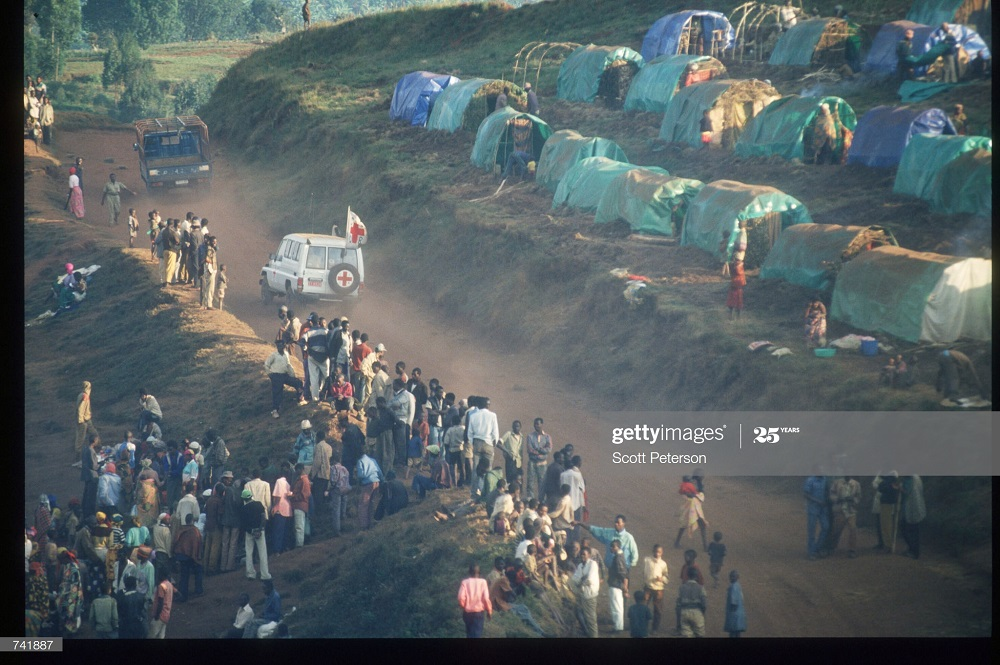
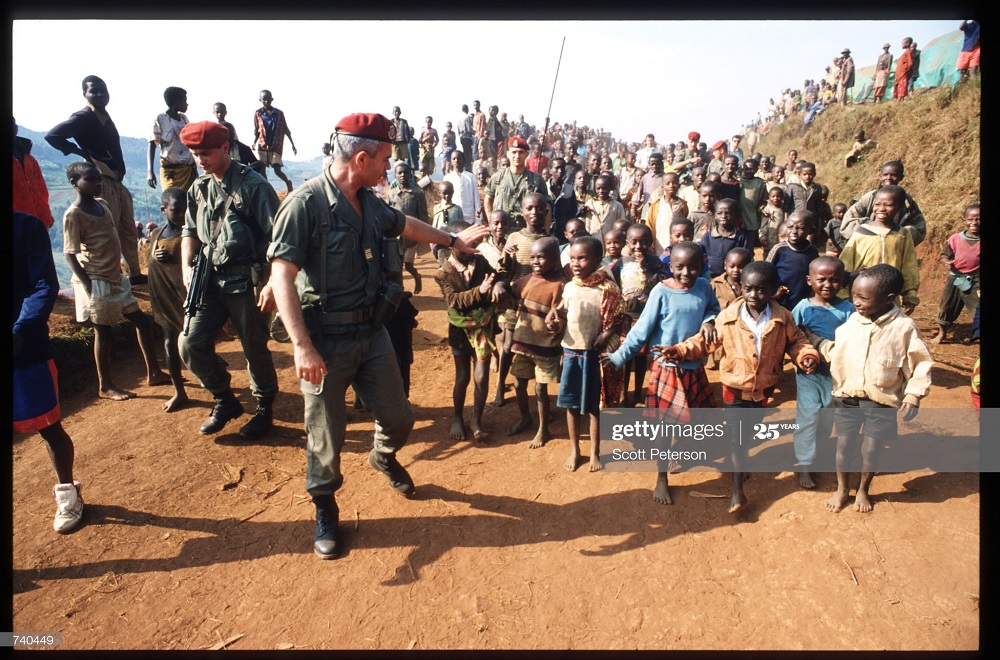
On this day, French troops under Operation Turquoise arrived in Cyangugu and deployed to the Nyarushishi camp, where thousands of displaced civilians had taken refuge.
Operation Turquoise, authorized by the United Nations, was presented as a humanitarian intervention intended to protect civilians during the genocide. However, its role on the ground has remained controversial, with competing accounts regarding its impact and conduct.
Nyarushishi camp had previously hosted Burundian refugees following the 1993 crisis before becoming a shelter for Tutsi civilians evacuated from Cyangugu town, as well as survivors from surrounding areas including Mibilizi, Shangi, Nyamasheke, and Kibogora.
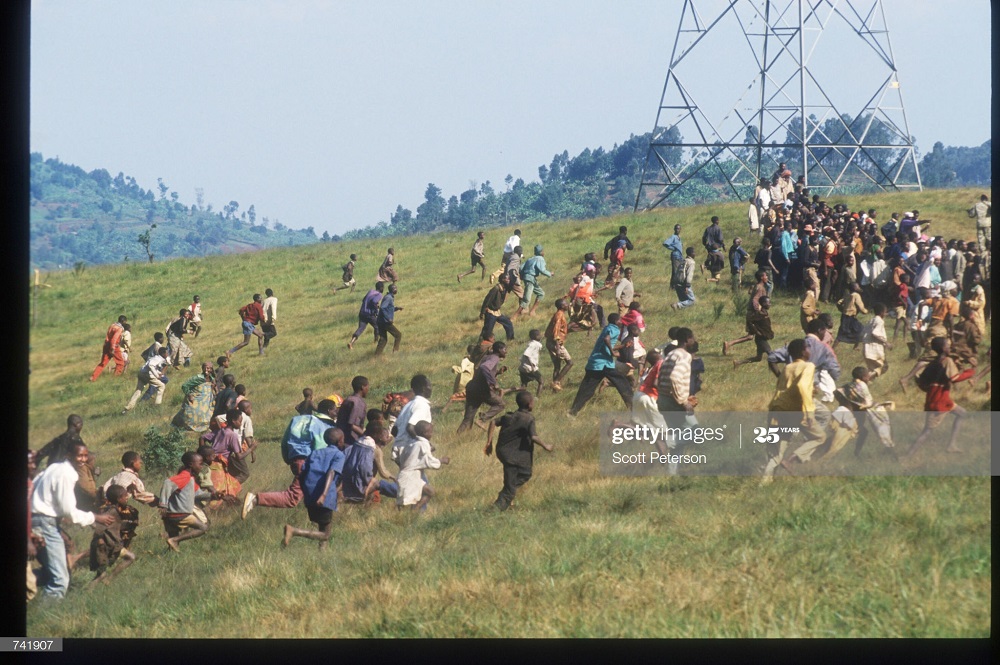
During this period, survivor testimonies and historical accounts indicate that civilians in and around the camp continued to face serious insecurity, including attacks by Interahamwe militias operating in nearby areas despite the presence of foreign troops.
There are also allegations contained in survivor testimonies and broader historical accounts of serious abuses committed during the period, including sexual violence. These allegations remain part of ongoing historical discussions and documentation efforts on crimes committed during the genocide and the conduct of various armed actors.
The camp environment was highly militarized, with militia checkpoints and elements of the former government forces operating in surrounding areas, leaving civilians in a highly volatile and insecure protection setting.
French forces reportedly sought to present Nyarushishi as a protected humanitarian zone, an image that featured in international media coverage of Operation Turquoise, amid growing scrutiny at the time over France’s role in Rwanda during the genocide.
The events at Nyarushishi remain a contested and sensitive part of the history of Operation Turquoise and continue to be examined by historians, survivors, and researchers within the broader effort to document and understand the 1994 Genocide against the Tutsi.