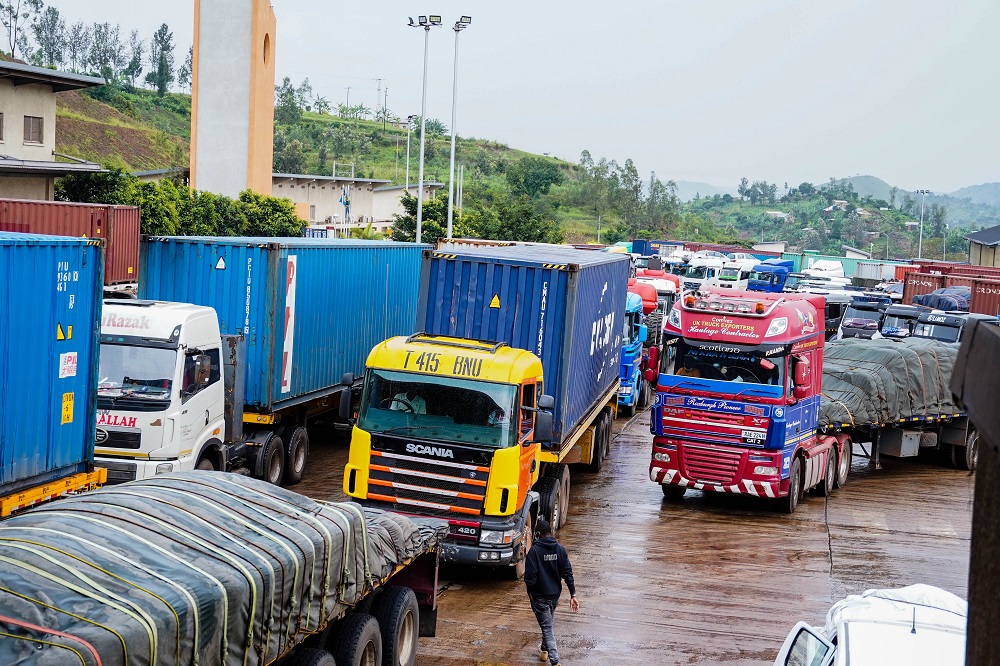
The East African Community (EAC) has reported a 28% increase in intra-regional trade during the 2025/2026 financial year, underscoring strengthened economic integration among member states.
The performance was highlighted on June 22, 2026, during the presentation of the EAC’s 2026/27 budget and the launch of the Seventh Development Strategy (2026/27–2030/31) by the Chairperson of the EAC Council of Ministers, Rebecca A. Kadaga.
According to the bloc, the regional economy expanded by 5.8% in 2025/26, outperforming the global average growth rate of 3.4%, driven by improved economic activity and increased cross-border trade.
Intra-regional trade rose to $19.3 billion, reflecting ongoing efforts to reduce trade barriers and enhance economic cooperation within the bloc.
In the area of peace and security, member states continued discussions on advancing the framework for deeper political integration, including steps toward a potential political federation, while the EAC also maintained support for peace efforts in eastern Democratic Republic of Congo.
The health sector recorded notable progress, with more than 12,500 patients accessing specialized medical services through regional cooperation initiatives. In addition, 785 postgraduate students graduated, alongside over 3,300 health professionals who received advanced training across the region.
Infrastructure development also advanced, with the East African Crude Oil Pipeline (EACOP) project reaching approximately 80% completion.
The EAC further supported 16 youth-led innovation projects leveraging artificial intelligence, reflecting growing investment in digital transformation and innovation.
Officials also noted that audit reports across EAC institutions received clean opinions, which they said reflects improved governance, accountability and strengthened financial management within the bloc.