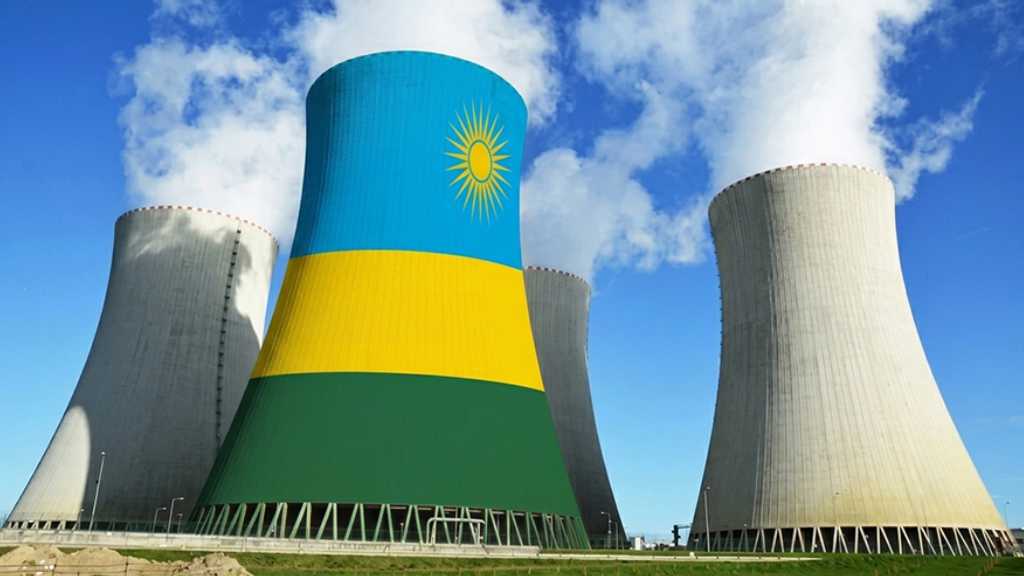
Rwanda and Russia have signed an agreement outlining the next steps toward the development of a Small Modular Reactor (SMR), a compact nuclear facility intended to generate electricity and support the country’s growing energy demand.
The agreement was signed between Russia’s state nuclear corporation Rosatom and the Rwanda Atomic Energy Board (RAEB), following the first meeting of a joint commission on nuclear cooperation held in Moscow.
The two sides discussed plans for the SMR project, including the establishment of a Nuclear Science and Technology Centre in Rwanda, development of supporting infrastructure, training of technical personnel, and the creation of a regulatory framework for nuclear activities.
Dr. Lassina Zerbo, Presidential Advisor on Energy and Chairperson of RAEB’s Board of Directors, said Rwanda is targeting the introduction of nuclear energy in the early 2030s to help meet rising electricity demand.
He said Small Modular Reactors offer a more cost-effective alternative to conventional large nuclear plants, with lower upfront investment requirements and easier integration into existing power grids without major infrastructure expansion.
Rosatom Deputy Director General Kirill Komarov said the partnership is moving from framework discussions to implementation.
“We are moving from general agreements to concrete actions, including training Rwandan personnel, developing nuclear infrastructure, advancing research, and implementing the SMR project,” he said.
He added that Rwanda has developed a structured roadmap for nuclear energy development, with Rosatom positioned as a long-term technical partner.
Cooperation between Rwanda and Russia in nuclear energy began in 2018 with agreements focused on the peaceful use of nuclear technology.
In 2019, the two countries signed an agreement to establish a Nuclear Science and Technology Centre in Rwanda, which is expected to include a 10-megawatt research reactor and laboratories for research, training, and capacity building in nuclear science.