Akagera National Park generated more than US$1 million (over Rwf1.4 billion) in revenue during the second quarter of 2026, driven by increased tourist arrivals and improved financial performance, according to the park’s latest quarterly report.
The report, covering the period from April to June, shows that the park welcomed 8,919 visitors, with each tourist spending an average of US$108. Revenue increased by 4 percent compared with the same period in 2025.
The income was generated from various tourism activities, including park entry fees, guided tours, accommodation services, concession fees paid by operators, fishing permits and other related services.
The park also recorded progress toward financial sustainability, with its operational self-sufficiency ratio increasing from 76 percent in April to 104 percent in June, meaning it was able to fully cover its operating expenses through internally generated revenue.
Akagera management said the achievement will strengthen the park’s ability to finance conservation programmes while supporting development initiatives for communities living around the protected area.
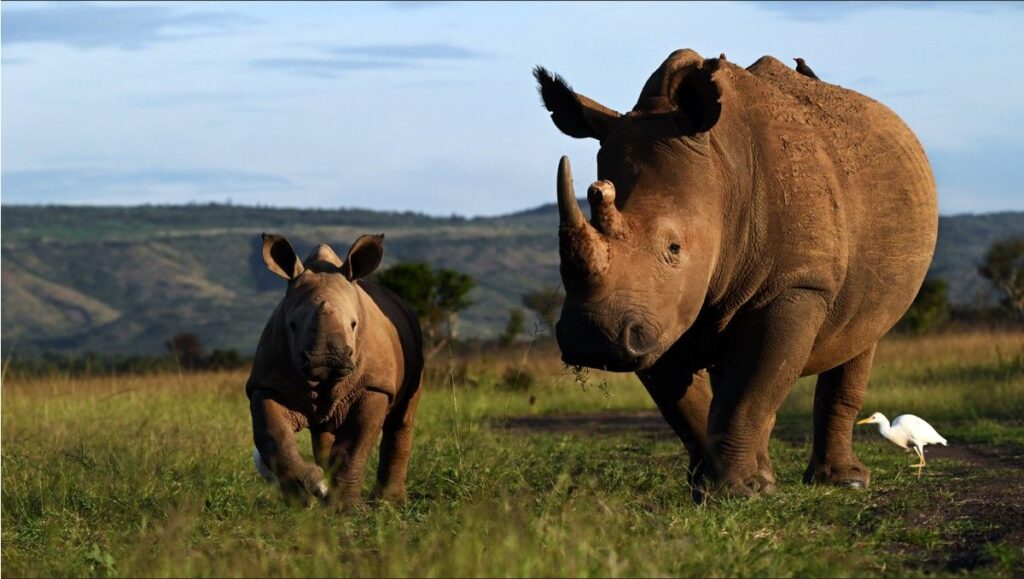
Conservation efforts also registered notable progress during the quarter, with the birth of three rhinoceros calves, including one black rhino and two white rhinos.
The park said the births demonstrate that rhinos continue to adapt well to their environment and that their population is gradually recovering. Rangers conduct daily ground and aerial monitoring to track the animals and assess their health.
During the same period, park rangers carried out about 1,600 patrols covering nearly 35,000 kilometres. No cases of wildlife being killed by poachers were recorded, although five people were arrested for illegal fishing and 12 illegal traps were removed.
Wildlife monitoring teams recorded more than 2,600 sightings of white rhinos and over 400 sightings of black rhinos through routine tracking activities conducted on foot and by air.
Beyond conservation, Akagera continued supporting surrounding communities. More than 31,000 people benefited from community outreach programmes, while businesses supported by the park generated nearly US$500,000.
Community cooperatives involved in fishing, beekeeping, tourism services and handicrafts earned US$226,263 during the quarter, while local communities received an additional US$229,374 through the purchase of goods and services.
The quarter also saw the official opening of SALT of Akagera, a 60-room safari hotel operated by The Lux Collective on the shores of Lake Ihema. The facility, formerly known as Akagera Game Lodge, became the first SALT safari property to open in Rwanda.