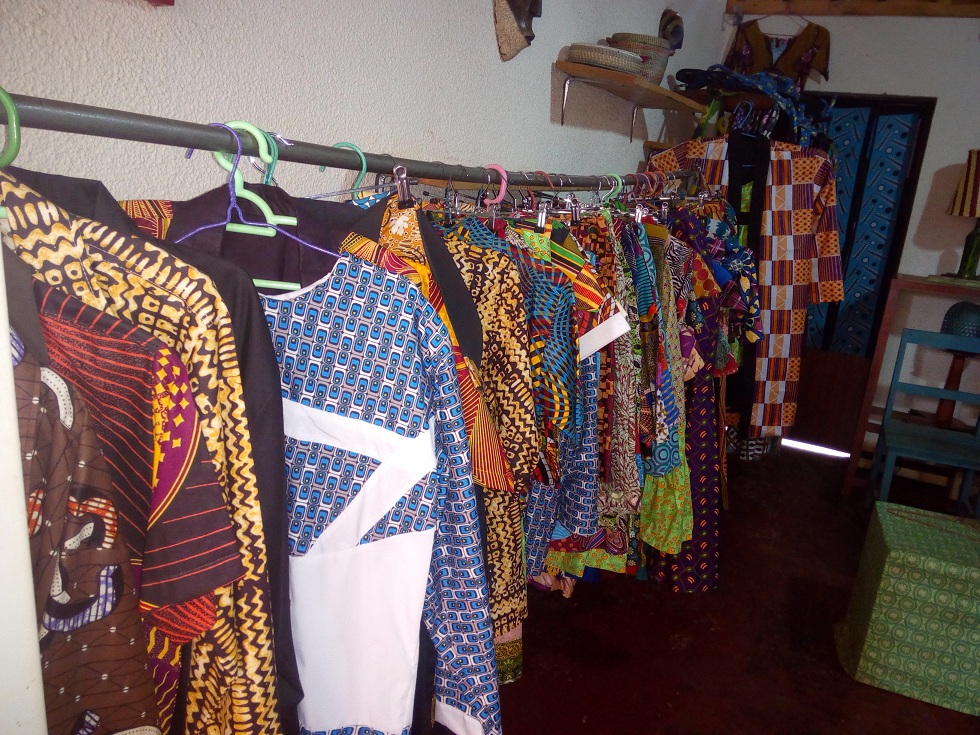
The Ministry of Trade and Industry (MINICOM) has attributed the low domestic market share of locally manufactured clothes and shoes to high production costs, saying the government is working to address the challenge.
Only 5% of clothing and footwear produced in Rwanda is purchased on the domestic market, according to the ministry.
Consumers, however, say locally made products are significantly more expensive than imported alternatives, prompting many to opt for foreign-made clothes and shoes because they are more affordable.
Some consumers argue that prices of locally manufactured clothing and footwear are beyond the reach of many people. They are calling for price reductions to encourage more Rwandans to buy locally made products rather than relying heavily on imports.
Traders and manufacturers attribute the high prices largely to production costs, particularly the expense of importing raw materials. They explain that sourcing these materials from abroad involves considerable time and money, with transportation costs adding to the overall expense.
One trader said: “Importing materials used to manufacture clothes takes a long time and is expensive. When you factor in the time involved and transportation costs, delays can occur, making this one of the reasons prices go up.”
Traders argue that producing fabrics locally would help reduce clothing manufacturing costs, particularly because cotton, which is used to make textiles, is also grown in Rwanda.
Minister of Trade and Industry Antoine Marie Kajangwe said the government was implementing measures to make it easier for manufacturers to access the raw materials they need, enabling them to lower the prices of locally produced goods.
“There are several factors that increase the cost of manufacturing locally made products, including transportation expenses. The government is preparing several initiatives aimed at reducing the high costs of products manufactured in Rwanda,” he said.
In late 2016, Rwanda increased import duties on second-hand clothes and shoes to support domestic textile and footwear manufacturers, expand the market for locally made products and reduce the amount of money spent importing clothing.
However, nearly 10 years after Rwanda intensified efforts to promote textile, footwear and other domestic industries under the Made in Rwanda initiative, high prices remain a major obstacle to increasing the uptake of locally manufactured products on the domestic market.
Rwanda has set a target of meeting 100% of domestic demand for clothing through locally manufactured products by 2029.