Africa is improving its ability to predict droughts, floods and disease outbreaks, but experts warn that early warnings will have limited value unless governments also have money ready to act when disaster strikes.
The warning emerged at the Africa Food Systems Forum in Kigali, where policymakers and climate experts called for greater investment in early warning systems, reliable climate data and financing mechanisms that can quickly support farmers and other vulnerable communities.
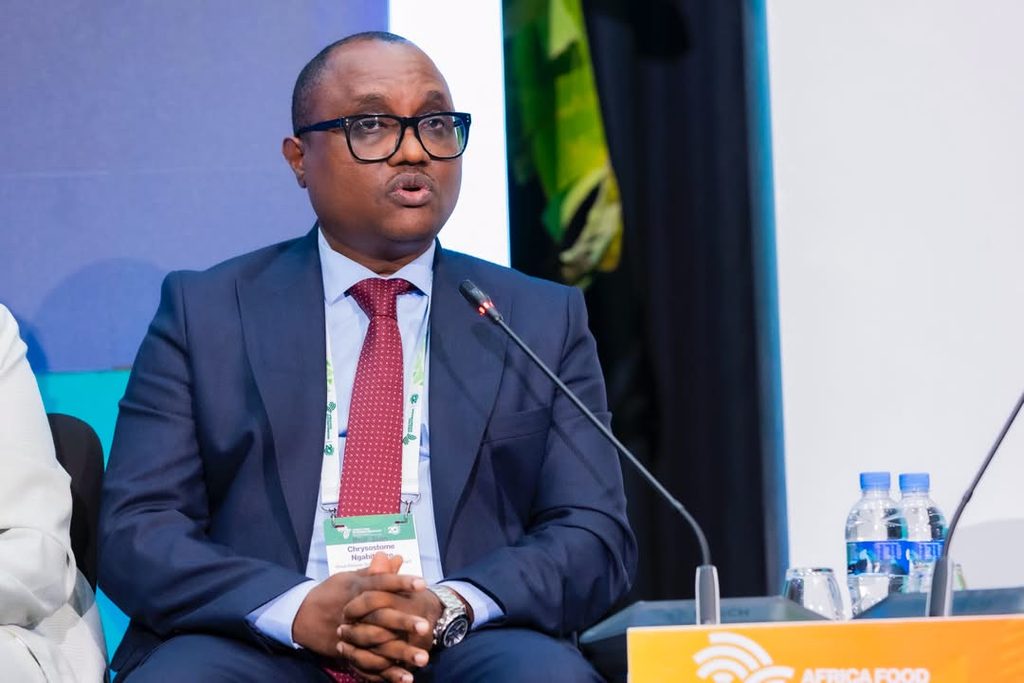
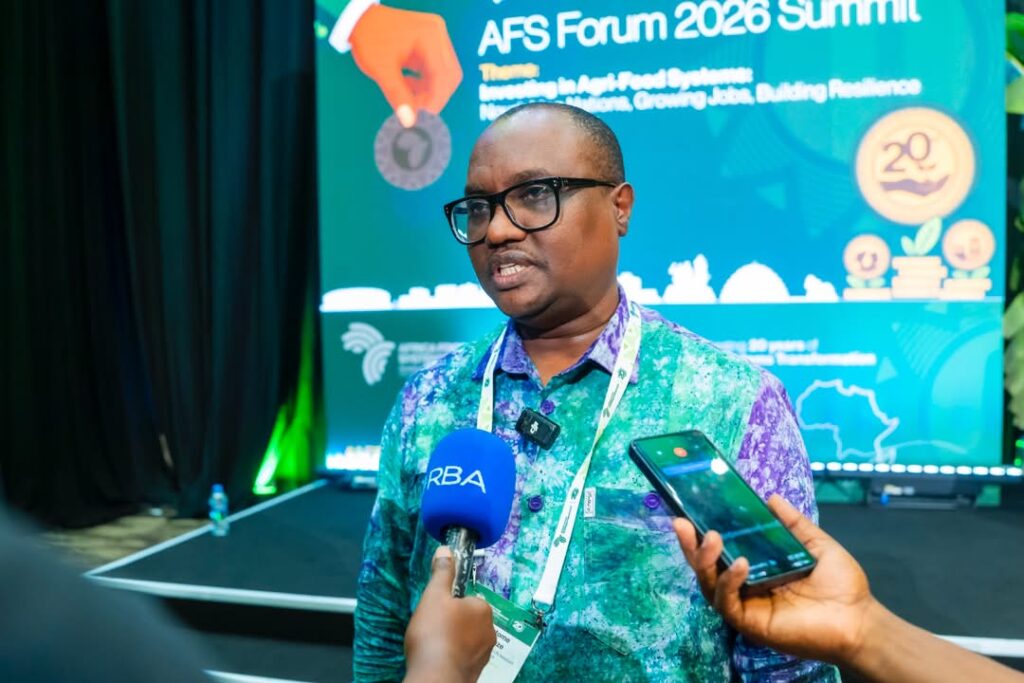
Jean Chrisostome Ngabitsinze, Group Director General of the Africa Risk Capacity (ARC), said African countries must move beyond identifying climate risks to preparing financially for them.
“African countries should get prepared in terms of having better data, better early warning systems in order to predict what will happen in terms of shocks,” Ngabitsinze said.
But prediction alone is not enough, he argued.
“Otherwise, if there are no predictable tools, it is impossible to plan ahead, even for financing,” he said.
For Ngabitsinze, preparedness needs to operate on two fronts: governments must improve their ability to anticipate shocks while simultaneously ensuring that funds are available to respond when those shocks occur.
“The second is finding sovereign finance, or funds as we call them. Countries might put in place the funds necessary to make sure that when there are shocks, there is support,” he said.
This is particularly important for smallholder farmers, who often have limited financial capacity to recover from drought, floods, disease outbreaks and other disruptions.
Rwanda tests new approach
Rwanda is among the countries working to strengthen this preparedness.
According to Ngabitsinze, Rwanda signed the ARC treaty in 2012 and is now developing models for drought as well as disease outbreaks and epidemics affecting humans and animals.
The models are expected to help the country monitor risks, predict potential shocks and plan insurance coverage before disasters occur.
“The one is on drought, the second one is outbreaks and epidemics. This will help Rwanda to monitor very well, to predict what can happen when there is a drought or there is a disease in animals and humans,” he said.
The drought model is expected to be completed within two to three months.
Beyond forecasting, the models will also help determine how much a country should pay for insurance and how much it could receive if a predefined shock occurs.
ARC uses parametric insurance, meaning payouts are triggered when agreed indicators or thresholds are reached rather than waiting for lengthy assessments of individual losses.
“Our model is unique because our model is parametric insurance, meaning that we predict before the shock,” Ngabitsinze said.
He said this approach could enable countries to receive payouts within weeks after a qualifying shock.
ARC has so far paid about $240 million in insurance payouts to member countries affected by disasters.
As an illustration of how the mechanism works, Ngabitsinze pointed to Burkina Faso, where a $6 million insurance payout is expected in response to drought associated with the El Niño phenomenon.
The cost of waiting
Ngabitsinze urged countries that have not yet adopted insurance mechanisms to reconsider their approach, arguing that responding after a disaster can be more expensive than preparing beforehand.
“The countries that have not yet signed the policy of insurance have to know that climate change shocks are real,” he said.
The issue extends beyond insurance.
Aimable Gahigi, Director General of the Rwanda Meteorology Agency, said countries also need to build local expertise capable of operating, maintaining and improving climate-monitoring systems.
Rwanda has invested in observation equipment and systems to strengthen forecasting and exchange meteorological information with regional and global institutions, he said.
But such investments will only remain effective if countries have enough local technicians and climate experts to manage them over time.
From warning to action
Solange Uwituze, Minister of State in the Ministry of Agriculture and Animal Resources, said climate forecasting should not be treated simply as a technical exercise.
“Climate forecasting is not an ordinary technical job, rather it is a livelihood issue and an economic issue and moral issue,” she said.
Her argument points to the larger challenge facing African governments: ensuring that warnings translate into action before farmers lose crops, livestock and incomes.
“The future of a resilient Africa lies in the ability to anticipate, prepare and innovate, and to stop being reactive to shocks that are costly by the time they are visible,” Uwituze said.
As climate shocks become more frequent and less predictable, African countries are therefore facing a new test—not simply whether they can see disasters coming, but whether they have the systems, expertise and financing to act before those warnings become crises.