Just three hours from Kigali, Akagera National Park has become one of Rwanda’s most striking conservation success stories, a landscape where restored wildlife, thriving ecosystems, and community-led tourism now coexist.
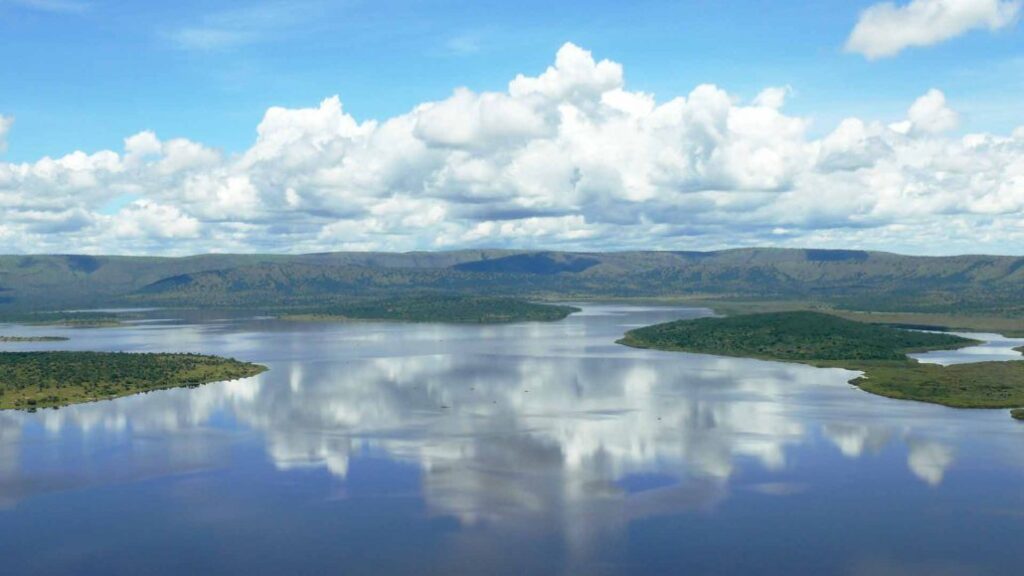
Stretching across lakes, wetlands, forests, and rolling savannah, the park offers visitors a rare blend of biodiversity and quiet natural beauty.
Most journeys into Akagera begin in the park’s southern section, along the serene shores of Lake Ihema, Rwanda’s second-largest lake at roughly 100 km².
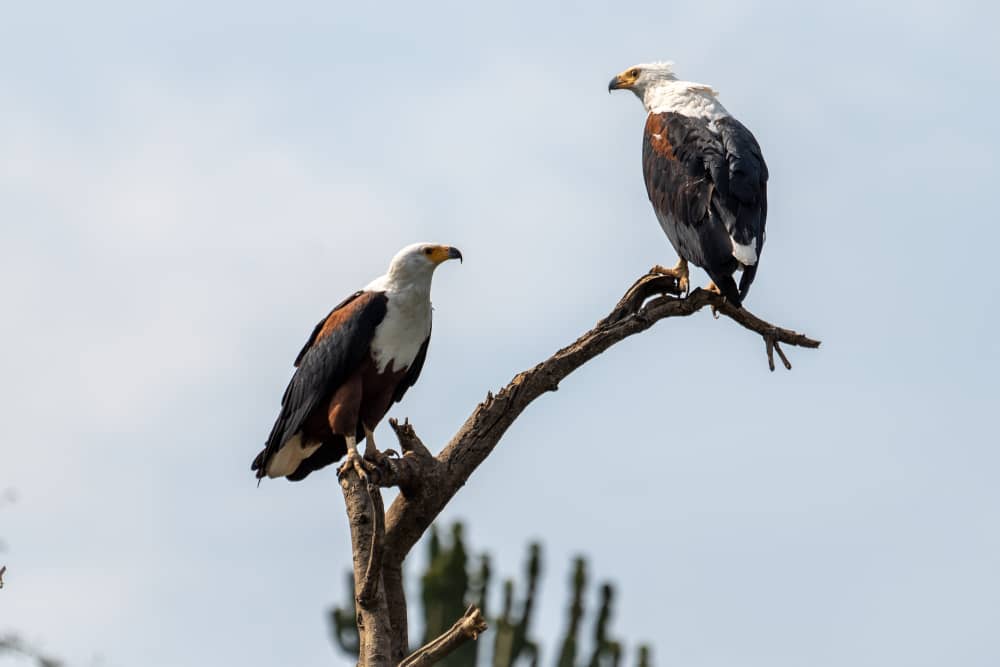
The area teems with wildlife hippos basking in the water, crocodiles patrolling the banks, antelopes grazing, and troops of monkeys and baboons calling from nearby trees. Birdlife is abundant, painting the lake edges with constant movement and color.
Nearby, Ruzizi Tented Lodge provides an intimate, eco-friendly base built under a canopy of trees and connected by raised wooden walkways. Staff are known for their warm, attentive hospitality, offering smooth check-in, activity briefings, and easy conversation that makes the lodge feel personal and welcoming.
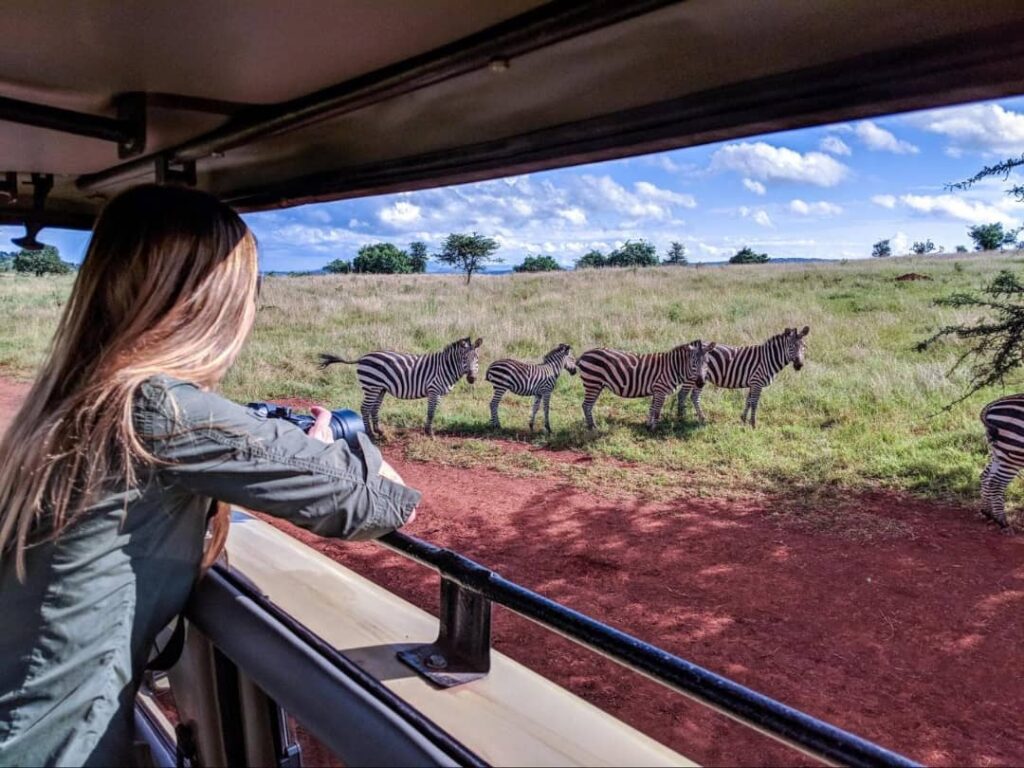
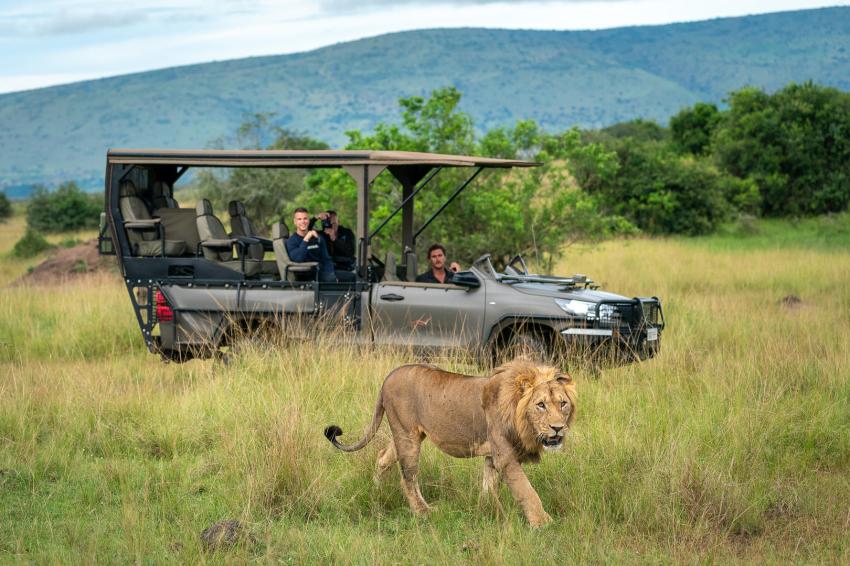
Days in the south typically revolve around guided game drives, birdwatching, and the signature Lake Ihema boat ride, where elephants often emerge at sunset to drink and hippos surface with their familiar grunts. Visitors can also join behind-the-scenes conservation tours, learning about anti-poaching dog units and the systems used to protect wildlife.
Into the northern plains
As visitors travel north, the scenery opens dramatically into the vast Kirara Plains, home to Karenge Bush Camp—a seasonal, low-impact camp that offers a rustic wilderness experience with bucket showers, outdoor bathrooms, and solar power.
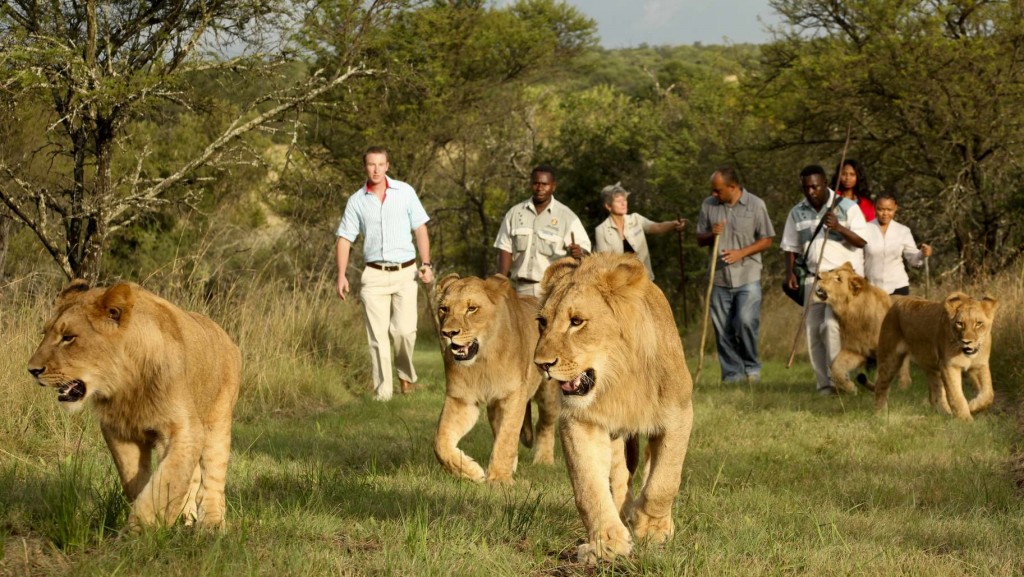
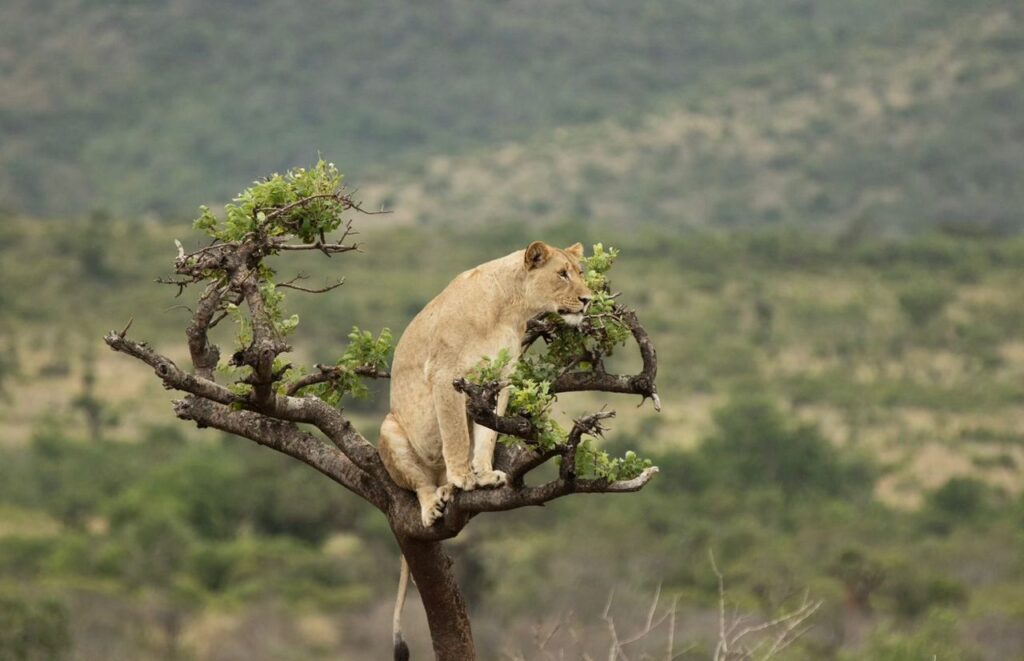
The northern plains support some of Akagera’s most iconic species, including lions, rhinos, hyenas, leopards, buffalos, giraffes, zebras, and a range of antelope species. Night drives provide a rare look at nocturnal wildlife and the untouched quiet of the savannah under starlit skies.
Connecting conservation and community
Beyond its wildlife, Akagera is deeply shaped by the people living around it. A visit to the Akagera Community Center introduces guests to conservation education programs, beekeeping initiatives, and a crafts shop showcasing locally made products.
These community projects form an essential part of the park’s model, ensuring residents benefit from tourism and actively participate in protecting the landscape.
A turnaround built on partnership
Since African Parks assumed management in 2010, Akagera has undergone a dramatic transformation from a landscape heavily affected by poaching to one of East Africa’s strongest examples of collaborative conservation. Restored species, strengthened protection, and community engagement have reshaped the park into a thriving ecosystem.
Today, Akagera stands as a place where wildlife recovery, local involvement, and warm Rwandan hospitality meet—offering travelers one of the most compelling nature experiences in the region.