On April 15, 1994, some of the most brutal and coordinated massacres of the Genocide against the Tutsi unfolded across the country, with thousands of victims killed in places they had sought refuge, including churches, schools, and administrative centres.
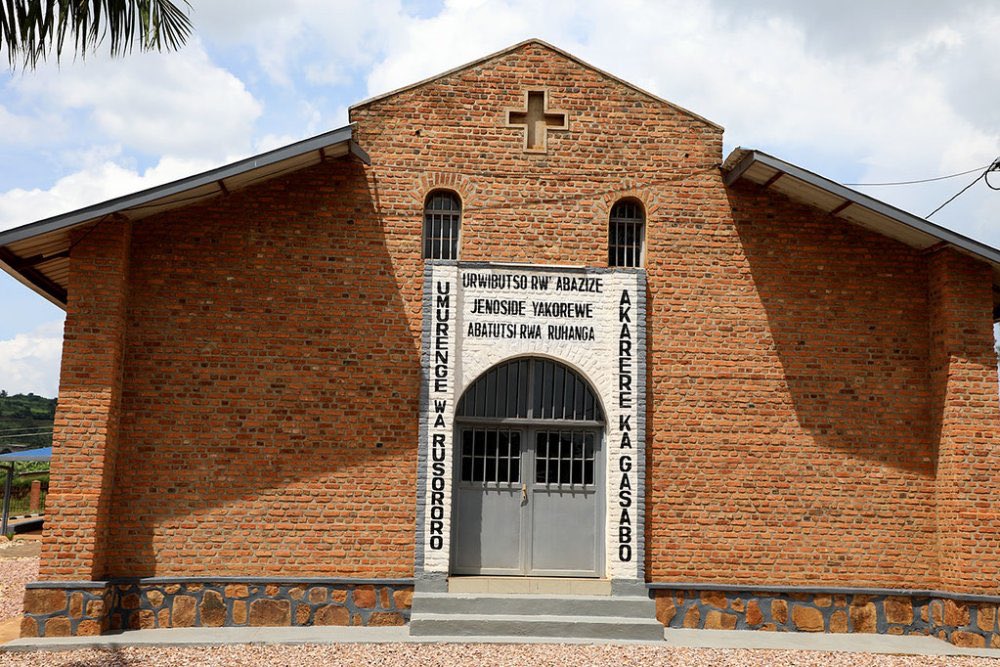
At EAR Ruhanga, in the former Gikoro Commune, more than 15,000 Tutsi who had fled their homes in search of safety were systematically killed. Accounts from survivors and historical records indicate that the attack involved Interahamwe militia, soldiers, and gendarmes, highlighting the organized nature of the killings.
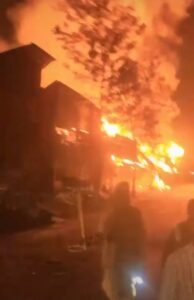
Tutsi who had initially resisted using rudimentary weapons such as bows, arrows, and stones were eventually overpowered. Attackers used firearms and grenades before finishing off victims with traditional weapons. Those who had been sheltered inside the church were later burned alive when the building was set on fire, leaving very few survivors.
The massacre at EAR Ruhanga reflects similar atrocities carried out on the same date across Rwanda, pointing to a pattern of coordinated extermination.
In Musanze, then part of Ruhengeri Prefecture, more than 400 Tutsi who had been deceived with promises of evacuation were instead transported and killed at the former Court of Appeal premises. Many who attempted to escape were tracked down and killed along the way.
In Nyange, in the former Kivumu Commune, thousands of Tutsi who had taken refuge in a Catholic church were killed after the building was deliberately brought down using a bulldozer, following a plan involving local authorities and extremist leaders.
In Ntarama, Bugesera, about 3,000 Tutsi were killed at a church where they had gathered for protection. The attack involved militia and soldiers who used guns, grenades, and machetes.
Mass killings were also recorded in Cyahinda in Nyaruguru, where tens of thousands of Tutsi were killed at a parish between April 14 and 15, as well as in Nyabikenke, Gihara, Gasetsa, and other parts of the country where victims were rounded up and executed.
Across these locations, a consistent pattern emerges. Victims were often lured into what were presented as safe havens, only to be trapped and killed in coordinated attacks involving local leaders, militia groups, and security forces.
Historians and genocide scholars note that these massacres were not spontaneous acts of violence, but part of a long-prepared plan rooted in extremist ideology and implemented through state structures and local networks.
Today, many of these sites, including EAR Ruhanga, have been preserved as genocide memorials, serving as places of remembrance and reflection.
As Rwanda continues to commemorate the victims of the 1994 Genocide against the Tutsi, April 15 stands as a stark reminder of the scale, coordination, and brutality that marked one of the darkest chapters in the country’s history.