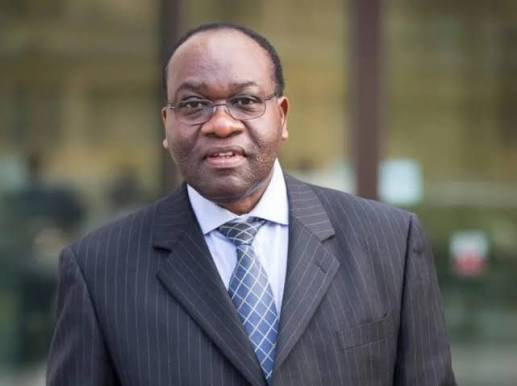
Dr. Vincent Bajinya, also known as Vincent Brown, is set to face prosecution in the United Kingdom over alleged crimes linked to the 1994 Genocide against the Tutsi in Rwanda.
The UK’s Crown Prosecution Service (CPS) has decided to bring charges against Bajinya, who is accused of genocide and crimes against humanity, including inciting others to commit murder and acts of genocide.
Frank Ferguson, head of the CPS division responsible for serious crimes and terrorism, said the decision followed a review of evidence gathered by the War Crimes Team.
Ferguson said the CPS had determined that the legal test for bringing a prosecution had been met, stressing that the decision was based on evidence and the law.
Dr. Bajinya is scheduled to appear before Westminster Magistrates’ Court on September 22, 2026.
He is one of five Rwandans living in the United Kingdom who are wanted by Rwandan authorities over their alleged involvement in the Genocide against the Tutsi. The others are Emmanuel Nteziryayo, Charles Munyaneza, Célestin Ugirashebuja and Célestin Mutabaruka.
The CPS decision marks a significant development, as it is the first time UK prosecutors have brought a domestic case involving crimes linked to the Genocide against the Tutsi in Rwanda.
Dr. Bajinya arrived in the United Kingdom in 1999 after fleeing to Kenya. In 2004, he changed his name to Vincent Brown before obtaining British citizenship.
In 2008, a UK court ordered that he and his associates be extradited to Rwanda to stand trial. The decision was overturned by the Court of Appeal in 2009.
In 2015, a UK court ruled that they should not be extradited to Rwanda, a decision upheld by the Supreme Court in 2017.
In 2018, Rwanda’s prosecution authorities asked the United Kingdom to investigate the individuals so they could face justice in British courts if they could not be extradited to Rwanda.
Dr. Bajinya was born on February 28, 1961, in Kigombe Cell, former Karago Commune in Gisenyi Prefecture, an area now located in Nyabihu District.
He studied medicine at the National University of Rwanda (UNR) in Butare. The article states that his family background and ethnicity gave him opportunities to pursue his education.
In September 1984, he was selected to undertake training in family planning at the Université Libre de Bruxelles (ULB) in Belgium. He also pursued studies in Canada on a scholarship.
After obtaining his medical degree, Dr. Bajinya worked as a physician at King Faisal Hospital in Kigali and at the National Office of Population (ONAPO).
He was reportedly a close friend of Gaudence Nyirasafari, a member of the ruling MRND party. Nyirasafari was also a friend of former President Juvénal Habyarimana and served as head of ONAPO.
Dr. Bajinya has been described as a member of the inner circle surrounding Habyarimana’s government and his wife, Agathe Kanziga, known as the Akazu. He was also reportedly a strong supporter of the MRND, although he was linked to the extremist CDR party toward the end of 1993.
He has been accused of gathering and directing Interahamwe militia members at roadblocks in the area where he lived in Kigali’s former Rugenge District and near Kibihekane School in Gisenyi during the Genocide against the Tutsi.