The family of Queen Rosalie Gicanda, who was killed during the 1994 Genocide against the Tutsi, has called on the Minister of National Unity and Civic Engagement, Dr. Jean Damascène Bizimana, to document her life story in a book to preserve her legacy for future generations and support historical education.
The appeal was made during the commemoration of Queen Gicanda held on April 20, 2026.
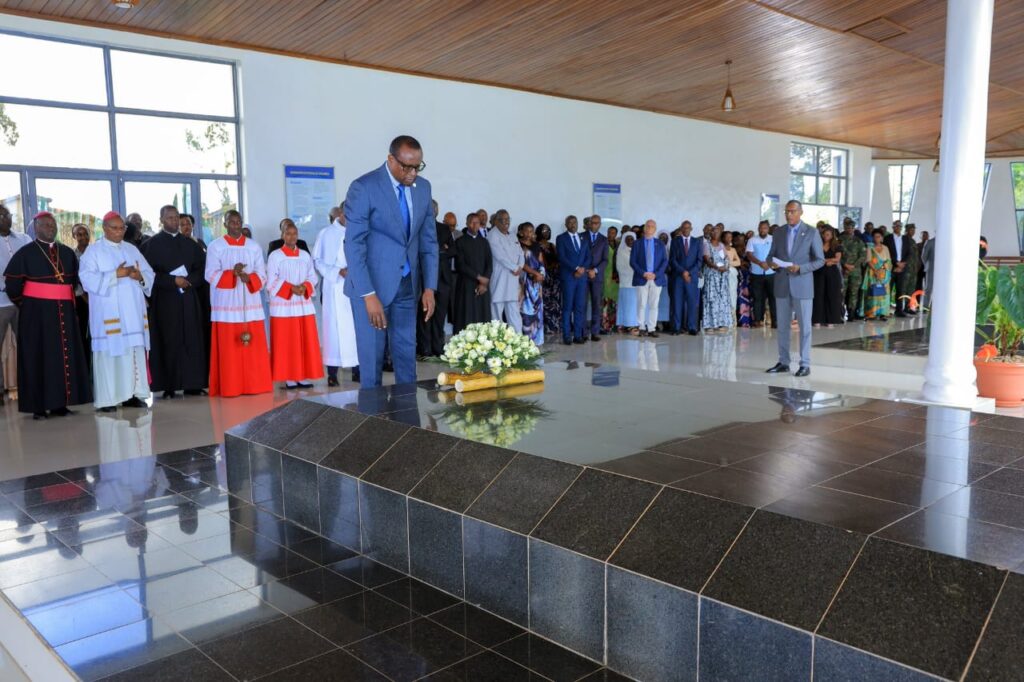
The ceremony began with a requiem mass at Mater Dei School, after which participants proceeded to the Kings’ Memorial site, where Queen Gicanda is buried, to lay wreaths. The commemoration later continued at the Royal Palace in Rukari.
Dr. Bizimana delivered a presentation on the history of the 1994 Genocide against the Tutsi, detailing how hate ideology was constructed and how the genocide was planned and executed.
At the end of his remarks, a representative of the Gicanda family praised his deep understanding of Rwanda’s history and urged him to compile a dedicated book on the Queen’s life and legacy that could also serve as a teaching resource.
“Honourable Minister, these histories should be documented in a book so that teachers can use it to educate students and ensure they understand it,” the family representative said.
The family also highlighted Queen Gicanda’s compassion, noting that even after her removal from the Royal Court in Nyanza and relocation to Butare, she maintained close and respectful relations with people from different communities, including members of the Hutu population.
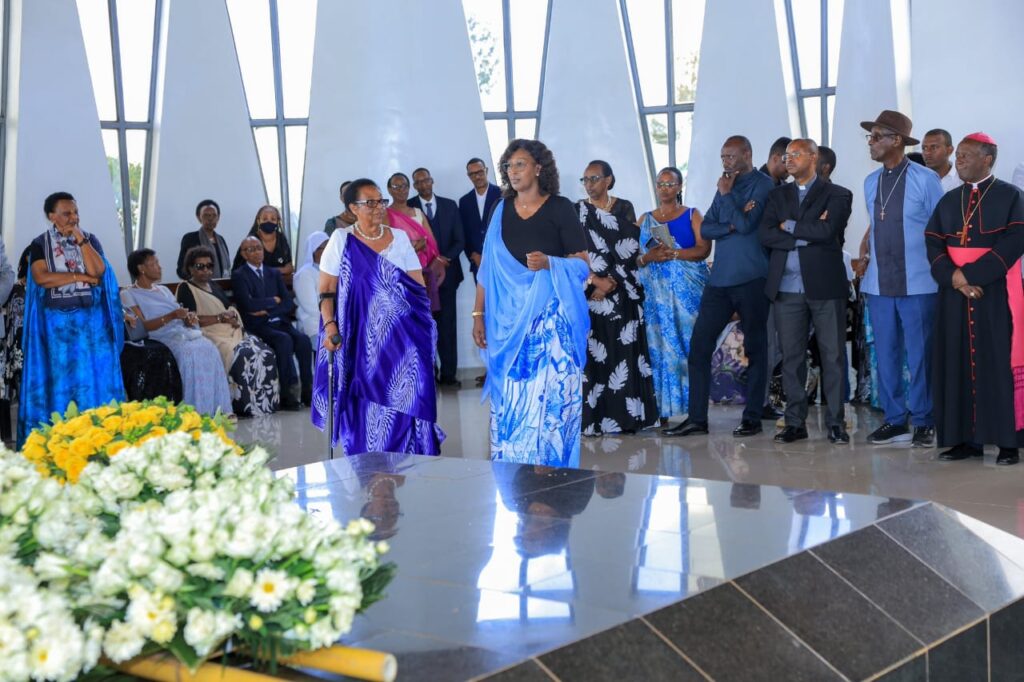
Cultural leaders and officials described Queen Gicanda as a figure of dignity, humanity, and national heritage.
Ambassador Robert Masozera, Chairperson of the Institute of National Museums and Cultural Heritage, said efforts will continue to preserve her legacy and pass it on to younger generations.
“The Institute of National Culture will continue to safeguard the history of Queen Rosalie Gicanda and ensure it is transmitted to the youth,” he said.
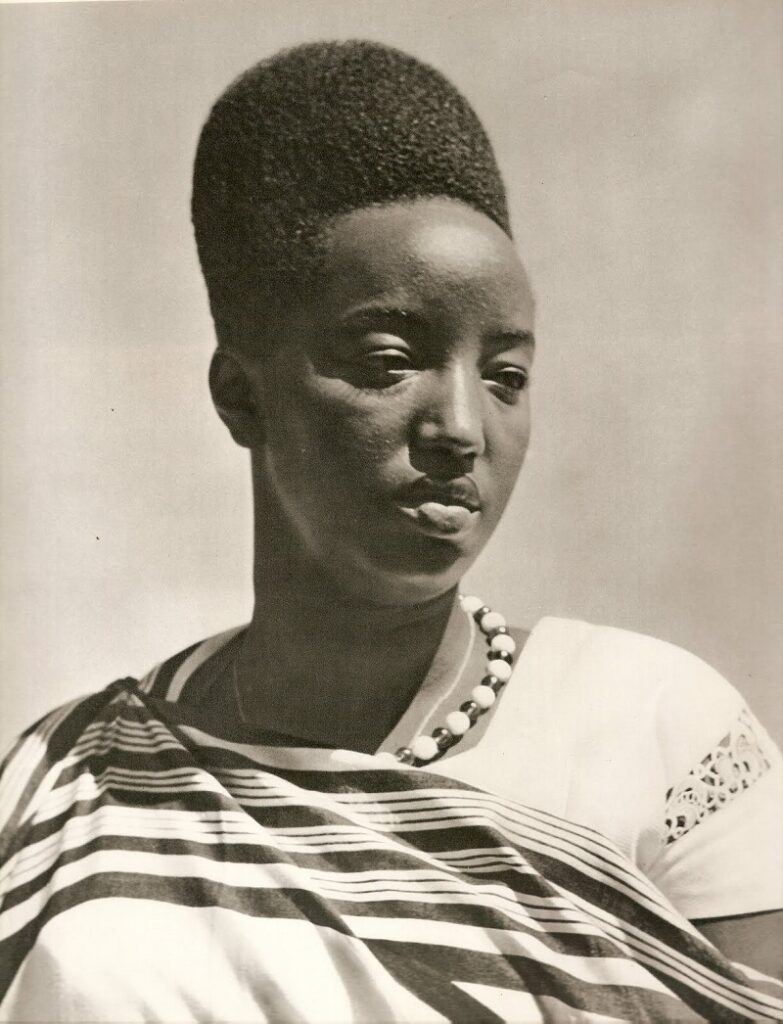
Queen Gicanda, born in 1928, was the wife of King Mutara III Rudahigwa and served as Queen of Rwanda until 1959. She was killed in Butare during the 1994 Genocide against the Tutsi.
Her burial site at the Kings’ Memorial remains a place of annual remembrance every April 20.