On November 16, 2026, Rwanda, Germany, Austria, Greece, Denmark and the Netherlands announced a partnership to establish a facility in Rwanda for people who no longer have the right to remain in those European countries but cannot be returned to their countries of origin.
The agreement between Rwanda and the five European countries could open up new opportunities for the country in areas such as economic growth, investment, skills development and international relations.
The initiative, known as the Return Hub, is expected to begin implementation in early 2027, with the first phase designed to accommodate approximately 100 people at a time. Those transferred to Rwanda will be individuals who have exhausted all legal avenues to challenge decisions requiring them to leave the European countries.
Rwanda’s Minister of Internal Security, Dr Vincent Biruta, said the country was not seeking financial gain from hosting the migrants but wanted to contribute to finding a lasting solution to the global migration crisis.
He explained that funding provided by the European countries would cover the relocation, accommodation, training and integration of the migrants. Those who choose to settle in Rwanda will receive skills training and support in finding employment, while those wishing to return to their countries of origin will be assisted to do so.
However, the potential benefits of the partnership go beyond the financial support allocated to the programme.
1. Strengthening relations with major European economies
One expected benefit is the potential to deepen Rwanda’s cooperation with the five European countries, creating a foundation for expanding partnerships into other sectors that support national development.
Germany, the Netherlands, Austria, Denmark and Greece are all members of the European Union and have substantial economic resources and investment capacity.
Beyond the migration arrangement, the joint announcement indicates that the partnership is also intended to promote cooperation in other areas of mutual interest.
This could create opportunities for further engagement in trade, investment, technology, education, healthcare, energy and other development sectors.
The European Union already works with Rwanda to promote economic growth, attract investment and advance sustainable agriculture, technology, healthcare and education.
The new partnership with the five countries could therefore provide an opportunity to strengthen relations based on shared interests and explore additional areas of cooperation.
2. Skills development and training opportunities
Another potential benefit is the development of skills and human capacity among people in Rwanda, including the migrants themselves and Rwandans who will participate in supporting their integration.
Minister Biruta said those who choose to remain in Rwanda will receive training in skills relevant to the labour market and assistance in finding employment.
This could increase the availability of workers with new skills in different sectors, potentially contributing to economic activities and national development.
The programme could also create opportunities for Rwandans involved in training the migrants, including teaching languages, digital skills, vocational trades, entrepreneurship and financial management.
Rwanda already has experience in providing skills training to migrants to prepare them for independent living and integration into society.
The United Nations High Commissioner for Refugees (UNHCR) has reported that migrants hosted at the Emergency Transit Mechanism centre in Gashora, Bugesera District, after being evacuated from Libya, received training in computer literacy, languages, driving, barbering, hairdressing and financial management.
This experience could help Rwanda develop quality training programmes while strengthening skills that are relevant to the labour market.
3. Job creation and growth in local economies
Hosting migrants and supporting their integration into society could create new employment and business opportunities for Rwandans, particularly those living in areas where the facilities will operate.
This is because accommodation, food supplies, healthcare, education, transport and other essential services will require workers and businesses to provide them.
Traders could benefit from new markets for everyday goods and supplies, while service providers could gain additional customers.
If integration programmes are implemented in partnership with local communities and Rwandan businesses, funding provided by European countries could also circulate within the domestic economy.
For example, construction companies, transport operators, farmers, food suppliers, healthcare providers and other businesses could secure contracts to meet the needs of the programme.
This could make the initiative beneficial not only to the migrants but also to communities in the areas where it operates.
Minister Biruta also emphasised that employment initiatives developed for migrants would create opportunities for Rwandans as well.
4. Expanding Rwanda’s experience in migration management
Rwanda has worked with international organisations for several years to receive and support refugees and migrants from different parts of the world.
Since 2019, the country has operated a programme to receive migrants and refugees facing difficult circumstances in Libya, in partnership with UNHCR and the African Union (AU).
Known as the Emergency Transit Mechanism (ETM), the programme is based in Gashora and provides protection, assistance and pathways towards lasting solutions for people fleeing various challenges in Libya.
According to UNHCR, by April 2025, more than 2,100 refugees and migrants who had passed through the programme had been relocated to other countries, including Canada, Sweden, Norway, Finland, France, Belgium, Germany, the Netherlands and the United States.
Being selected again by five European countries to host migrants could further strengthen Rwanda’s experience in migration management, supporting people in finding durable solutions and working with international organisations.
This experience could also position Rwanda as a partner increasingly involved in international discussions on migration management and solutions to displacement challenges.
5. Strengthening Rwanda’s voice in international discussions
Another potential benefit is an expanded role for Rwanda in international discussions addressing global challenges.
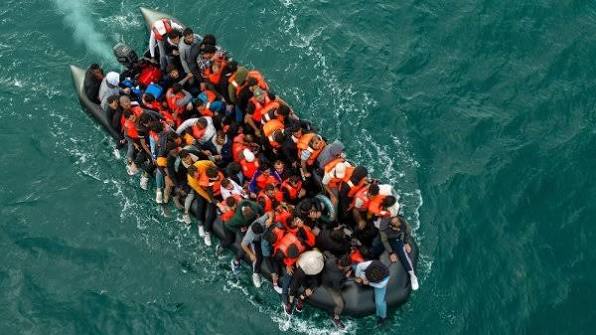
Migration remains a major concern for European countries, particularly as they seek to manage the arrival of people attempting to settle on the continent through irregular routes.
The partnership with the five European countries could give Rwanda greater opportunities to participate in discussions on migration management, migrants’ rights and how countries can share responsibility for addressing migration challenges.
It could also help Rwanda expand cooperation with other countries and international organisations, particularly in areas related to peace, security, development and cross-border challenges.
Opportunities to attract further investment and cooperation
Rwanda already maintains partnerships with the European Union in sectors including agriculture, energy, transport, technology, healthcare and education.
These efforts are reflected in the EU’s Global Gateway strategy, which seeks to support infrastructure investment and promote economic development in partner countries.
According to the European External Action Service (EEAS), existing cooperation with Rwanda aims to expand trade and investment between the country and Europe while supporting sustainable national development.
If successfully implemented, the new migration partnership could strengthen cooperation between Rwanda and the five European countries, potentially creating further opportunities for investment and joint development projects.