The Ministry of Agriculture and Animal Resources (MINAGRI) has launched a new initiative, the Biological Control Agents Project (BIO-CAP), aimed at helping farmers combat pests and diseases affecting major crops, particularly potatoes and cassava.
The project was officially launched on Monday, 15 December 2025, through a partnership between MINAGRI and key stakeholders in the agricultural sector.
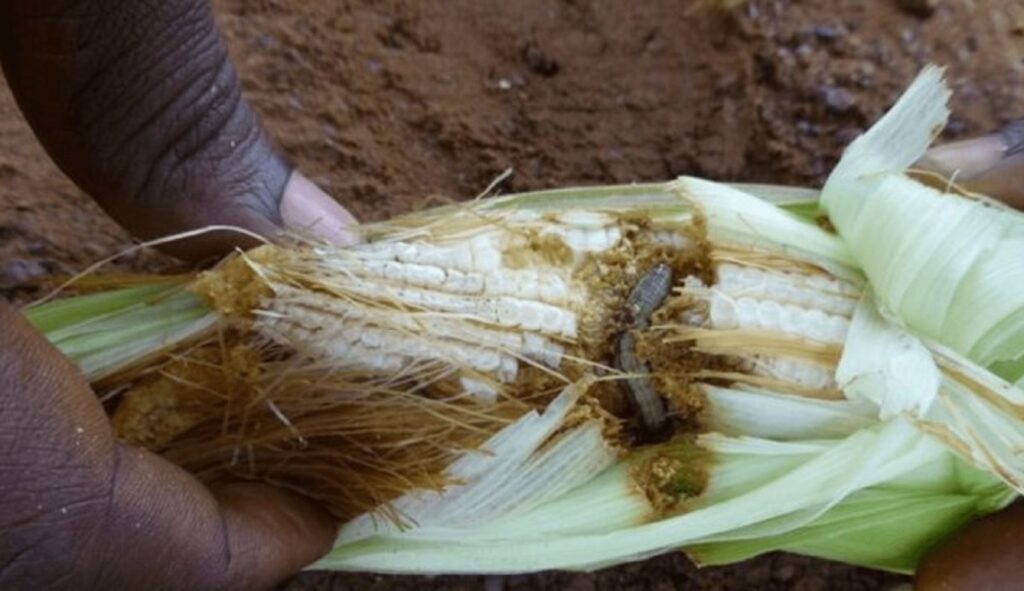
According to MINAGRI, the initiative forms part of broader efforts to address crop-destroying pests and diseases that have caused significant losses for farmers nationwide.
The Minister of State in charge of Agriculture, Dr. Solange Uwituze, said BIO-CAP focuses on introducing modern technologies to control pests and diseases that have long undermined agricultural productivity. She noted that the project is expected to support farmers in achieving stable and sustainable yields.
“For example, potato farming has been severely affected by aggressive pests that require frequent pesticide use,” she said. “We are now exploring innovative approaches, including the introduction of pest-resistant varieties.”
Dr. Uwituze added that banana crops continue to be affected by diseases such as banana wilt, while potatoes also suffer from multiple plant diseases that have devastated harvests over the years.
The project’s Director General, Simon Heck, said BIO-CAP will also support farmers to professionalize their operations through training and technical advisory services, with the goal of increasing productivity and reducing post-harvest losses.
He noted that the project will bring together all key actors in the agricultural sector, including researchers and development partners.
“BIO-CAP will primarily support farmers growing potatoes, cassava, and bananas, enabling them to achieve better yields while effectively managing crop diseases,” Heck said.
In addition, BIO-CAP will strengthen the capacity of Rwandan agricultural researchers through specialized training, enabling them to play a more active role in preventing plant diseases. Some researchers will receive advanced training abroad, including in the United States.
One of the project’s key objectives is to support the fifth Strategic Plan for Agriculture Transformation (PSTA 5).
Under this framework, more than 100,000 hectares of land will be cultivated using climate- and soil-friendly methods, while over 127,000 farmers organized in 425 cooperatives nationwide will be supported to access markets and improve post-harvest handling and preservation.