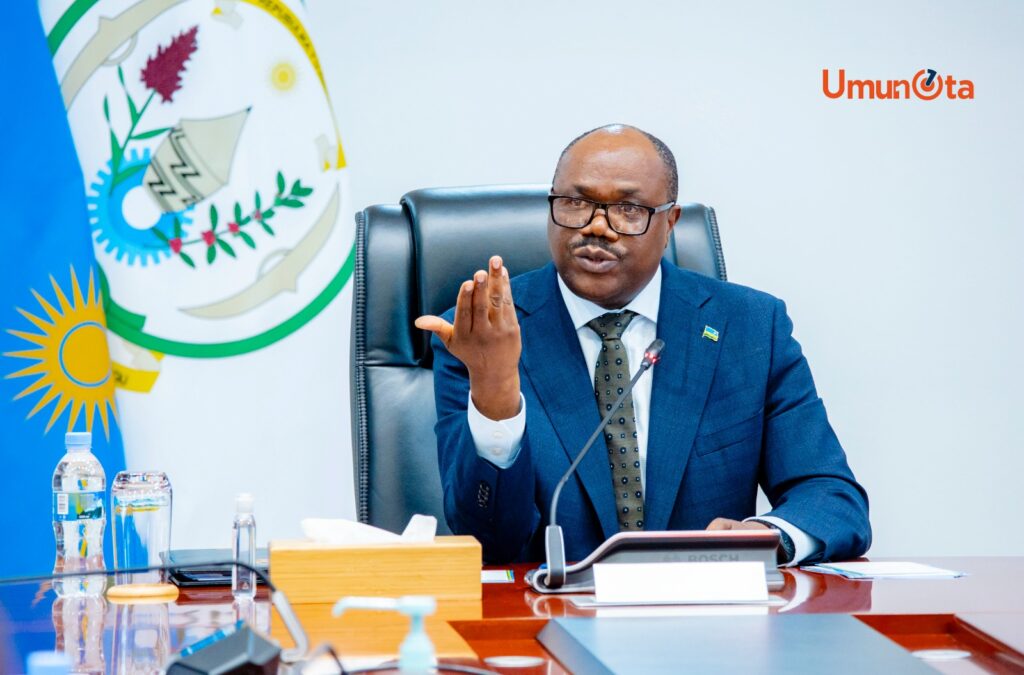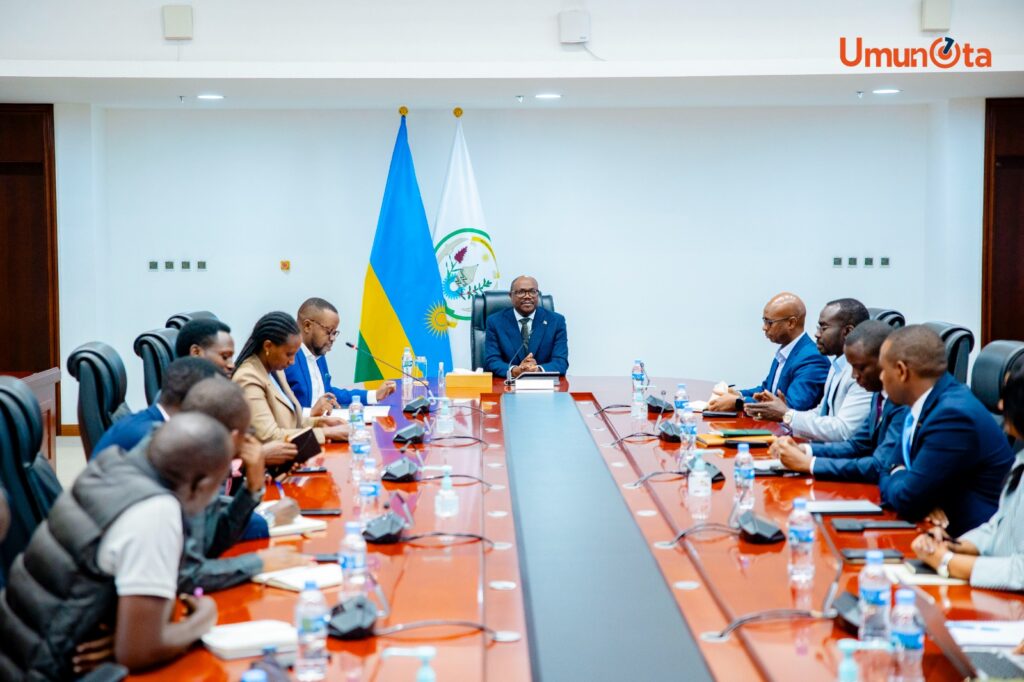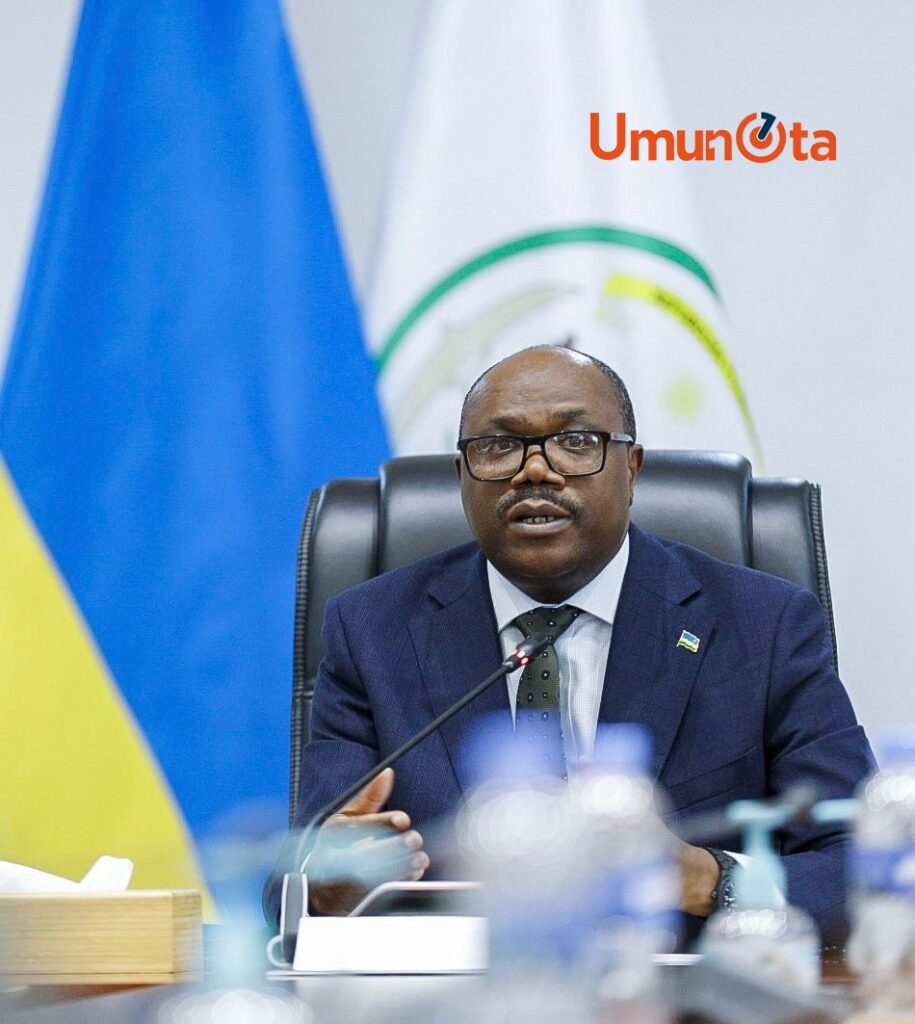
Prime Minister Dr. Justin Nsengiyumva has cautioned that Rwanda is bracing for a rise in commodity prices, driven by escalating tensions in the Middle East, and called on citizens to adopt strict fuel-saving measures.
Addressing the media on Friday during a briefing on the country’s economic outlook, Nsengiyumva said the ongoing conflict involving Iran, the United States, and Israel has already triggered a spike in global energy and transport costs, with oil prices jumping from about $70 to nearly $100 per barrel.
He warned that Rwanda will not be spared from these pressures, noting that local importers may find it increasingly difficult to restock if domestic prices remain lower than those on the international market.
“The current global pricing makes it unsustainable to maintain existing local prices,” he indicated, pointing to growing strain on supply chains.
The Prime Minister revealed that the government has, over the past month, been subsidizing fuel to cushion consumers from sharp price increases, but stressed that such interventions cannot be sustained indefinitely due to their heavy fiscal burden.
To ease the impact, he urged Rwandans to cut down on unnecessary travel, use available fuel more efficiently, and shift towards public transport options, including electric buses.
Nsengiyumva also flagged potential disruptions in international trade, particularly as some routes that previously passed through the United Arab Emirates have been affected. He used the moment to rally support for locally produced goods, encouraging citizens to prioritize “Made in Rwanda” products and scale up domestic production, especially in agriculture and livestock.
While acknowledging that price increases may be inevitable, he warned traders against taking advantage of the situation to impose arbitrary hikes.
He reaffirmed the government’s commitment to closely monitor market trends and intervene where necessary to prevent excessive inflation and safeguard household purchasing power.