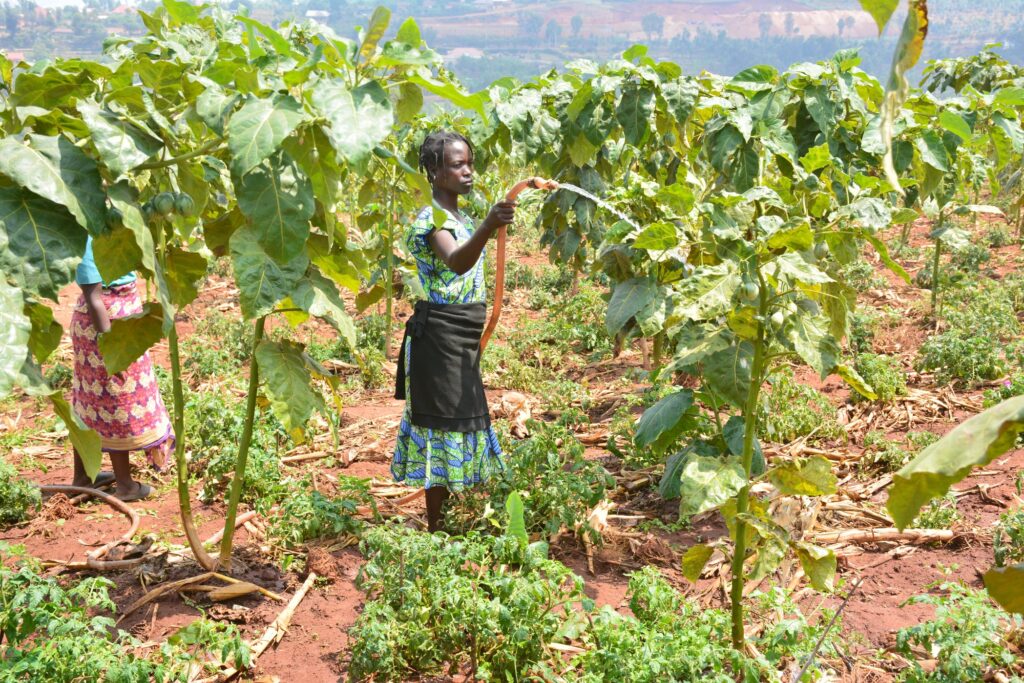
Young entrepreneurs in Rwanda’s rural areas say the high cost of equipment and limited access to finance are making it difficult to increase production and expand their businesses.
The challenges were highlighted at the annual Rural Youth Entrepreneurship Forum organised by Catholic Relief Services (CRS), which has worked with young people in Rwanda for 16 years.
Some participants said the cost of equipment has limited their production capacity and made it difficult to meet the quality standards required in the market.
Others said their groups do not have enough capital to purchase the equipment needed to expand, leaving their businesses operating below their potential.
CRS says its Youth for Youth programme has reached more than 47,000 young people, the majority of them in rural areas.
The organisation says 70% of those supported have increased the capital invested in their businesses after receiving training in entrepreneurship, working with financial institutions and improving their products and services.
Under the Gera ku Ntego programme, 243 youth groups have saved more than Rwf130 million, while members of the groups have collectively lent each other more than Rwf100 million.
Government moves to improve access to finance
The government says it is working to expand financing opportunities for young entrepreneurs as part of efforts under the second National Strategy for Transformation (NST2) to promote job creation, private-sector development and youth economic empowerment.
For the 2026/27 financial year, Rwanda allocated more than Rwf3.01 trillion to public development and investment projects aimed at supporting economic growth and job creation.
The Ministry of Youth and Arts Development says young entrepreneurs can access financing through several initiatives, including programmes linked to the Development Bank of Rwanda (BRD), KATAZA and SACCOs.
Minister of Youth and Arts Development Utumatwishima Jean Nepo Abdallah said greater awareness of these programmes is needed because some young people are unaware of the financing opportunities available to them.
He said youth forums provide an opportunity to explain both the programmes and the requirements financial institutions set for borrowers.
“When many young people do not meet in forums like this, they may not know that these programmes exist,” Utumatwishima said.
He encouraged young entrepreneurs to develop a culture of saving, maintain bank accounts and participate in savings groups that work with financial institutions.
According to the minister, building a financial record can make it easier for banks to understand an entrepreneur’s activities when they apply for financing.
The ministry is also working with BRD to address one of the biggest barriers facing young borrowers: collateral.
“Our goal is to work with BRD so that when young people apply for loans, they are not required to provide collateral on their own. We want to guarantee 90% of the collateral so that they can access loans more easily,” he said.
Utumatwishima acknowledged that the initiative has not yet reached as many young people as intended, but said the government wants to make it easier for young entrepreneurs with viable business ideas to obtain financing.
“Leta ifite ubushake bwa politiki y’uko urubyiruko rwatangiriye igitekerezo, akikorera, aramutse agiye muri banki ajye abona amafaranga batamwatse ingwate kugira ngo akomeze yiteze imbere,” he said.
Rwanda created 1,374,214 jobs between 2017 and 2024, according to figures cited in the discussion, while the country’s target is to create 250,000 jobs each year.
For rural young entrepreneurs, however, the cost of equipment, access to affordable finance and the ability to meet market requirements remain key issues as they seek to grow their businesses.