Human rights organisations have called on authorities to expand the use of alternative justice mechanisms, including mediation, fines and other non-custodial measures, to address persistent overcrowding in Rwanda’s prisons.
The call was made on Thursday, January 15, 2026, during discussions between members of parliament and the parliamentary committee on national unity, human rights and the fight against genocide, as the committee presented its 2024–2025 activity report.
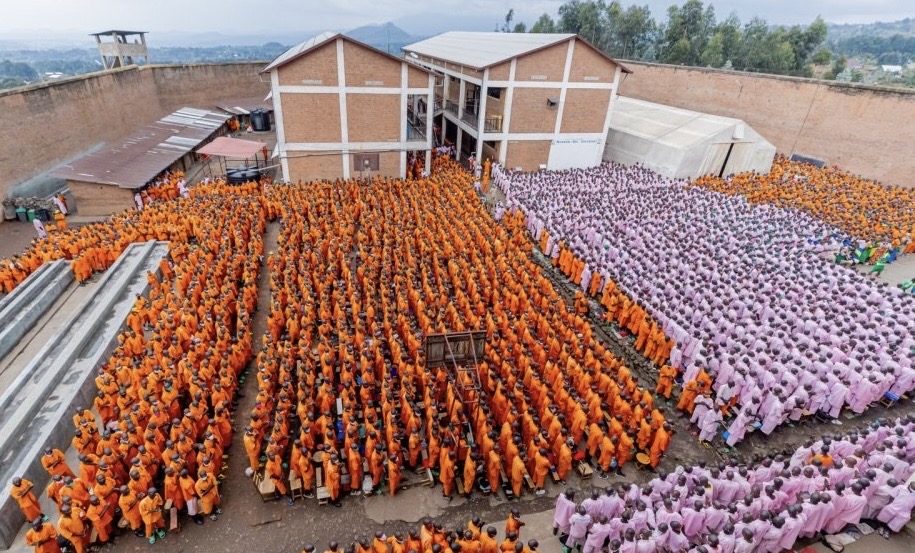
According to the report, prison overcrowding declined by 24.3 per cent in the 2024–2025 period. A survey conducted in 14 prisons nationwide shows that occupancy levels fell to 110 per cent in 2024–2025, down from 134.3 per cent in 2023–2024.
Figures provided by the Rwanda Correctional Service as of August 31, 2025, indicate that the country’s prisons have a combined capacity of 68,933 inmates but were holding 71,561 detainees, equivalent to 103.8 per cent occupancy. This suggests congestion has eased, though it has not been eliminated.
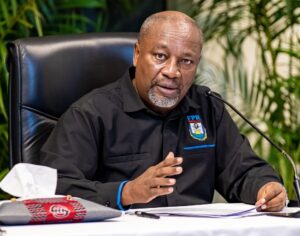
The chairperson of the parliamentary committee, Madine Ndangiza, said mediation programmes have significantly contributed to reducing the number of people sent to prison.
“There is a mediation mechanism at the investigation stage where the victim and the suspect are brought together, and where compensation is due, it is paid. This is an effective approach that reduces the number of people convicted and imprisoned,” she said.
Ndangiza added that plea bargaining before the prosecution has also helped decongest prisons, with more than 11,000 people released or given reduced sentences after admitting guilt.
“There is also a positive practice of admitting guilt before the prosecution, and it has delivered results,” she said.
Despite these gains, lawmakers and civil society organisations agreed that the figures still highlight challenges within the justice system that require further action, particularly by institutions involved in the administration of justice.
Theogene Twiringiyimana, a lawyer with the legal aid forum, told MPs that delays at the prosecution stage continue to fuel overcrowding, as some suspects remain in detention while their case files have not yet been submitted to court.
“We still encounter people in detention whose cases have not been taken to court,” he said.
Evariste Murwanashyaka, coordinator of the rwandan human rights defenders coalition (CLADHO), criticised what he described as the overuse of detention, despite the existence of alternative penalties under criminal law.
“You may find someone asked to post bail of RWF 100 million for an offence valued at less than RWF 500,000, and bail is denied. Our system still prioritises punishment over alternative measures,” he said.
Statistics from the judiciary show that during the 2024–2025 judicial year, courts handled 182,527 cases, of which 109,192 were concluded. These included 92,880 cases decided on the merits and 16,312 related to provisional detention and release.
A further 15,012 cases were resolved through alternative dispute resolution mechanisms outside the courts. By the end of the judicial year, 58,323 cases remained pending, including 26,862 classified as backlog cases.
Human rights groups say the data reinforces the need to strengthen mediation, plea bargaining and non-custodial sentencing to sustainably reduce prison overcrowding and improve access to justice.