Pastor Antoine Rutayisire of the Anglican Church has shared a moving account of how his father was killed during the persecution of Tutsi before the 1994 Genocide, yet the family only learned of his death years later.
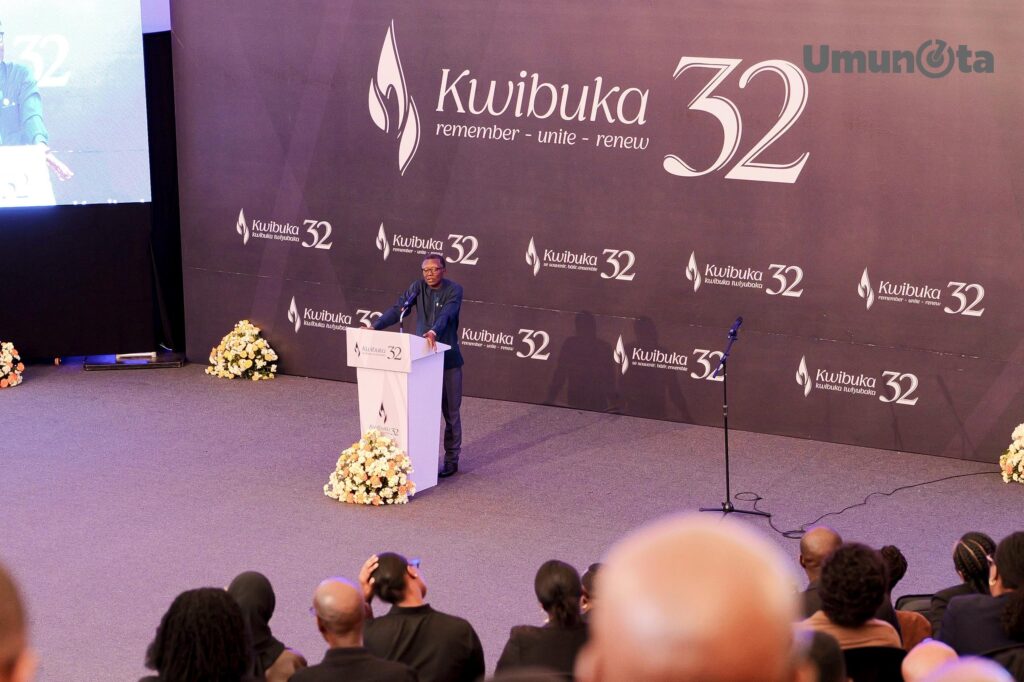
He gave the testimony during the Ministry of Education’s commemoration of the 32nd anniversary of the Genocide against the Tutsi, under a session reflecting on “Education and Division.”
Rutayisire recounted that his father, Karasira Petero Karaveri, was first attacked in 1961 during widespread violence against Tutsi, when their family was beaten, their home destroyed, and property looted.
“That was the first time I saw a club with nails in it,” he said, recalling the brutality.
Although his father survived the initial attack, he was later killed in 1963—unknown to the family at the time.
“They killed him in 1963, but we didn’t know,” Rutayisire said.
He explained that in his home area of Buganza, in what is now Gatsibo District, killings at the time largely targeted men, while women and children were less frequently attacked.
As a trader who often traveled to Uganda by bicycle to purchase goods, Rutayisire’s father’s absence did not immediately raise alarm.
“I thought he had gone on a business trip. 1963 passed, then 1964, and I kept wondering why he hadn’t returned,” he said.
It was not until 1965, when Rutayisire went with his mother to enroll in primary school, that the truth began to emerge. During registration, his mother was asked whether the child’s father was alive.
“In a low voice, my mother said he had died,” he recalled.
The revelation left him with unanswered questions—when his father died, how he was killed, and where he was buried, but he said he lacked the courage to ask his mother.
“I began to cry. She thought I was afraid of school, but I wanted to ask her who killed my father, how he died, and where he was buried,” he said.
Rutayisire said his story reflects the deep trauma experienced by children who grew up in a Rwanda marked by systematic persecution and killings of Tutsi long before the 1994 Genocide.