Rwanda’s annual inflation rate reached 8.9% in January 2026, up from the same month last year, according to the National Institute of Statistics of Rwanda (NISR).
The latest Consumer Price Index (CPI) report shows that consumer prices also increased by 0.9% compared to December 2025, reflecting continued pressure on household spending at the start of the year.
Health services recorded the sharpest annual increase, surging by 71.1% compared to January 2025, although no additional rise was registered on a month-on-month basis.
Housing, water, electricity, gas and other fuels rose by 10.5% year-on-year and by 2% compared to December, making the sector one of the main contributors to the overall inflation rate.
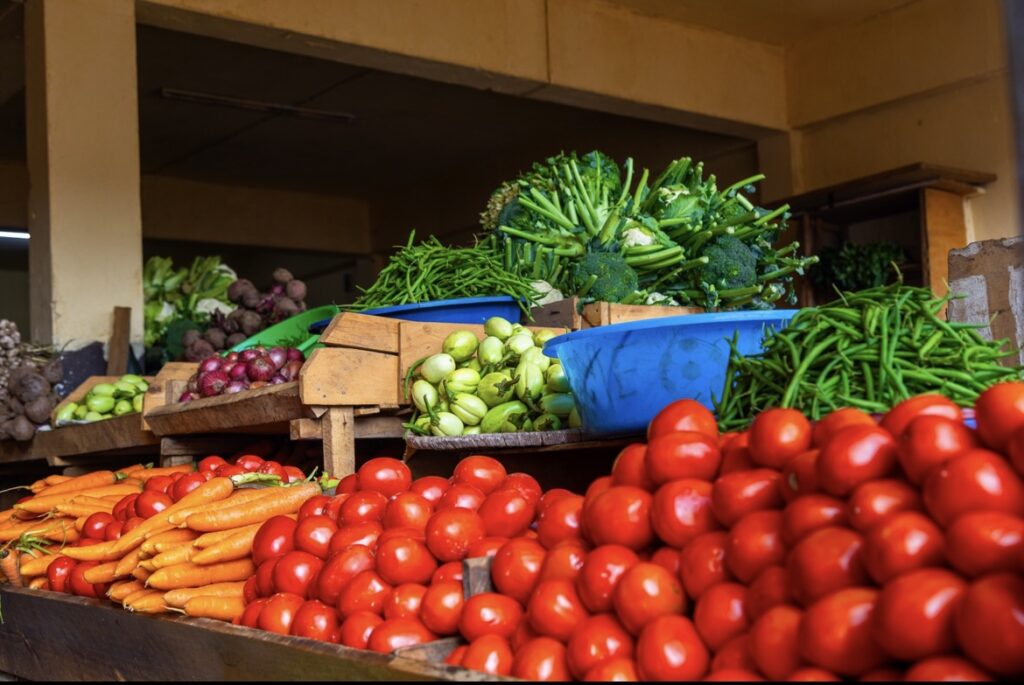
Food and non-alcoholic beverages — a key component of the consumer basket — increased by 6.3% compared to January 2025 and by 1.5% month-on-month.
Prices of alcoholic beverages, tobacco and narcotics climbed by 15.6% year-on-year but remained unchanged compared to December, indicating that most of the increase occurred earlier.
Transport costs rose by 8.6% over the year, while restaurants and hotels recorded a 19.2% annual increase, alongside a 5% rise compared to the previous month.
NISR data further indicate that prices of locally produced goods increased by 8.7% year-on-year and by 1.7% month-on-month. Imported goods rose by 9.6% annually and by 0.3% compared to December 2025.
Perishable goods, including vegetables and fruits, went up by 6.4% year-on-year and by 2.5% on a monthly basis.
The January figures point to sustained inflationary pressures across essential sectors, particularly health and housing, which played a leading role in pushing up the overall cost of living.